Whole House Fans

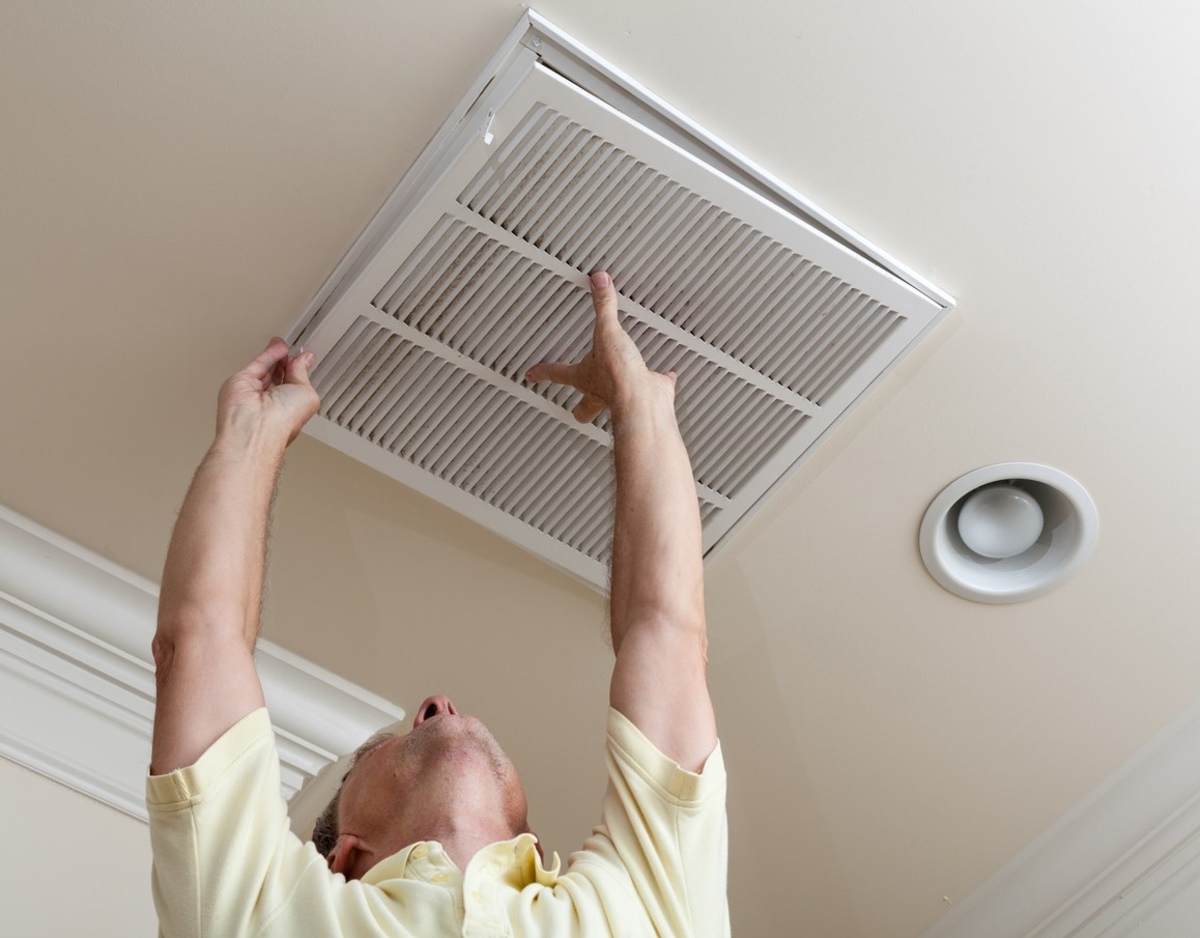
A whole house fan quickly pulls large amounts of fresh cool air from the outside through the house and pushes all the hot air out the attic in minutes. If the temperature outside drops from 85-degrees to 75-degrees in two hours, for example, the air in the house will take about four hours to drop that much.

This fan can do the job in less than half that time. Since it pushes air out the attic, it also cools the attic and reduces heat gain in the house. So by turning on your fan in the cool morning hours, you can bring in comfortable air, then close up the house and avoid the searing heat of summer. Turning it on again in the evening ensures all day comfort on all but the very hottest days.

The operating cost is about one-tenth that of air conditioning, according to Consumer Research. Using this type of fan instead of air conditioning continuously can cut your electricity usage by 80 percent. The fans typically draw 400 to 600 watts of electricity, operating for eight cents or less per hour, according to Consumer Reports magazine. Therefore, under the right circumstances a whole house fan can ventilate an entire house on the electricity an air conditioner would use to cool one room.

A whole house fan will allow you to run your air conditioner far less often during the day. It is the same principle as getting into a hot automobile: It is much more efficient to open the windows during the first few minutes of driving to push the hot air out than it is to turn on the air conditioner to cool all that hot air.

With a whole house fan, you can cool the house with fresh outside air in the early morning, turn on the air conditioning later in the morning to simply maintain that temperature, then shut if off in the evening once the outside temperature drops enough to turn the whole house fan on again. You will find this much more economical than running the air conditioner all day long.

NOISY? That depends on the type you use. Direct-drive fans, which mount the fan blades directly under the motor and are attached to the motor shaft, can be quite noisy. Belt-driven fans are much quieter. They also create higher air flows than direct-drive models, making them much better suited for medium to larger houses.

The quietest, most efficient whole house fan for bigger homes has six blades and spins at 300 to 500 rpm to make a purring sound no louder than the typical air conditioner fan.

SIZE? Fans range from 24 to 36 inches in diameter. You must tally the number of cubic feet of space, excluding closets, store rooms and the attic, to determine which size you need.


Buyer's Choice Home Inspection 1735 Audubon Trail Lutz, FL 33549
Phone: Fax:

Radon-Information | Staff-Profiles | Contact-Us | Roof Installation | During Roof Install | Tile Maintenance | Upgrading Electrical System | Water Heater Problems | Weatherstripping | Whole House Fans | Wood Rot | Home - Maintenance | Inspection Process | Roofs | Plumbing | Electrical | Fireplace Maintenance | Fireplaces | Dishwasher Problems | Kitchen and Baths | How Electricity Works | Inspection-Tour | Question | Power Outage | Florida Wind Map - Old | Appliance Tips | Carbon Monoxide FAQ | HUD News | CPSC News | Old House WEB | Money Pit | Do It Yourself | Hurricane Information | Storm Prediction Center | Tampa Bay Weather | Link to Us | Entrapment Hazards | Wiring Sizes | Child Safety Tips | For Agents & Brokers | Plumbing Materials | Hurricane Shields | Environmental-Issues | Compare Estimates | Mold | Mfg Homes | Repair Cost Guide | Resources | Lead | Pressure Treated Wood | Plumbing Fundamentals | Lightning Protection | Service Wires | Roof-Siding-Deck-Window | Custom Home Builder News | Home Construction News | Home Building News | Residential Architect News | FVIR Water Heaters | Prepare for Thunderstorms | Perils in Florida | Seller's Checklist | Safety Checklist | Wild Life Control | After the Inspection | Home Maintenance | Senior Safety Tips | Biological Pollutants | Inspection-Guide | Home Safety Tips | Drowning Prevention | Fences FAQ | Resources Links | Tips Inspecting Roof | Styles of Roofs | Roof Slope | Inside Roof Inspection | Outside Roof Inspection | Cool Metal Roof | Site-Directory | Occupational Safety News | Household & Consumer News | Tampa Bay News | JLC Online | Mr. Fix-It Tips | Spas, Hot-Tubs | Florida Wind Map - New | Wind Map - Hillsborough | Wind Map - Pinellas | Avoiding Wind Damage | FL Bldg Code Changes | Home Interiors | Lightning | Pre-purchase Checklist | Plumbing & HVAC News | Defects Defined | Dryer Vent Safety | Well & Septic Systems | Electric Terminology | Inspector Resources | Home Clinic | How Your House Works | Home Improvement | Finding Contractors | FPE Panels | GFCI Outlets | Rewire Old Homes | Surge Protection | Pool Sanitizers | Home Construction | Trusted Broker's Blog | Door Locks Basics | Dryrot Issues | Plumbing FAQ | Moving Tips | Septic Maintenance | Septic Problems | Roofing Terms | Attic Ventilation | Roof Concerns by Type | Hiring Contractors | Polybutylene | Environment | Roof Ventilation | Other States | Florida | Garage Door Safety | Tap Water Scalds | Building Topics | Thermal Windows | Thermostats | Garage Fire Safety | History of Building Codes | Home Emergencies | Home Lighting | Preventive Maintenance | Home Security | Child Proof Home | Chimney Maintenance | Clean Water Supply | Concrete Slab Maintenance | Deck Maintenance | Health & Safety | HVAC | Homeowner Resources | Technical Resources | New Construction Inspections | 1yr Warranty Inspection | 4-Point Insurance Inspection | Other Types Services | 7-Keys to Find Inspector | Ungrounded Outlets | Simpson Strong-Ties | Construction-Terms | Home Journal | Home Improvement Watch | Discovery Technology | Real Estate News | Electrical News | Construction News | We Are Independent | Roofing Basics | Hurricane | Flood | Thunderstorm | Water Heater Ages | Indoor Air Quality | Masonry Fireplaces | Mold FAQ | On Demand Water Heaters | Overloading Electrical Circuits | Plumbing Systems | Pool Heaters | House to Code? | Automatic Fire Sprinklers | Other Inspectors | ASHI Home Inspections - FAQ | Small Home Repairs | Solar Heating | 13 SEER Systems | Other Inspectors 2 | AC Maintenance Tips | Air Filters | Pool Safety | Energy Conservation | Child Safety | Electricity Basics | Energy Star Ratings | Prevent Mildew | Radon Testing & Removal | Rain Gutters | Reading Blue Prints | Remodeling Process | Efficency Ratings | Construction & Building News | Safety Barriers | Landscape and Gardening | Coastal Construction | This Old House | Construction.com | Ask The Builder | Build Your Own Home | Building News | Design & Construction | Housing Zone | Builder - Constructor | Homeowner Resource Site | Do It Yourself Project Videos | Home Improvement Tips | Client-Login | Home-Buyer-Checklist | Download Adobe Acrobat | Tell-a-Friend | Real-Estate-News | FAQ | Real-Estate-Terms | Home | Site Map | Mortgage Calculators | Our-Service-Area | Common Defects | Inspector-Services | Inspection-vs-Appraisal | Inspector-vs-Engineer | New-Home-Inspection | Purchase-Inspection | Septic-Inspection | The Home Inspection | Listing-Inspection | Request Info | Truss-uplift | Maintaining Wells | Mold-in-the-Home | Types-of-wells | Well Inspections | Our-Technology | How-to-prepare | Investment Homes | ASHI-Membership | ASHI-Code-of-Ethics | Choosing an Inspector | HVAC-Issues | Geo-Soils Report | Roofing-Issues | Hidden-Water-Damage | Plumbing-Issues | Termites and Other Pests | Asbestos-Information | Mfg-vs-ModularHomes

Copyright © 2008 Buyer's Choice Home Inspection
Portions Copyright © 2008 a la mode, inc.
Another XSite by a la mode, inc. | Terms of UseSite Map