

Articles
What Is A Power Surge Protector
Modified: January 22, 2024
Discover the importance of power surge protectors and how they can safeguard your electronics. Read our informative articles on power surge protection.
(Many of the links in this article redirect to a specific reviewed product. Your purchase of these products through affiliate links helps to generate commission for Storables.com, at no extra cost. Learn more)
Introduction
Welcome to the world of power surge protectors, where a small device can make a big difference in protecting your valuable electronics. In today’s digital age, we heavily rely on various electronic devices such as computers, televisions, smartphones, and home appliances. These devices are not only expensive investments but also store important data and memories that we cannot afford to lose.
Power surges are sudden and temporary increases in electrical voltage that can occur due to a variety of reasons, such as lightning strikes, faulty wiring, or power grid fluctuations. These surges can be extremely damaging to our electronic devices, leading to expensive repairs or replacements.
A power surge protector, also known as a surge suppressor or surge arrester, is a device designed to prevent or limit the voltage spikes from damaging our electronics. It acts as a shield, diverting excess electrical energy away from our devices and ensuring a safe and steady supply of power.
How does this small device accomplish such a crucial task? Let’s delve deeper into the working mechanism of a power surge protector.
Key Takeaways:
- Invest in a reliable power surge protector to safeguard your electronic devices from damaging voltage spikes, preserving data, and providing peace of mind. Proper usage and maintenance ensure optimal protection.
- Don’t fall for common misconceptions about surge protectors. Understand their limitations, choose quality over quantity, and prioritize proper usage and maintenance for long-term protection.
Read more: What Does Switched Mean On A Surge Protector
Definition of Power Surge Protector
A power surge protector is a device that safeguards our electronic appliances and devices from potential damage caused by sudden voltage spikes or power surges. These surges can occur due to lightning strikes, utility grid issues, or the switching on and off of high-powered electrical equipment.
The main purpose of a power surge protector is to regulate the flow of electricity and redirect excess voltage to a grounding wire or strip. By doing so, it prevents the excessive voltage from reaching our electronic devices and causing harm.
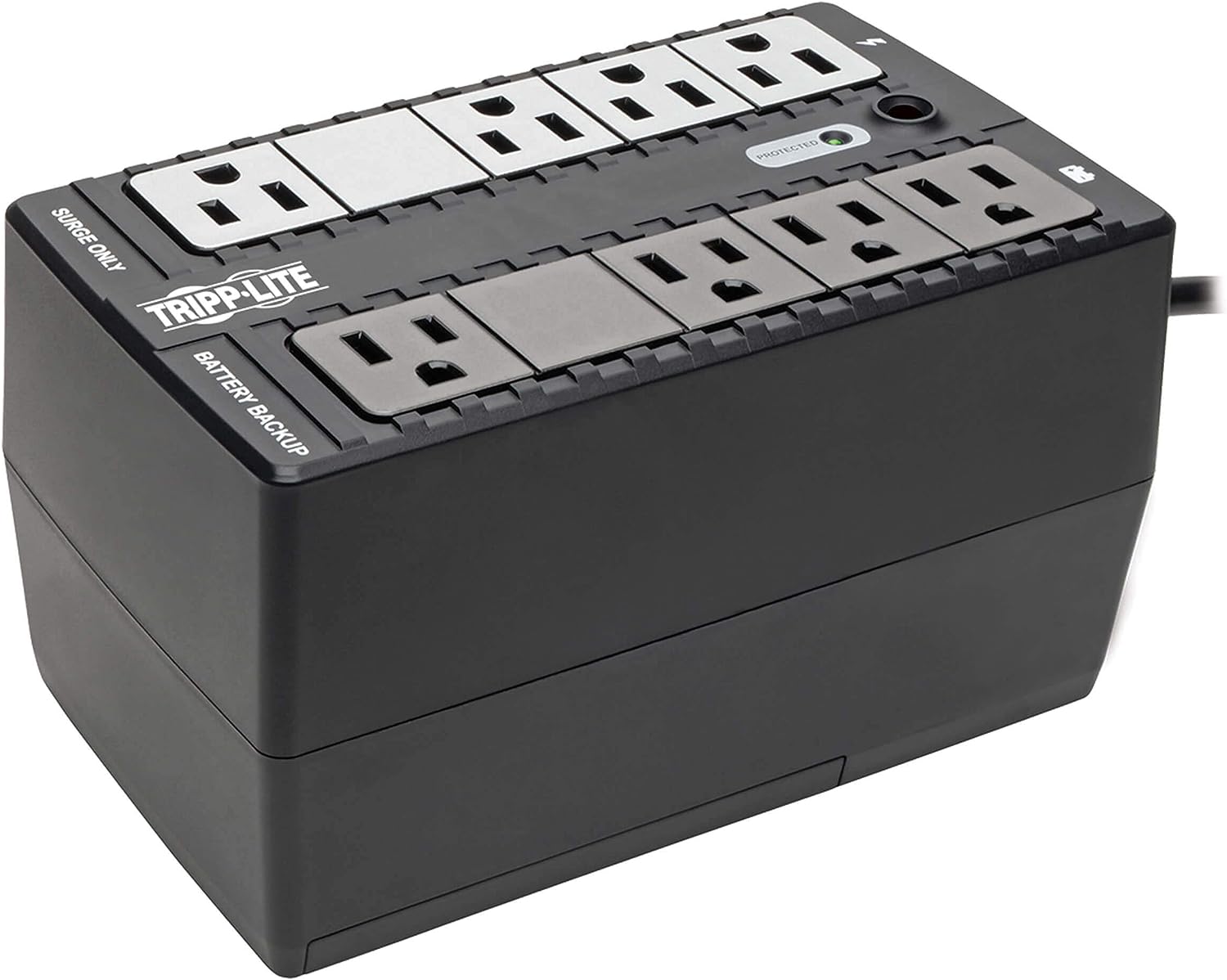
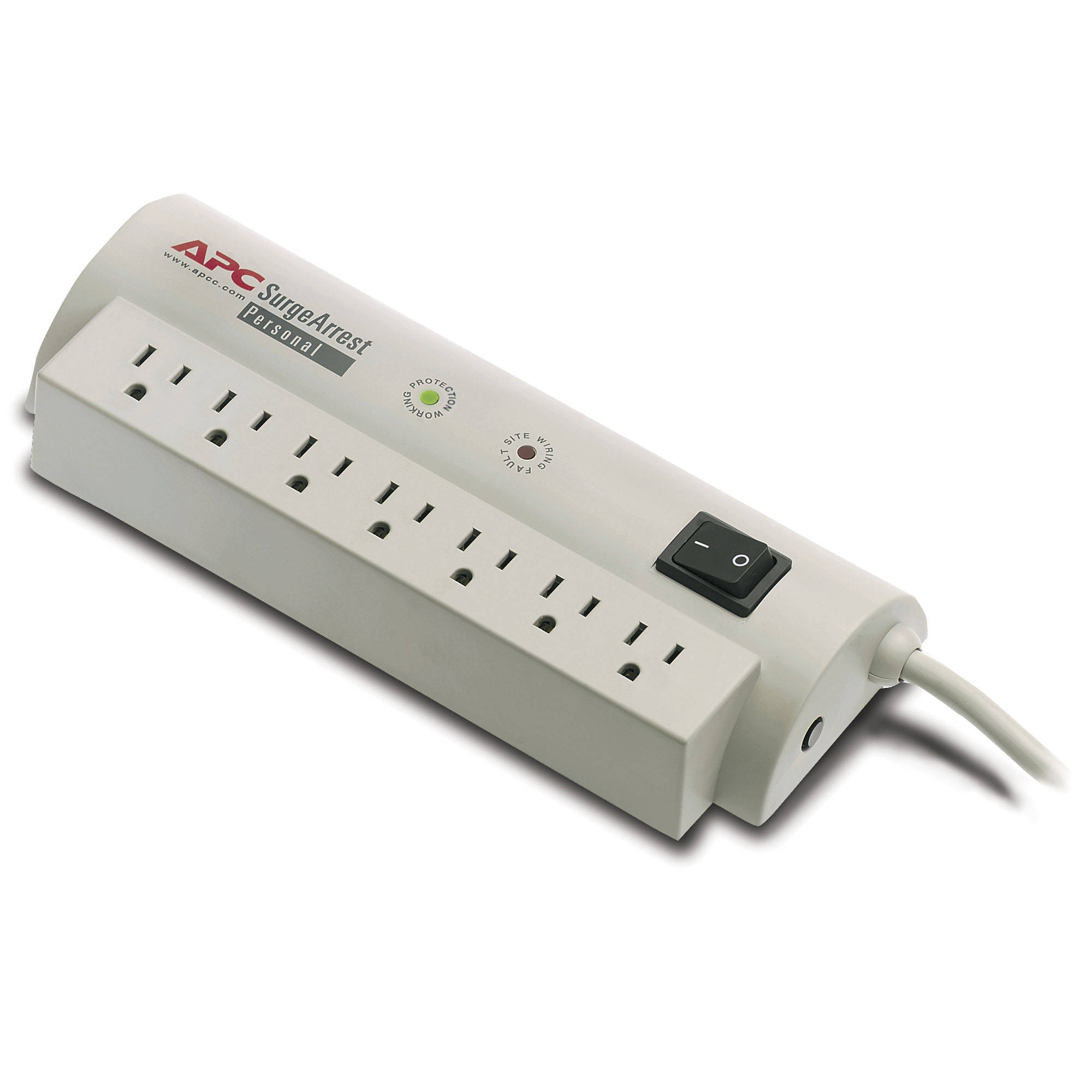
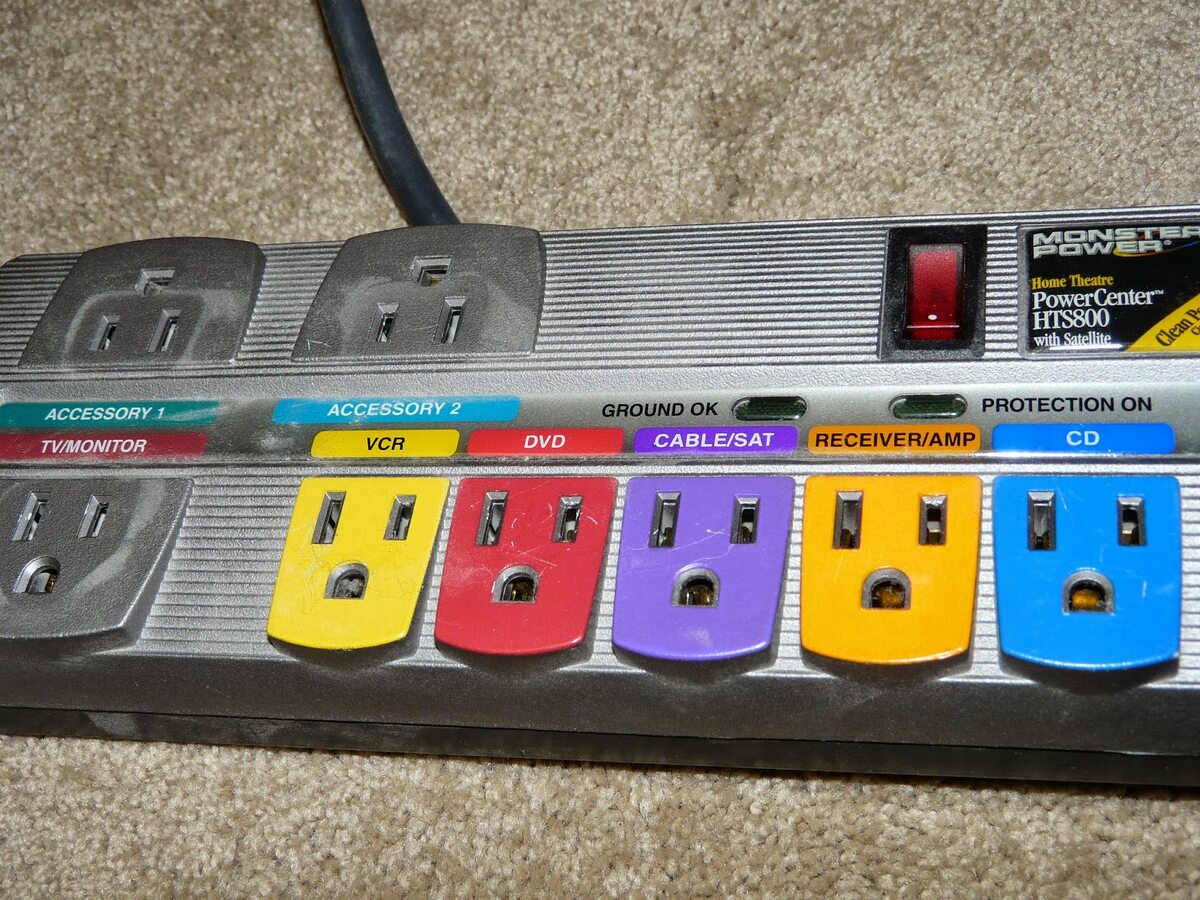
A power surge protector typically consists of multiple outlets, where we can plug in our devices. It has a built-in protection mechanism that actively monitors the voltage levels. When it detects a surge in voltage, it triggers a response mechanism to divert the excess electrical energy.
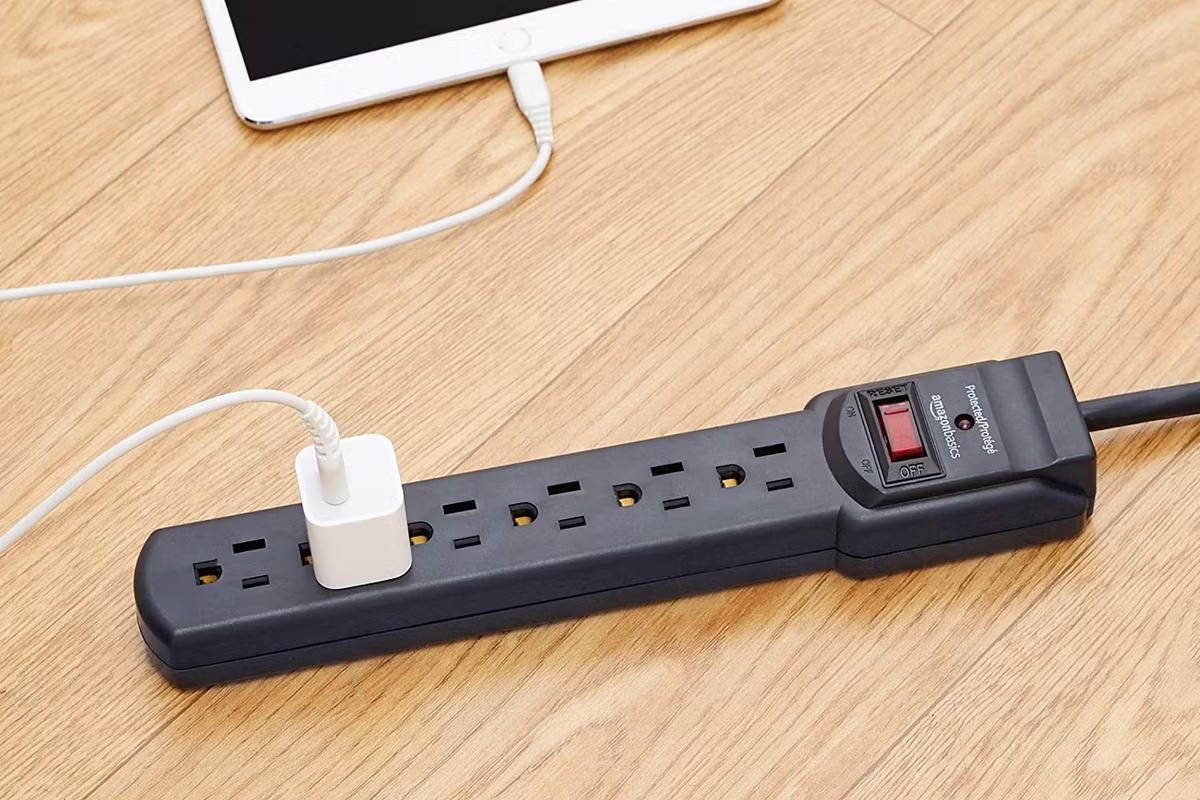
It is important to note that a power surge protector is not to be confused with a power strip. While both devices may look similar, a power strip only provides additional outlets for plugging in multiple devices and does not offer any protection against power surges. In contrast, a power surge protector combines the functionality of a power strip with surge protection capabilities.
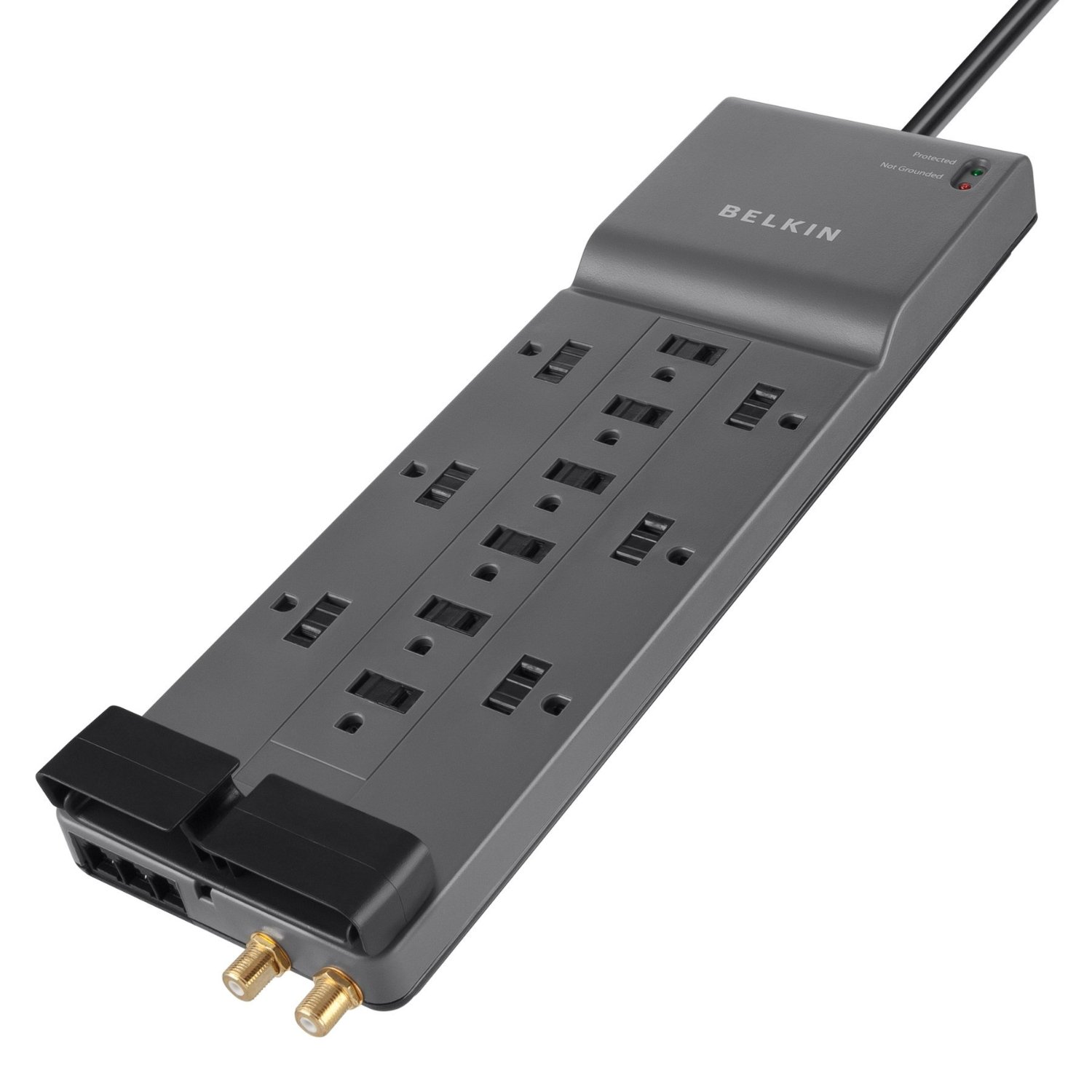
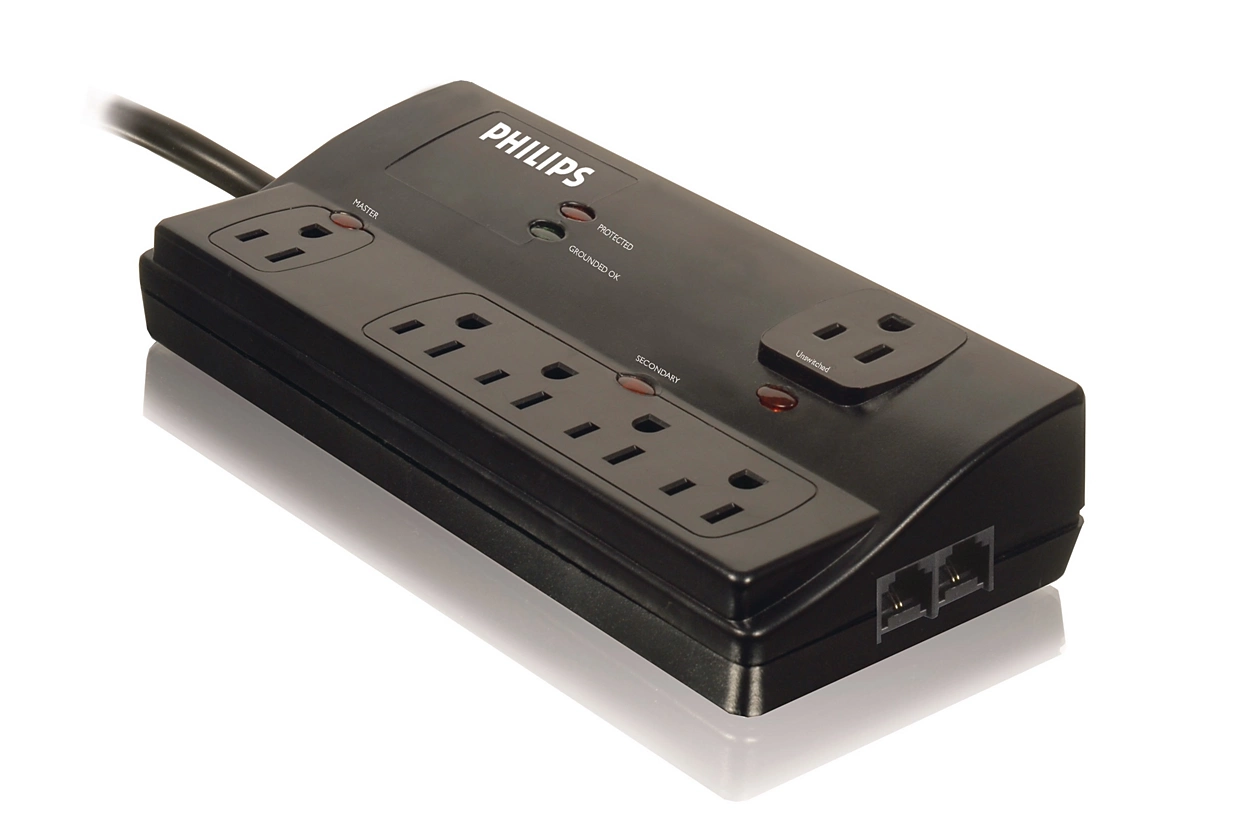
Power surge protectors come in various configurations, ranging from basic models that provide surge protection for a few outlets to advanced models with features like USB ports, Ethernet protection, and phone line protection. The level of protection offered by a power surge protector depends on its rating, which is often measured in joules.
Now that we understand the definition of a power surge protector, let’s explore how it actually works to shield our devices from harmful power surges.
How Does a Power Surge Protector Work?
A power surge protector works on a simple yet effective principle: it detects excessive voltage and diverts it away from our electronic devices. The device is equipped with a variety of components that work together to provide surge protection.
The primary component of a power surge protector is the metal oxide varistor (MOV). The MOV is made of a semiconductor material that has the ability to conduct electricity when the voltage is within a normal range. However, when a voltage spike occurs, the MOV’s resistance decreases, allowing it to absorb the excess electrical energy and prevent it from reaching the connected devices.
In addition to the MOV, a power surge protector also contains a fuse or a circuit breaker. This component plays a crucial role in protecting the surge protector itself. If the voltage spike is too high and the MOV cannot handle it, the fuse or circuit breaker will trip, cutting off the power supply to the devices and preventing any further damage.
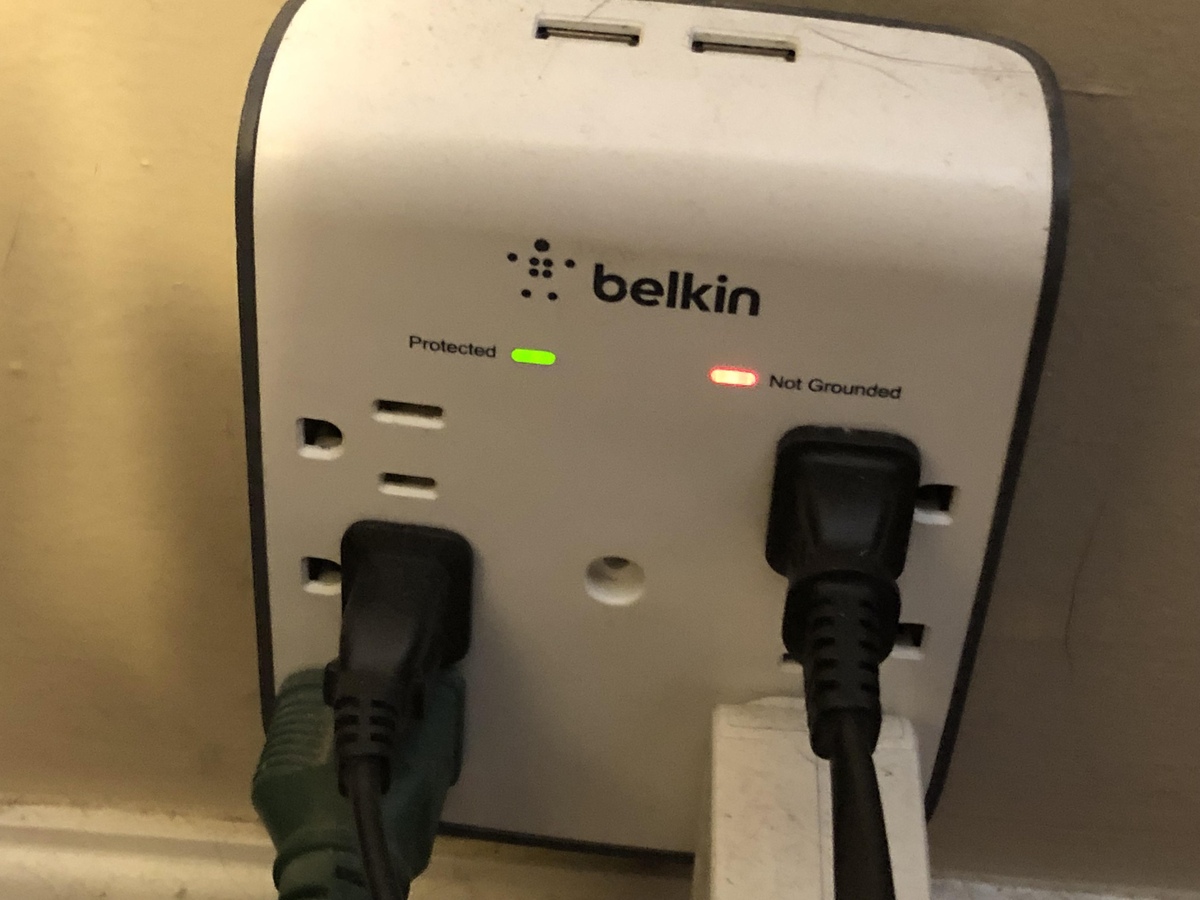
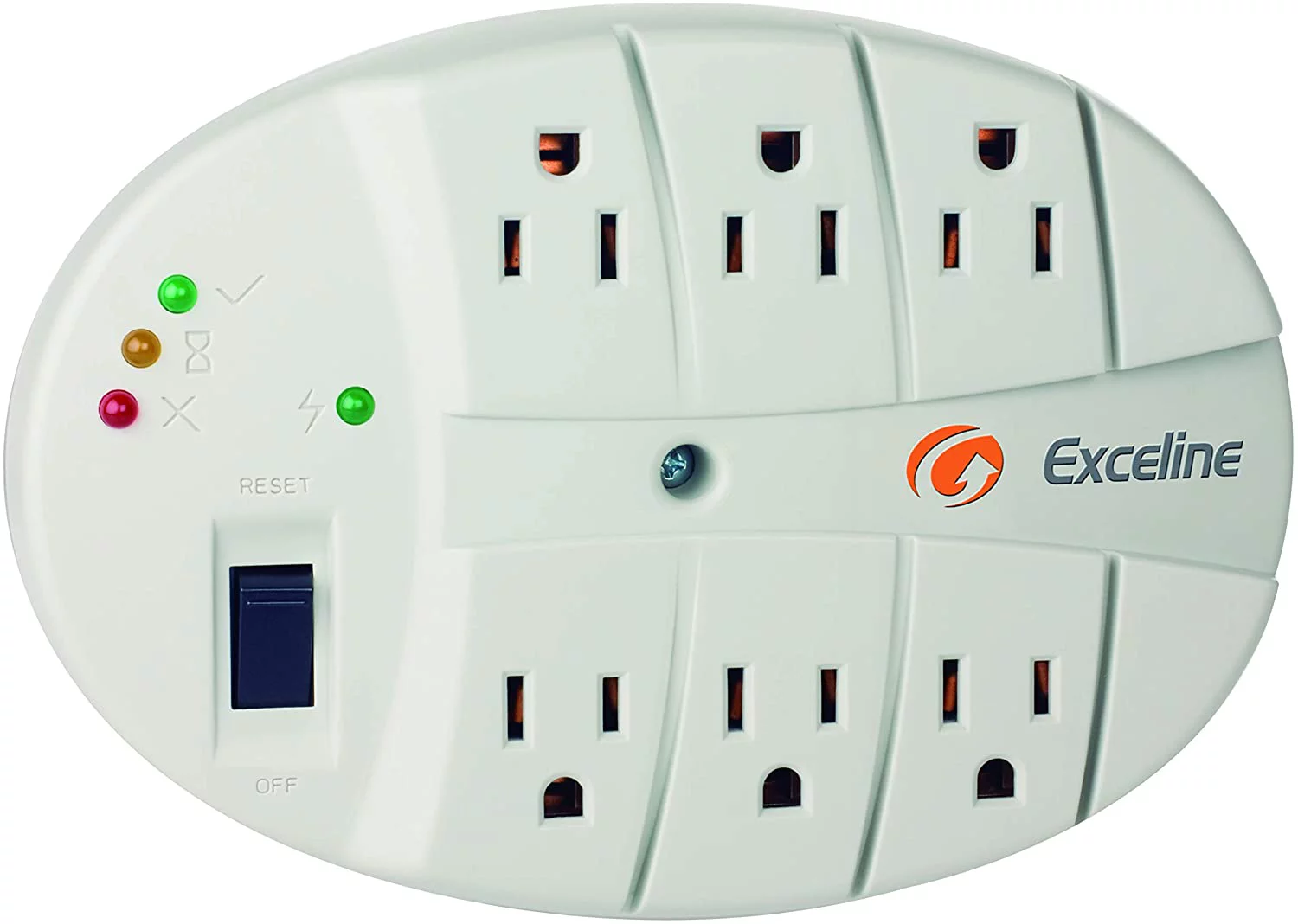
Another important feature found in many power surge protectors is the indicator light. This light provides a visual indication of whether the surge protector is functioning properly. If the light is on, it means the surge protector is actively protecting the devices. If the light is off or flickering, it may indicate that the surge protector needs to be replaced.
It is important to choose a power surge protector that is suitable for the devices you are using. Different devices may have different power requirements and sensitivity to voltage spikes. Therefore, it is recommended to look for a surge protector that has a higher joule rating, offering better protection.
In addition to protecting against voltage spikes, some power surge protectors also offer additional features such as filtering out electrical noise and providing surge protection for telephone lines, Ethernet connections, and coaxial cables.
Now that we have a clear understanding of how a power surge protector works, let’s explore why using one is so important.
Importance of Using a Power Surge Protector
Using a power surge protector is essential for safeguarding our electronic devices and ensuring their longevity. Here are some key reasons why using a power surge protector is important:
- Protection against power surges: Power surges can occur unexpectedly and can have damaging effects on our electronic devices. By using a power surge protector, we can prevent these voltage spikes from reaching our devices, effectively protecting them from potential damage.
- Preservation of data and equipment: Our electronic devices often store important data, valuable documents, and cherished memories. A power surge can corrupt or destroy this data, leading to irreversible losses. Using a surge protector ensures that our devices and the data they contain remain safe even during unpredictable electrical events.
- Cost-effective solution: Repairing or replacing damaged electronics can be costly. Investing in a power surge protector is a cost-effective solution that offers long-term protection. By preventing damage to our devices, we can avoid the expenses associated with repairs or replacements.
- Peace of mind: Knowing that our electronic devices are protected gives us peace of mind. We can use our devices without worrying about sudden power surges causing irreparable damage. This sense of security allows us to fully enjoy and make the most of our electronic devices.
- Protection for sensitive electronics: Sensitive electronic devices, such as computers, gaming consoles, and home theater systems, are particularly vulnerable to power surges. These devices often have delicate components that can be easily damaged. A power surge protector provides the necessary protection, allowing us to use these devices without fear of potential damage.
- Insurance requirements: Some insurance policies, especially for business and commercial properties, require the use of power surge protectors. Failure to comply with these requirements may result in the denial of insurance claims related to damage caused by power surges.
Considering the importance of protecting our electronic devices from power surges, it is crucial to choose the right type of power surge protector. In the next section, we will explore the different types of power surge protectors available.
Types of Power Surge Protectors
Power surge protectors come in various forms and configurations, each designed to meet different needs and provide varying levels of protection. Here are the main types of power surge protectors available:
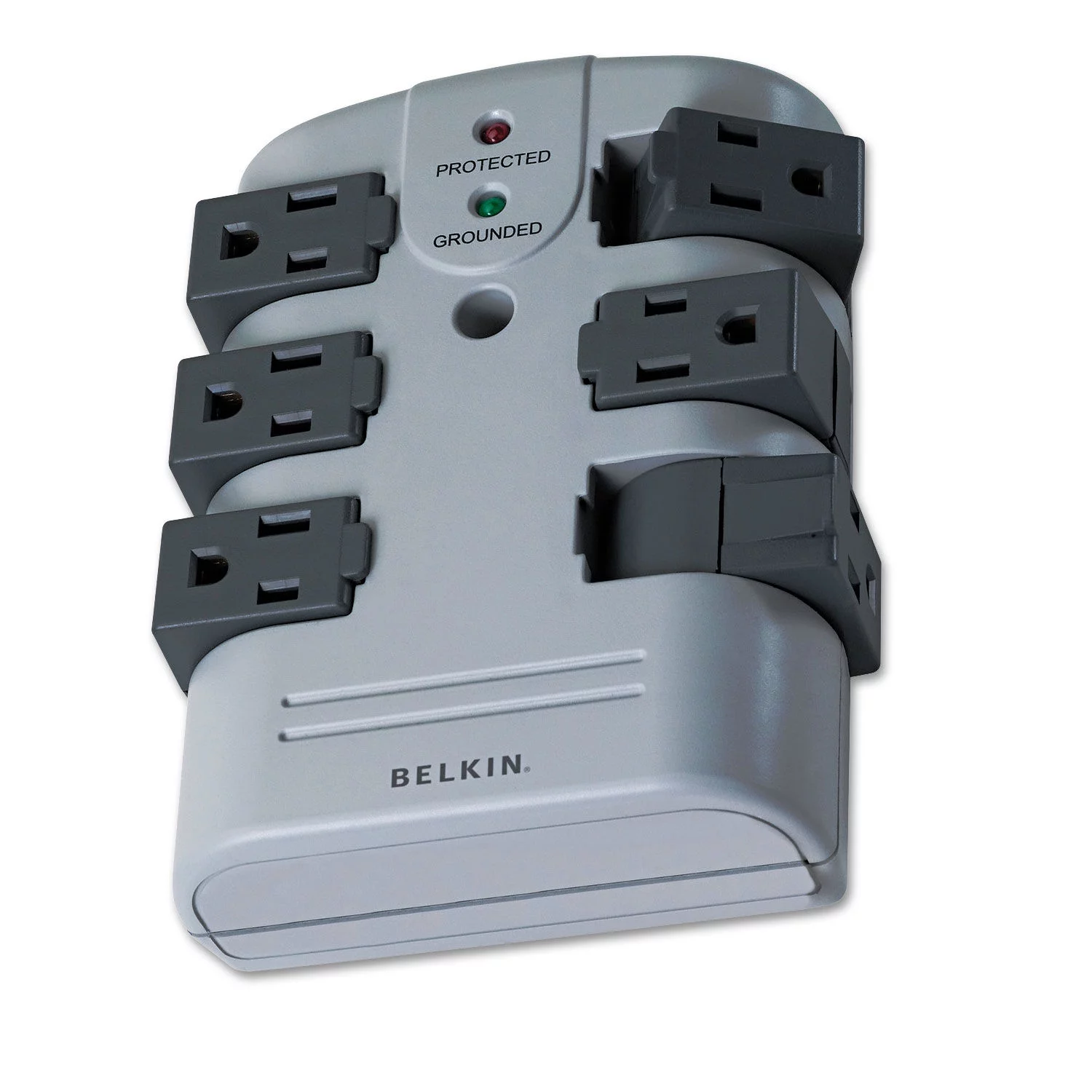
- Wall Outlet Surge Protector: As the name suggests, this type of surge protector is directly installed into a wall outlet. It offers a compact and convenient solution for surge protection. Wall outlet surge protectors typically have multiple outlets and may also feature USB ports for charging devices.
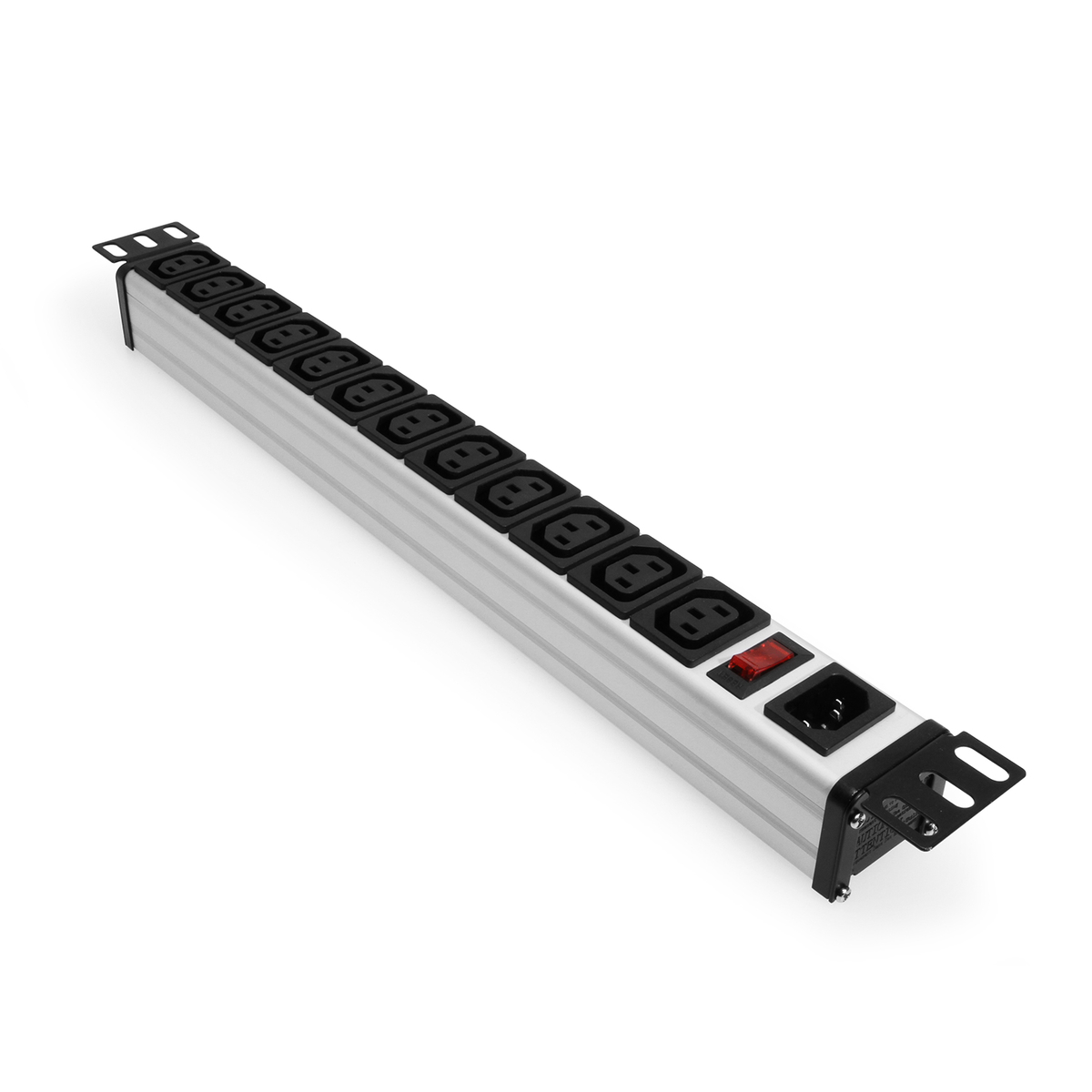
- Power Strip Surge Protector: Power strip surge protectors are perhaps the most common and familiar type. They resemble a standard power strip with multiple outlets but include surge protection capabilities. Power strip surge protectors offer flexibility in terms of the number of outlets available, making them ideal for use in home offices and entertainment centers.
- Whole-House Surge Protector: This type of surge protector is installed at the electrical panel or the main service entrance of a building. It provides surge protection for the entire electrical system, safeguarding not only electronic devices but also major appliances and HVAC systems. Whole-house surge protectors offer comprehensive protection against external power surges, such as lightning strikes.
- Data Line Surge Protector: In addition to protecting power outlets, data line surge protectors are designed to protect devices connected via data cables, such as Ethernet cables, telephone lines, and coaxial cables. These surge protectors offer an additional layer of protection for sensitive data communication and networking equipment.
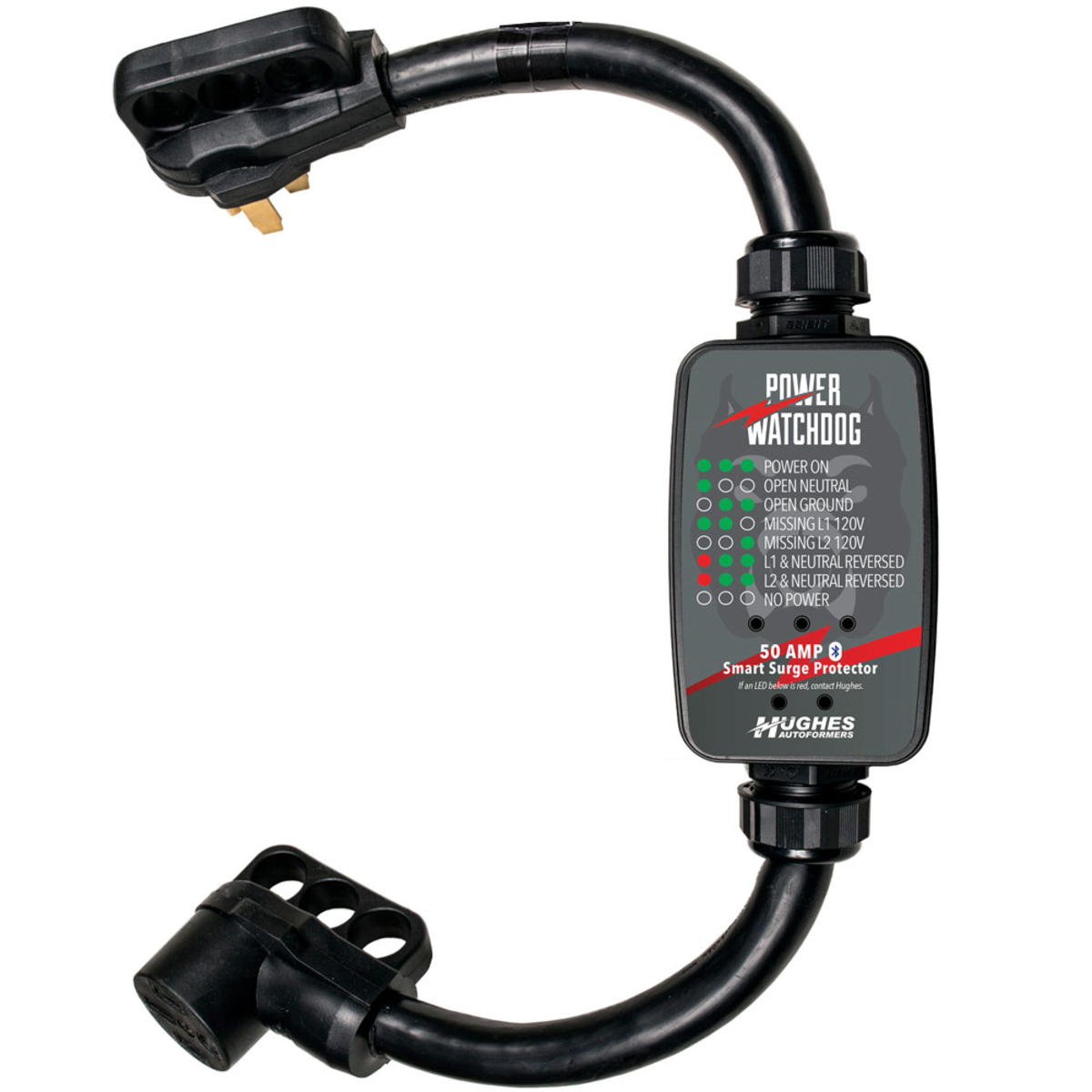
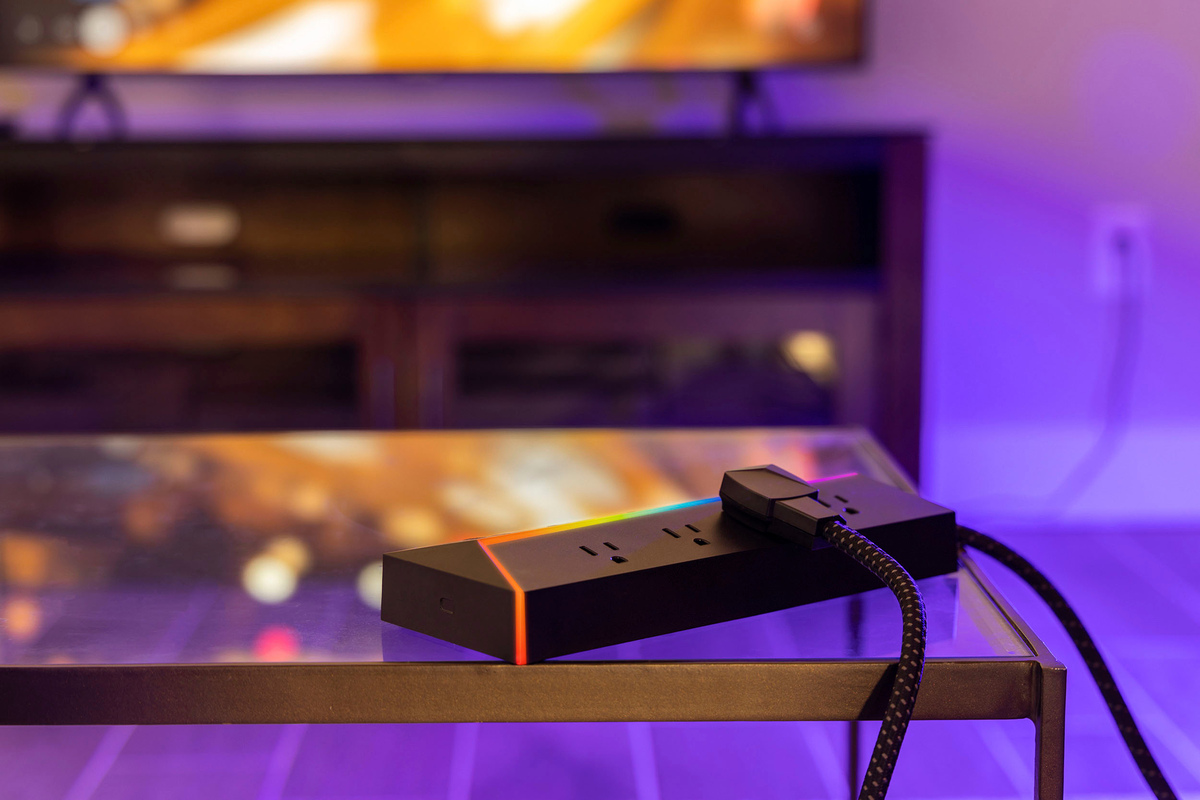
- Smart Surge Protector: Smart surge protectors offer advanced features and connectivity options. They can be controlled remotely through smartphone apps or voice assistants and may include additional features like energy monitoring, USB-C ports, and individually controllable outlets. Smart surge protectors provide convenience and flexibility for those who want to manage their power usage and protect their devices remotely.
When choosing a power surge protector, it is important to consider factors such as the number of outlets required, the rating in joules, the warranty offered, and any additional features that may be necessary for your specific needs. It is always recommended to choose a surge protector from a reputable brand that adheres to safety standards and offers reliable surge protection.
Now that we have explored the different types of power surge protectors, let’s move on to the factors to consider when buying a power surge protector.
When choosing a power surge protector, look for one with a high joule rating to ensure it can handle large power surges. Also, consider the number of outlets and the warranty offered.
Factors to Consider When Buying a Power Surge Protector
Choosing the right power surge protector is crucial to ensure effective surge protection for your electronic devices. Here are some important factors to consider when buying a power surge protector:
- Joule Rating: The joule rating refers to the surge protector’s ability to absorb and redirect excess voltage. A higher joule rating signifies better protection against power surges. It is recommended to choose a surge protector with a joule rating of at least 600 joules for basic protection and higher ratings for more sensitive or expensive equipment.
- Number of Outlets: Consider the number of devices you need to plug in and ensure that the surge protector has an adequate number of outlets. It is also helpful to choose a surge protector with spaced outlets, allowing for the accommodation of larger power adapters or plugs without blocking adjacent outlets.
- Clamping Voltage: The clamping voltage is the voltage level at which the surge protector activates and diverts excess voltage. It is advisable to choose a surge protector with a lower clamping voltage, as this means it will activate and provide protection at a lower voltage threshold.
- Response Time: The response time of a surge protector refers to how quickly it can react and divert excess voltage. Look for a surge protector with a fast response time (measured in nanoseconds) to ensure quick and effective surge protection.
- Warranty: Check the warranty provided by the surge protector manufacturer. A longer warranty period indicates the manufacturer’s confidence in their product’s quality and performance.
- Additional Features: Consider any additional features that may be beneficial for your specific needs. This could include USB ports for charging devices, Ethernet or phone line protection, LED indicators, or built-in rotating outlets to accommodate plugs of different sizes.
- Brand Reputation: Choose a surge protector from a reputable brand that has a proven track record of providing reliable and high-quality surge protection. Do some research and read customer reviews to ensure you are selecting a reputable product.
Taking these factors into account will help you make an informed decision when purchasing a power surge protector. Remember that the type and level of protection required may vary based on the sensitivity and value of the electronic devices you intend to protect.
Now that we have explored the factors to consider when buying a power surge protector, let’s move on to understanding the proper use and maintenance of these devices.
Proper Use and Maintenance of Power Surge Protectors
To ensure the optimal performance and longevity of your power surge protector, it is important to use and maintain it properly. Here are some guidelines for the proper use and maintenance of power surge protectors:
- Read the User Manual: Familiarize yourself with the user manual that comes with your power surge protector. It contains important information about the specific usage instructions and any precautions to take.
- Choose the Right Outlet: Plug your surge protector directly into a properly grounded wall outlet. Avoid using extension cords, power strips, or adapters, as they may compromise the surge protector’s functionality.
- Avoid Overloading: Be mindful of the total wattage and amperage of the devices you connect to the surge protector. Avoid overloading it, as this can negatively impact its performance and potentially cause it to fail.
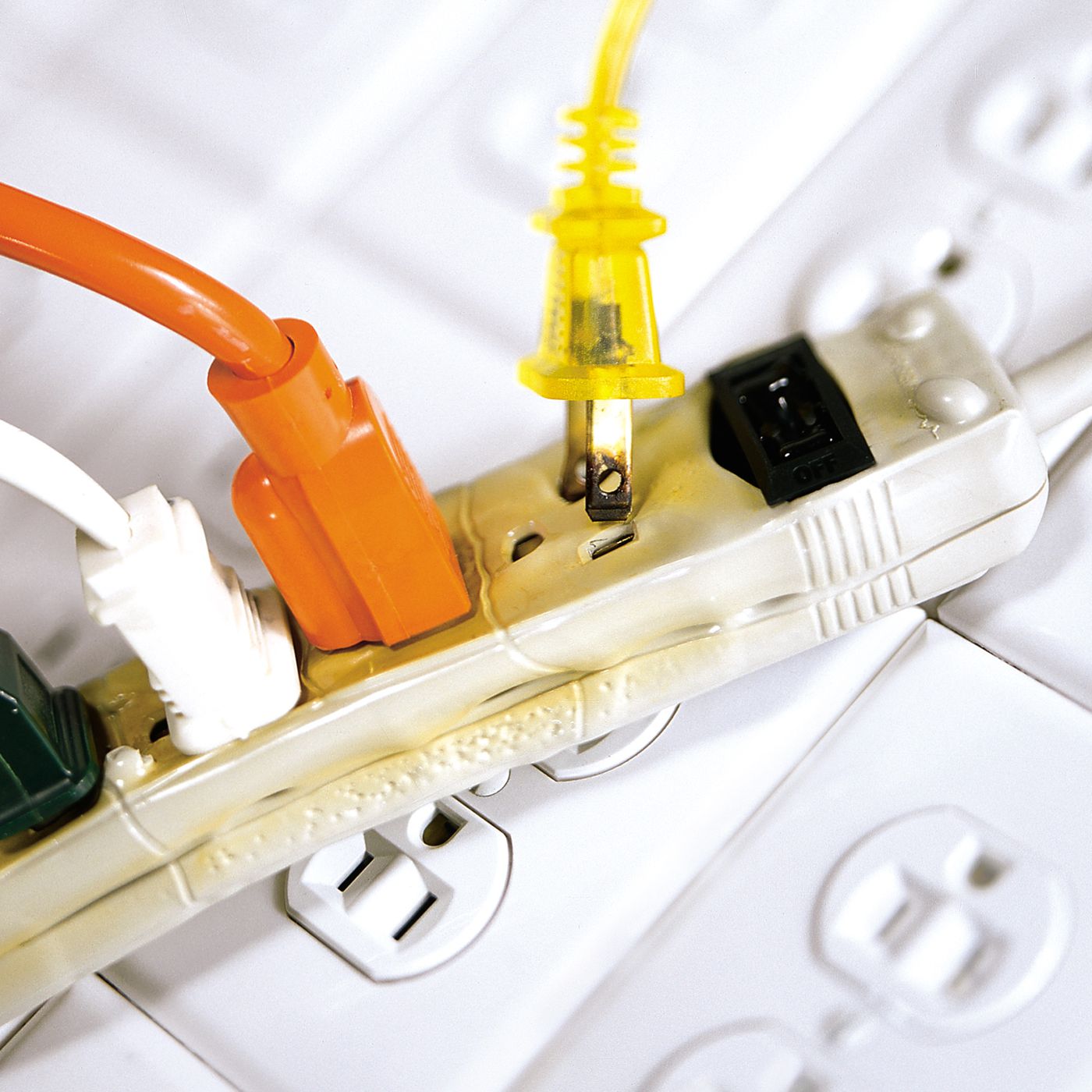
- Regularly Inspect and Replace: Regularly inspect the surge protector for any signs of wear, damage, or loose connections. If you notice any issues, replace the surge protector immediately to ensure continued protection.
- Test the Surge Protector: Some surge protectors come with a built-in testing feature. Periodically test the surge protector to ensure it is functioning properly. Refer to the user manual for instructions on how to perform the test.
- Keep it Clean and Dust-Free: Dust and debris can accumulate on the surge protector, potentially obstructing ventilation and causing overheating. Clean the surge protector regularly with a soft cloth to remove any dirt or dust particles.
- Use Surge Protectors in Multiple Locations: Consider using surge protectors in multiple locations throughout your home or office to ensure all electronic devices are protected. This is especially important if you have sensitive equipment in different areas.
- Stay Updated: Keep yourself informed about any product recalls or new safety guidelines related to power surge protectors. Stay updated on industry standards and advancements to ensure you are using the most reliable surge protection available.
By following these guidelines, you can maximize the performance and longevity of your power surge protector, ensuring continuous protection for your valuable electronic devices.
Now, let’s address some common misconceptions about power surge protectors.
Common Misconceptions About Power Surge Protectors
There are several misconceptions surrounding power surge protectors that can lead to misunderstandings about their capabilities and usage. Let’s debunk some of these common misconceptions:
- Surge Protectors Can Prevent Damage from All Power Surges: While surge protectors are effective in diverting excess voltage from power surges, they cannot protect against all types of power surges. For example, a direct lightning strike to your home or extreme power surges caused by major electrical grid issues may overwhelm even the most robust surge protectors. It is important to understand the limitations of surge protectors and take additional precautions, such as unplugging devices during severe weather.
- All Power Strips Offer Surge Protection: This is a common misconception, but not all power strips are equipped with surge protection capabilities. Some power strips simply provide additional outlets without any surge protection. To ensure surge protection, look for specific indications of surge protection in the product specifications and packaging.
- A Surge Protector Lasts Forever: Power surge protectors have a limited lifespan and effectiveness. Over time, the internal components degrade, and the ability to handle power surges diminishes. It is generally recommended to replace surge protectors every 2-3 years, even if they appear to be functioning normally. Always check the manufacturer’s guidelines for specific recommendations on the lifespan of your surge protector.
- Multiplying Surge Protectors Increases Protection: Plugging one surge protector into another, also known as “daisy-chaining,” does not increase the level of protection. In fact, this practice can overload the surge protectors and increase the risk of electrical hazards. Each surge protector should be directly plugged into a properly grounded outlet to ensure proper functionality and protection.
- All Surge Protectors Are the Same: Surge protectors vary in their quality, features, and level of protection. Not all surge protectors are created equal, and it’s important to choose surge protectors from reputable brands with good reviews and safety certifications. Higher-quality surge protectors may come at a slightly higher cost but offer better surge protection and durability.
- Surge Protectors Are Only for Expensive Electronics: While expensive electronics may warrant extra protection, surge protectors are beneficial for all electronic devices, regardless of their cost. Power surges can occur at any time, and even a small voltage spike can cause damage or result in data loss. Protecting all electronic devices with surge protectors is a wise investment to ensure their longevity.
Understanding these misconceptions will help you make informed decisions about surge protectors and take the necessary precautions to protect your electronic devices effectively.
As we conclude, it is important to reiterate the importance of using power surge protectors and taking the necessary steps to select, use, and maintain them properly. By doing so, you can ensure the safety, longevity, and optimal performance of your valuable electronic devices.
Conclusion
Power surge protectors are indispensable devices that play a crucial role in safeguarding our electronic devices from damaging voltage spikes. By diverting excess voltage away from our devices, power surge protectors provide essential protection, preserving our data, saving us from expensive repairs or replacements, and giving us peace of mind.
Understanding the working mechanism of power surge protectors helps us appreciate their effectiveness. With components like metal oxide varistors (MOVs) and fuses or circuit breakers, surge protectors detect and redirect excessive voltage, ensuring a safe and stable power supply to our devices.
When buying a power surge protector, it is important to consider factors like joule rating, clamping voltage, response time, and the number of outlets to meet your specific needs. Additionally, proper use and maintenance of surge protectors, including plugging them into grounded outlets, regular inspection, and cleaning, ensure their optimal performance and longevity.
It’s important to dispel common misconceptions surrounding power surge protectors. While surge protectors are effective, they cannot prevent damage from all power surges, and not all power strips offer surge protection. Surge protectors have a limited lifespan and should be replaced periodically. Multiplying surge protectors or daisy-chaining does not increase protection, and not all surge protectors are the same in terms of quality and features.
In conclusion, power surge protectors are vital in protecting our electronic devices and data from power surges. By choosing the right surge protector, using it properly, and debunking misconceptions, we can ensure the safety and longevity of our electronic devices. Invest in a reliable surge protector, follow proper usage guidelines, and be proactive in maintenance to enjoy uninterrupted and secure operation of your valuable electronic devices for years to come.
Frequently Asked Questions about What Is A Power Surge Protector
Was this page helpful?
At Storables.com, we guarantee accurate and reliable information. Our content, validated by Expert Board Contributors, is crafted following stringent Editorial Policies. We're committed to providing you with well-researched, expert-backed insights for all your informational needs.

0 thoughts on “What Is A Power Surge Protector”