Reading Blue Prints


Blue prints are much more detailed drawings than simple floor plans. Blueprints are exact detailed scaled drawings of plans of a home, or structure, which include many more details than a basic floor plan.

Your blue print plans and specifications are the documents used by your contractor/builder and subcontractors to instruct them on how you build your new home. Each set of blue prints should include the following: floor plans; plans for the foundation and information on footings and framing; front, side and rear elevations; a roof plan; electrical layout and Kitchen cabinet layout; and construction details.

Each set of blue prints includes detailed documentation which fully describe the quality and specifications of the materials needed to complete the building of your home. You can use your detailed blue prints to get precise estimates of the total cost to build your home.

Blueprints are used to provide the builder with a complete set of two-dimensional instructions on exactly how to construct the home. The most common sizes of blueprints for the construction of a new home are 18” x 24” or 24” x 36”. Reading blue prints:

How to read blueprints

Scale:

Blue print floor plans are typically drawn to a 1/4” scale of the actual size of the home. This way the builder will be able to scale the drawing of the home and come up with the correct measurements. As a general rule 1/4" scale means that for every 1/4" on the plan will account for 1” of actual length. Some details like framing layouts or built-in details will account for 1” of actual length. Some details, like framing layouts or built-in details may be drawn at a scale of 1/8” or even 3/4".

Your builder will know to look at the key provided on the blue prints to determine the scale if any portion of the house needs to be changed or the contractor can scale the drawing to determine the right measurements to make the adjustments. The scale of each drawing is usually next to the title, however there are times when it is called out beneath the drawing or some other place on the page.

Elevations:

Blue prints also generally include four elevation drawings of a home: the front, the rear and each side. The elevations are drawn to scale and show what your home will look like upon completion. Elevation blue prints also include ridge heights, exterior finishes, roof pitches and other design aspects to give a general idea of the finished home. These exterior specifications can also provide details about the home’s exterior architectural styling.

Basement floor plan:

Basement floor plans show how foundations and the structural integrity should be built. These plans give further details about the location of footings, load bearing walls, steel rebar concrete reinforcements, and other structural elements the home requires to support the walls and roof.

Electrical layouts:

By keeping the electrical layout on it’s own drawing the electrician can begin wiring the home without reading through the entire building floor plan. Electrical diagrams usually include a legend or key on the page, which explains what each symbol represents. From this diagram the electrician can determine the location of electrical outlets, fans, fixtures, light fixtures etc. Electrical diagrams may also include legends for heating systems, door swings and sizes, furniture placement, and may specify certain finishes.

Framing Drawings:

Like every other drawings, the framing drawings are also drawn to scale. Framing plans include the basic skeletal structure of the home. Floor joist locations, walls, and roof trusses are the overall detail of these plans. Generally locations of each stud are not included, due to a recognized universal building code. However, in some cases there are instructions for particular wall construction methods.

Plumbing and mechanical systems:

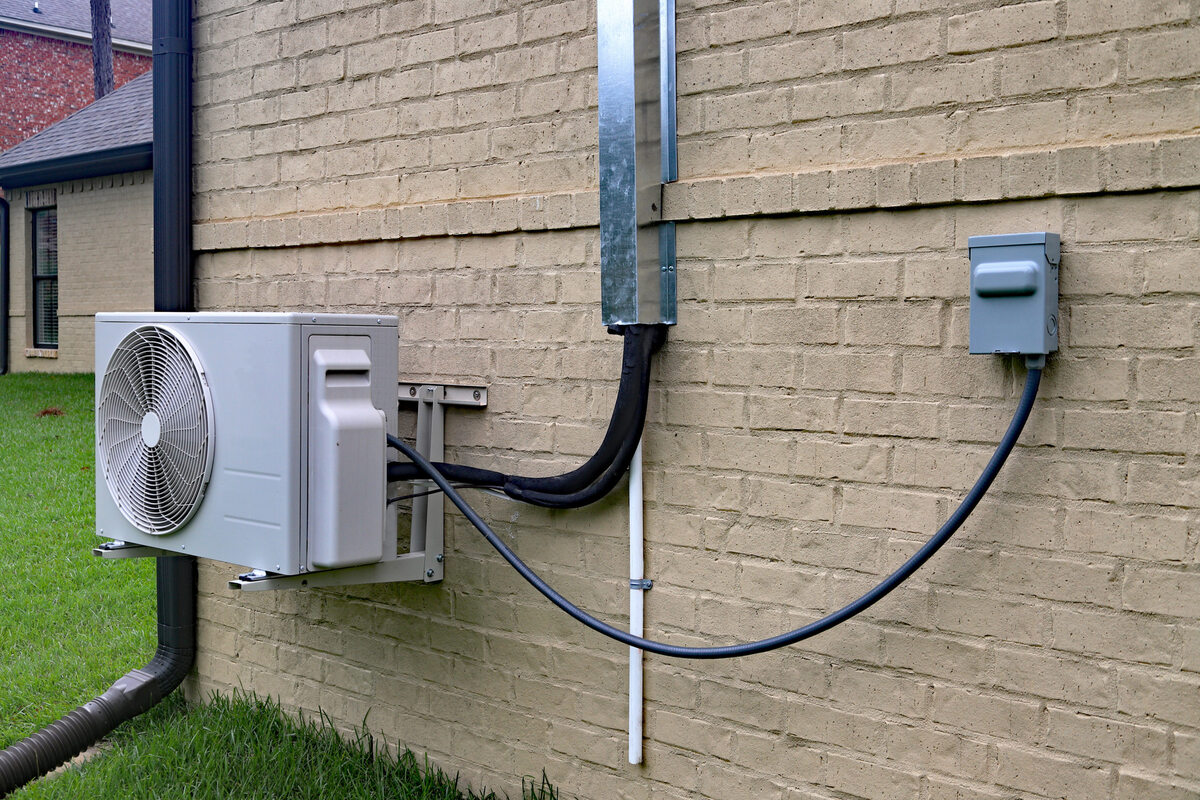
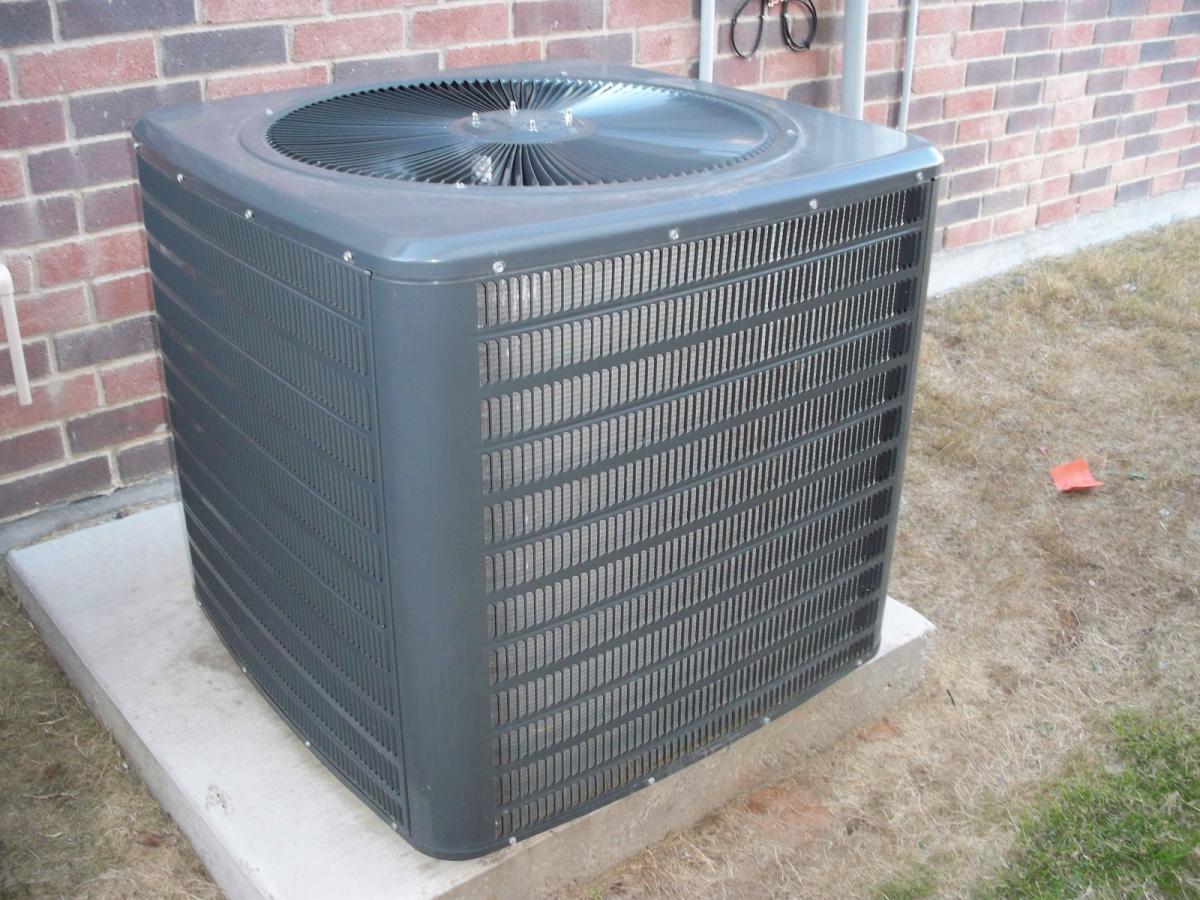
Different regional preferences and climatic variances dictate the mechanical systems and, as such, this information must be obtained locally. Typically only plumbing fixture locations are provided, but this information is ample for the contractor to install a plumbing system. Make sure that any exterior units such as air conditioners fall within the building envelop or set backs where required.

Cross sections and details:

Overhead views or floor plan views of the structure provide detailed information about wall lengths and room dimensions but do not provide enough information for successful construction of the home. Therefore in most cases, a cross section of the home is included in a set of home plans. A cross section of a home is a drawing of the completed home as if it were sliced in half. This part of a home plan provides the builder with an even better understanding of the relativity of floor heights and rafter lengths, among other structural elements of the home.

Plot Plan:

A plot plan is a comprehensive drawing of the site location or lot on which a new home is to be built. Plot plans are drawn to determine the placement of the home on the chosen building lot in reference to the property boundaries, topography and house layout. Plot dimensions are normally recorded by a surveyor, and are used to determine the exact location and positioning of the selected home in relationship to the chosen lot. Plot plans will typically include the location of utility services, set back requirements, building envelope if one exists and easements; and the location of drive ways and walk ways. In some cases a topographical map may be included that will supply the architect or builder with critical data on the slope, terrain and plant location of the lot he or she is designing a home for.


Buyer's Choice Home Inspection 1735 Audubon Trail Lutz, FL 33549
Phone: Fax:

Radon-Information | Staff-Profiles | Contact-Us | Roof Installation | During Roof Install | Tile Maintenance | Upgrading Electrical System | Water Heater Problems | Weatherstripping | Whole House Fans | Wood Rot | Home - Maintenance | Inspection Process | Roofs | Plumbing | Electrical | Fireplace Maintenance | Fireplaces | Dishwasher Problems | Kitchen and Baths | How Electricity Works | Inspection-Tour | Question | Power Outage | Florida Wind Map - Old | Appliance Tips | Carbon Monoxide FAQ | HUD News | CPSC News | Old House WEB | Money Pit | Do It Yourself | Hurricane Information | Storm Prediction Center | Tampa Bay Weather | Link to Us | Entrapment Hazards | Wiring Sizes | Child Safety Tips | For Agents & Brokers | Plumbing Materials | Hurricane Shields | Environmental-Issues | Compare Estimates | Mold | Mfg Homes | Repair Cost Guide | Resources | Lead | Pressure Treated Wood | Plumbing Fundamentals | Lightning Protection | Service Wires | Roof-Siding-Deck-Window | Custom Home Builder News | Home Construction News | Home Building News | Residential Architect News | FVIR Water Heaters | Prepare for Thunderstorms | Perils in Florida | Seller's Checklist | Safety Checklist | Wild Life Control | After the Inspection | Home Maintenance | Senior Safety Tips | Biological Pollutants | Inspection-Guide | Home Safety Tips | Drowning Prevention | Fences FAQ | Resources Links | Tips Inspecting Roof | Styles of Roofs | Roof Slope | Inside Roof Inspection | Outside Roof Inspection | Cool Metal Roof | Site-Directory | Occupational Safety News | Household & Consumer News | Tampa Bay News | JLC Online | Mr. Fix-It Tips | Spas, Hot-Tubs | Florida Wind Map - New | Wind Map - Hillsborough | Wind Map - Pinellas | Avoiding Wind Damage | FL Bldg Code Changes | Home Interiors | Lightning | Pre-purchase Checklist | Plumbing & HVAC News | Defects Defined | Dryer Vent Safety | Well & Septic Systems | Electric Terminology | Inspector Resources | Home Clinic | How Your House Works | Home Improvement | Finding Contractors | FPE Panels | GFCI Outlets | Rewire Old Homes | Surge Protection | Pool Sanitizers | Home Construction | Trusted Broker's Blog | Door Locks Basics | Dryrot Issues | Plumbing FAQ | Moving Tips | Septic Maintenance | Septic Problems | Roofing Terms | Attic Ventilation | Roof Concerns by Type | Hiring Contractors | Polybutylene | Environment | Roof Ventilation | Other States | Florida | Garage Door Safety | Tap Water Scalds | Building Topics | Thermal Windows | Thermostats | Garage Fire Safety | History of Building Codes | Home Emergencies | Home Lighting | Preventive Maintenance | Home Security | Child Proof Home | Chimney Maintenance | Clean Water Supply | Concrete Slab Maintenance | Deck Maintenance | Health & Safety | HVAC | Homeowner Resources | Technical Resources | New Construction Inspections | 1yr Warranty Inspection | 4-Point Insurance Inspection | Other Types Services | 7-Keys to Find Inspector | Ungrounded Outlets | Simpson Strong-Ties | Construction-Terms | Home Journal | Home Improvement Watch | Discovery Technology | Real Estate News | Electrical News | Construction News | We Are Independent | Roofing Basics | Hurricane | Flood | Thunderstorm | Water Heater Ages | Indoor Air Quality | Masonry Fireplaces | Mold FAQ | On Demand Water Heaters | Overloading Electrical Circuits | Plumbing Systems | Pool Heaters | House to Code? | Automatic Fire Sprinklers | Other Inspectors | ASHI Home Inspections - FAQ | Small Home Repairs | Solar Heating | 13 SEER Systems | Other Inspectors 2 | AC Maintenance Tips | Air Filters | Pool Safety | Energy Conservation | Child Safety | Electricity Basics | Energy Star Ratings | Prevent Mildew | Radon Testing & Removal | Rain Gutters | Reading Blue Prints | Remodeling Process | Efficency Ratings | Construction & Building News | Safety Barriers | Landscape and Gardening | Coastal Construction | This Old House | Construction.com | Ask The Builder | Build Your Own Home | Building News | Design & Construction | Housing Zone | Builder - Constructor | Homeowner Resource Site | Do It Yourself Project Videos | Home Improvement Tips | Client-Login | Home-Buyer-Checklist | Download Adobe Acrobat | Tell-a-Friend | Real-Estate-News | FAQ | Real-Estate-Terms | Home | Site Map | Mortgage Calculators | Our-Service-Area | Common Defects | Inspector-Services | Inspection-vs-Appraisal | Inspector-vs-Engineer | New-Home-Inspection | Purchase-Inspection | Septic-Inspection | The Home Inspection | Listing-Inspection | Request Info | Truss-uplift | Maintaining Wells | Mold-in-the-Home | Types-of-wells | Well Inspections | Our-Technology | How-to-prepare | Investment Homes | ASHI-Membership | ASHI-Code-of-Ethics | Choosing an Inspector | HVAC-Issues | Geo-Soils Report | Roofing-Issues | Hidden-Water-Damage | Plumbing-Issues | Termites and Other Pests | Asbestos-Information | Mfg-vs-ModularHomes

Copyright © 2008 Buyer's Choice Home Inspection
Portions Copyright © 2008 a la mode, inc.
Another XSite by a la mode, inc. | Terms of UseSite Map