Prevent Mildew

Mildew is a thin, black, or sometimes white, growth produced by mold. Molds are plants belonging to the group known as fungi. Though molds are always present in the air, those that cause mildew need moisture and certain temperatures to grow.

Mold will grow on anything and mildew will flourish wherever it is damp, warm, poorly lighted and/or where air is not circulated. Cellars, basements, crawl spaces and even clothing closets should be watched closely for growth. Mildew can also be found on draperies and rugs in basement recreation rooms, on shower curtains and on damp clothes rolled up for ironing. These molds are also likely to grow in a new house because of moisture in the building materials.

As the molds grow, they cause considerable damage. They leave a musty odor; they discolor fabrics, including leather; and sometimes they eat into them until the fabrics rot and fall to pieces. There are steps you can take in order to prevent mildew.

Things that can cause mildew:

 Environments that contain warm temperatures and high humidity levels are ideal for mildew growth.

 Soil on dirty articles, including clothing, can supply enough food for mildew to start growing when moisture and temperature are right.

 Greasy films, such as those that form on kitchen walls, also contain many nutrients for mildew-causing molds.

Preventing Mildew

 Keep places in your home, where mildew is likely to grow, as clean as possible.

 Excessive moisture may indicate that repairs or additional insulation are needed. Replace cracked or defective mortar. Some basements are continually wet from water leaking through crevices in the wall. Make sure outside drainage is adequate.

 Take proper waterproofing measures.

 If your clothes dryer is equipped with a vent, have it exhausted to the outside to remove moist air.

 Heat. Get rid of dampness by heating the house for a short time. Then open doors and windows to let out the moisture-laden air. An exhaust fan may be used to force it out.

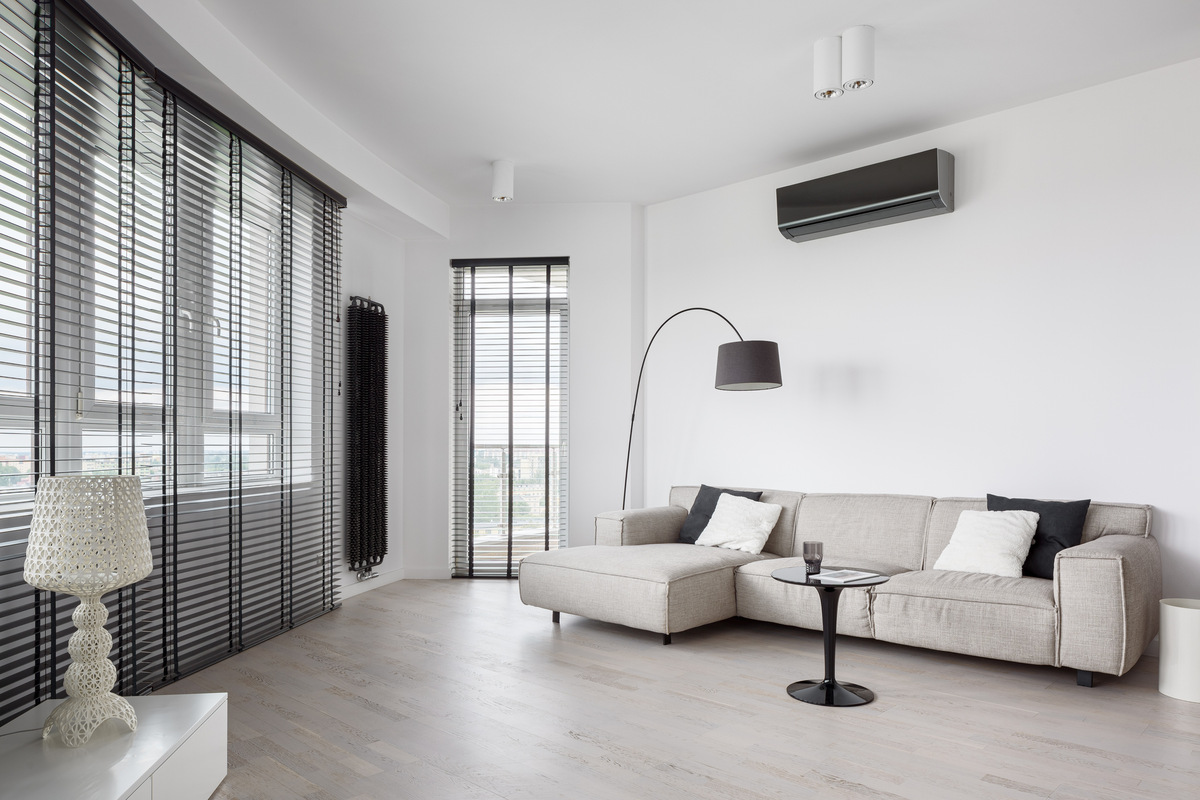
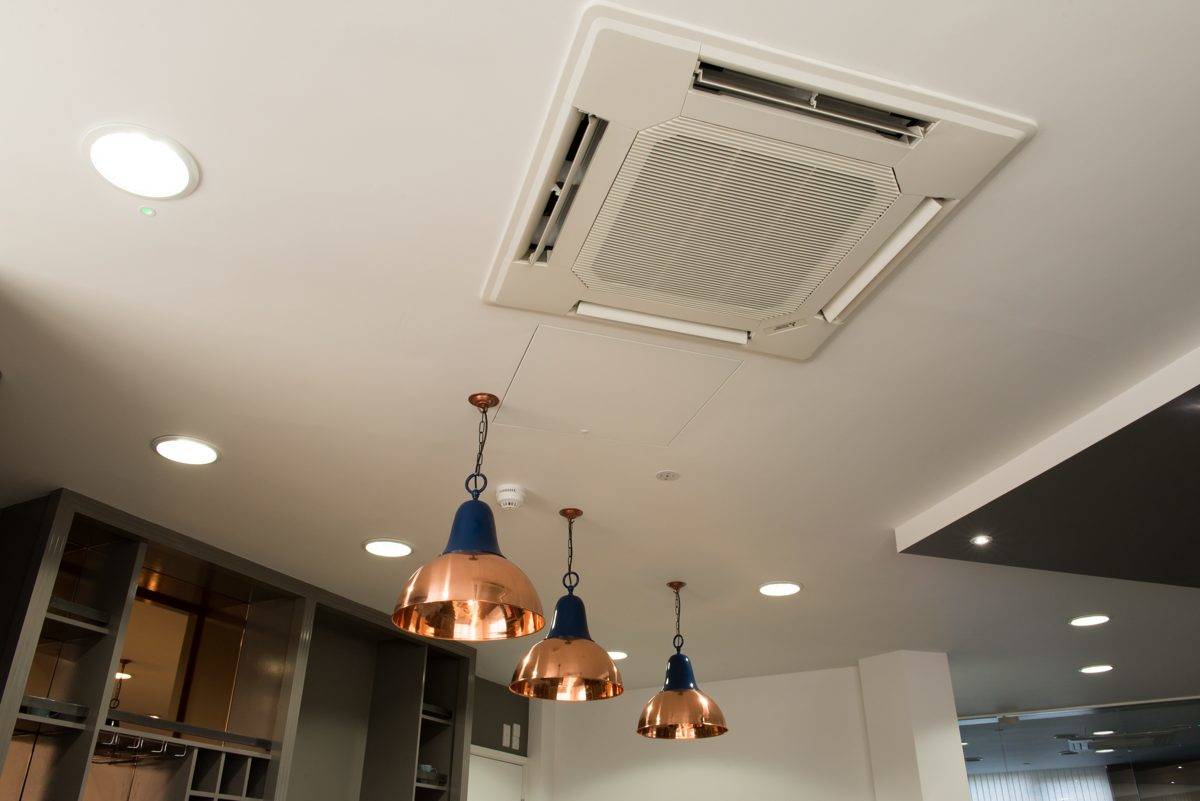
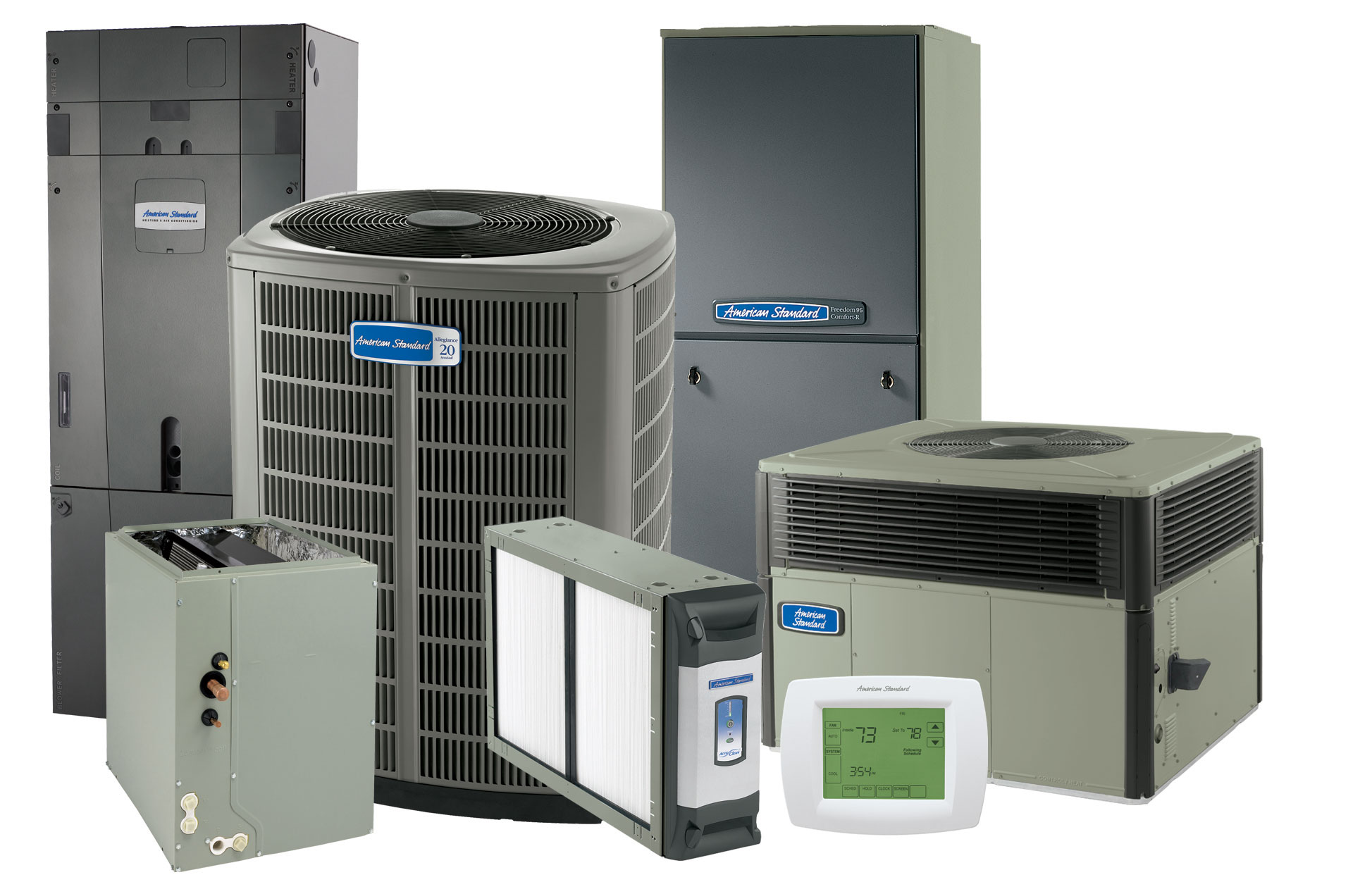
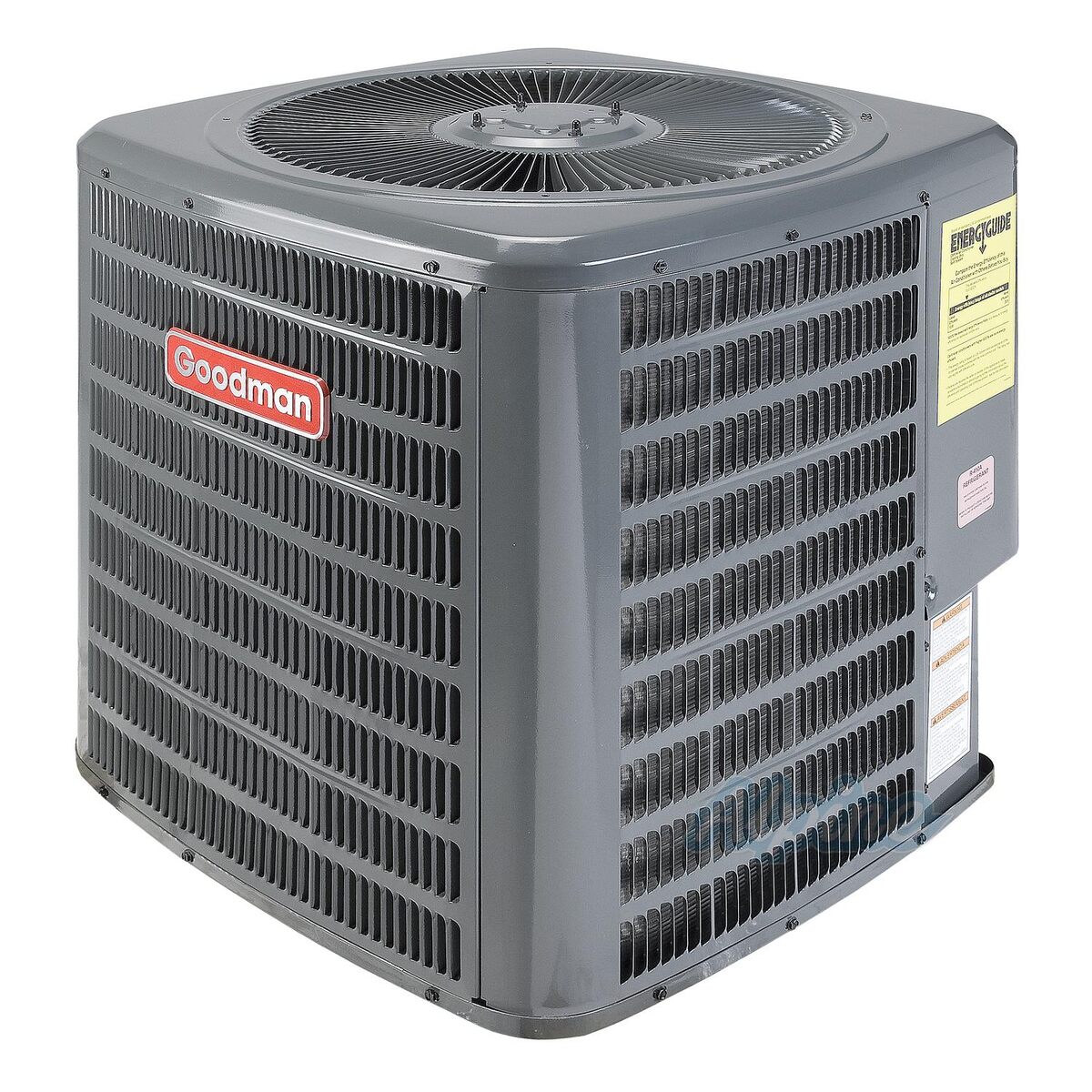
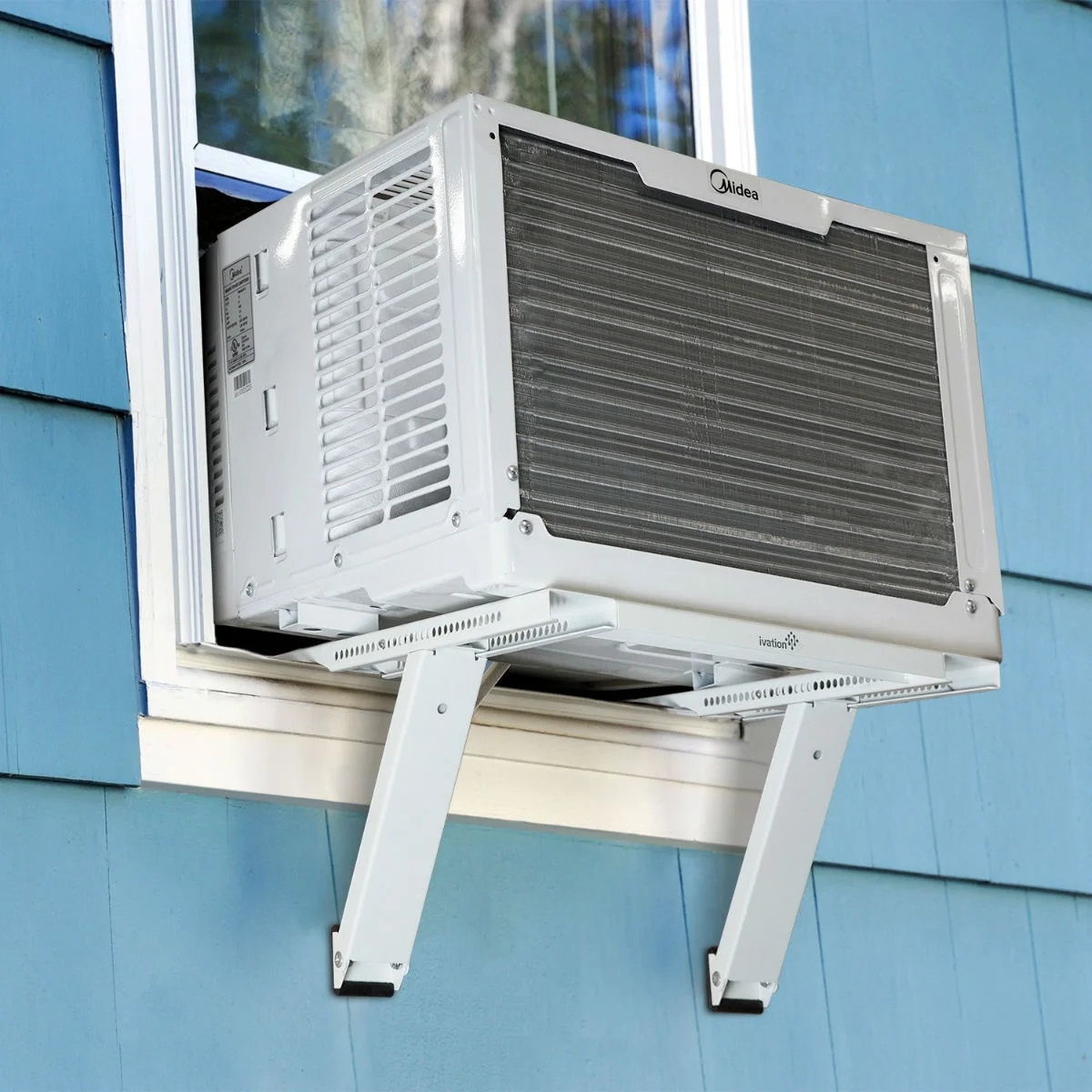
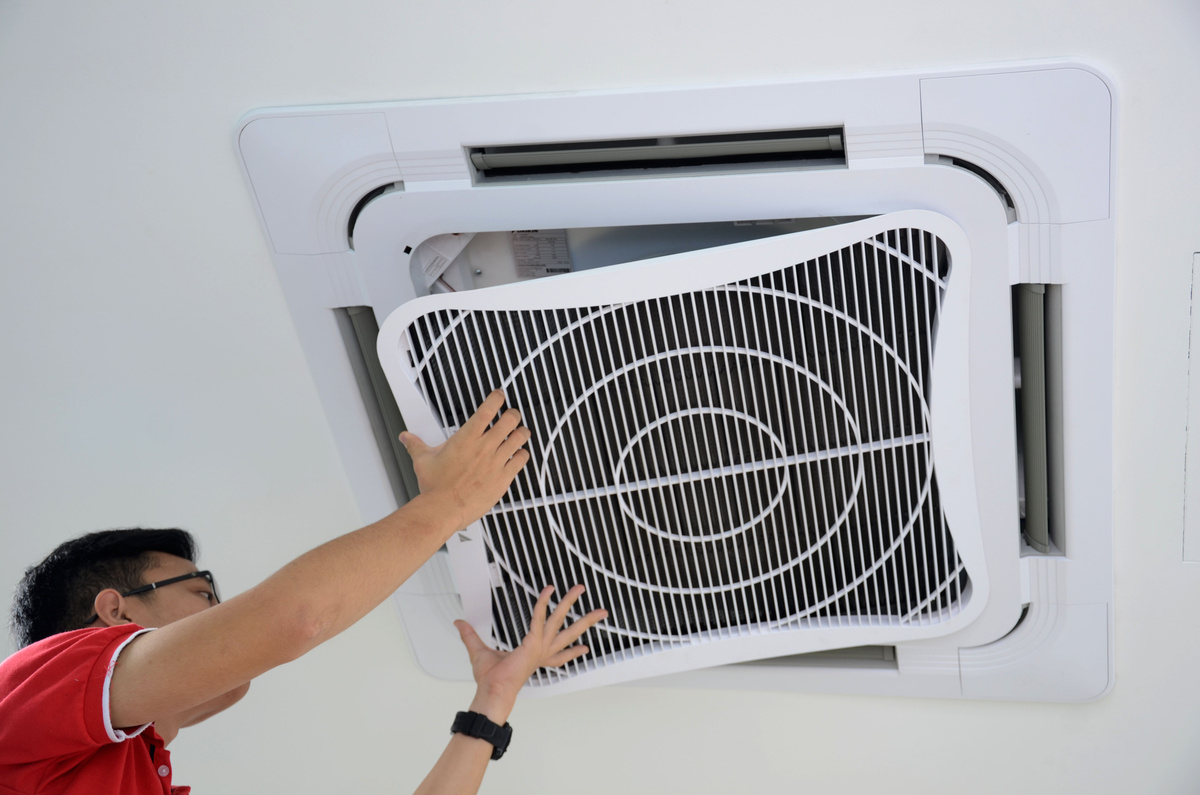
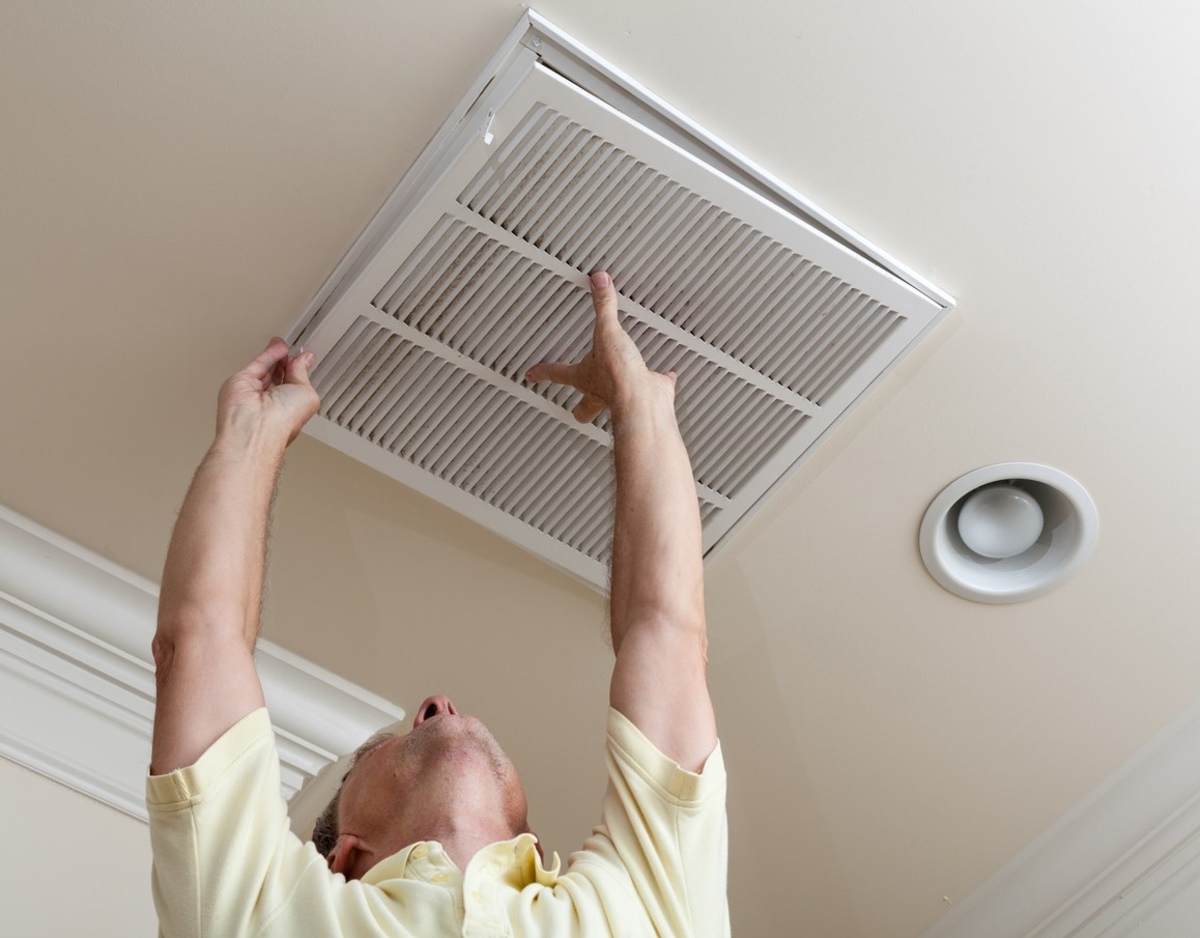
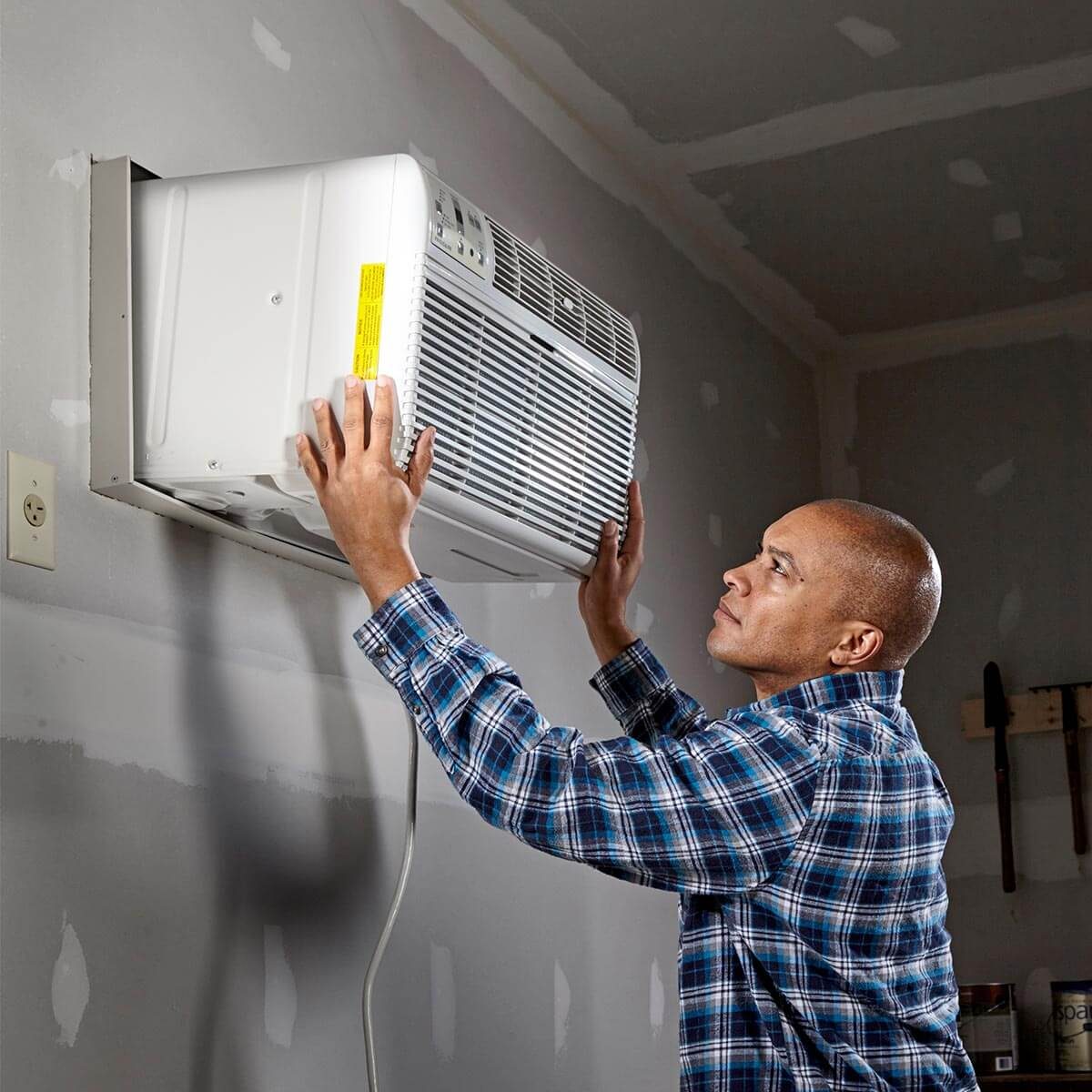
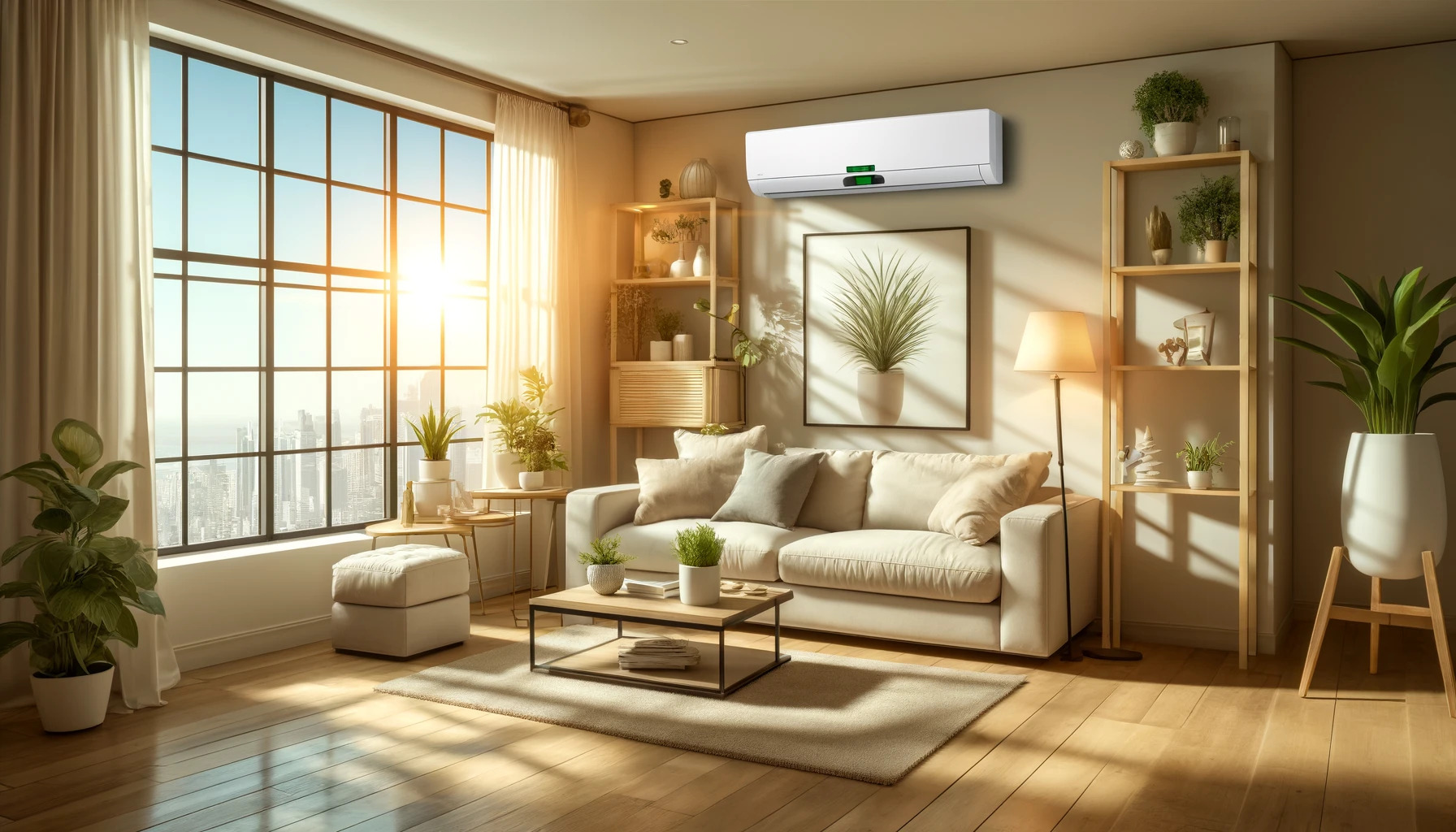
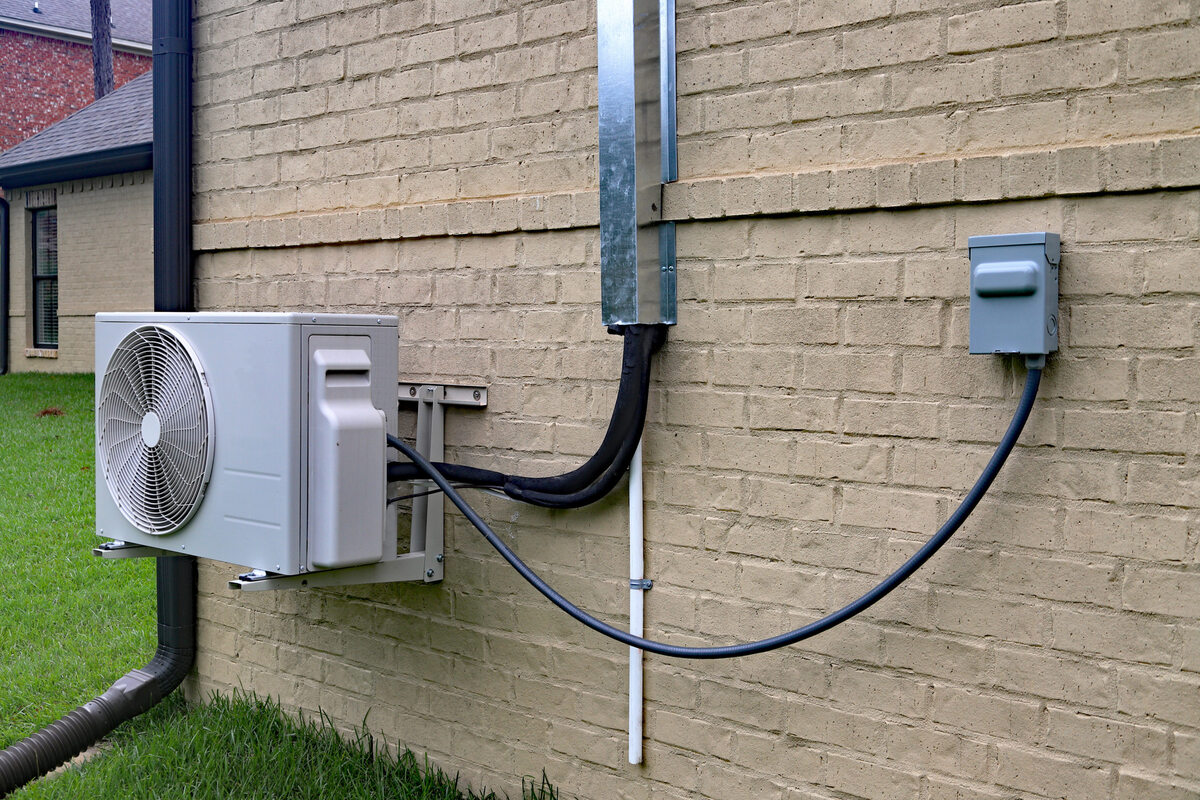
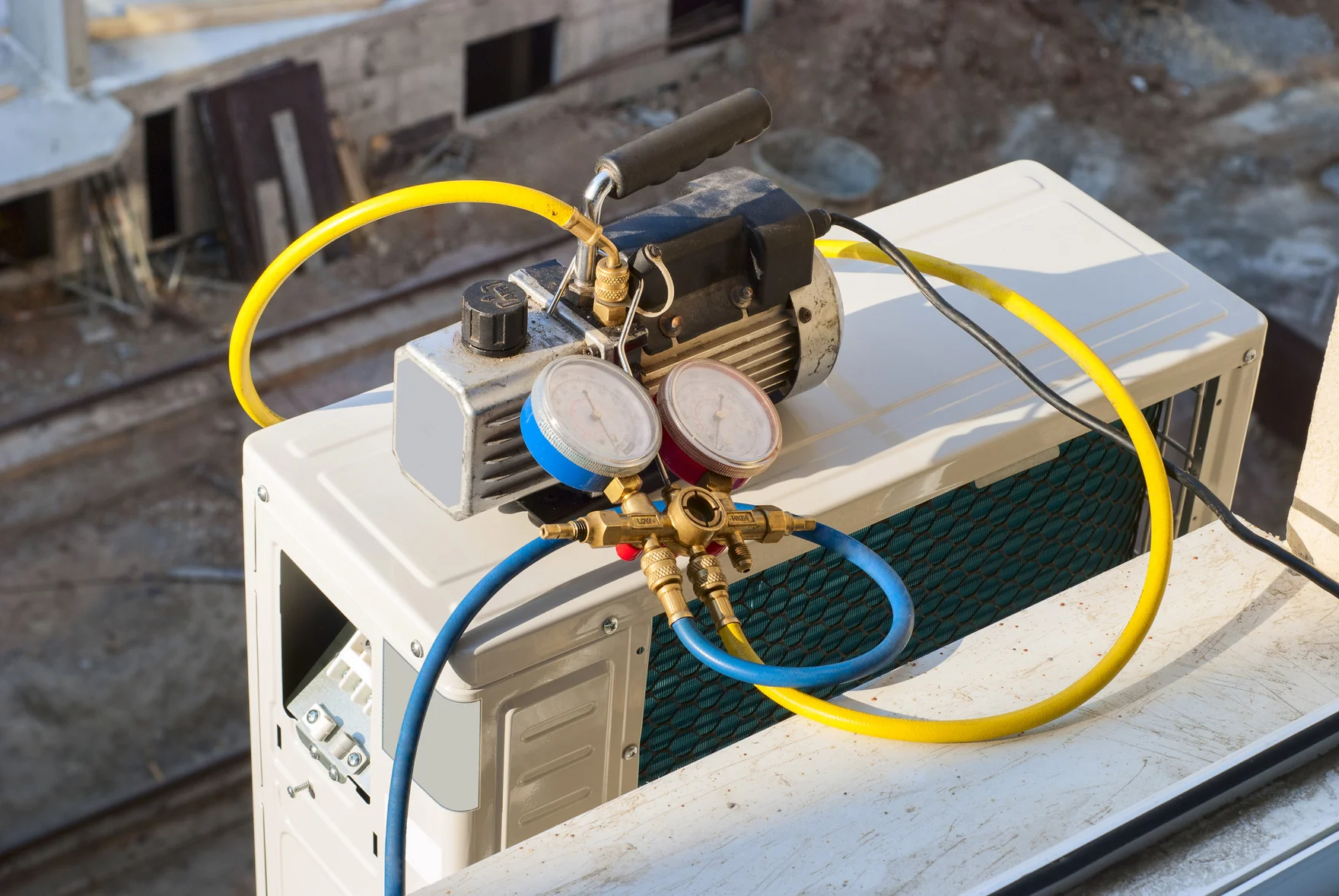
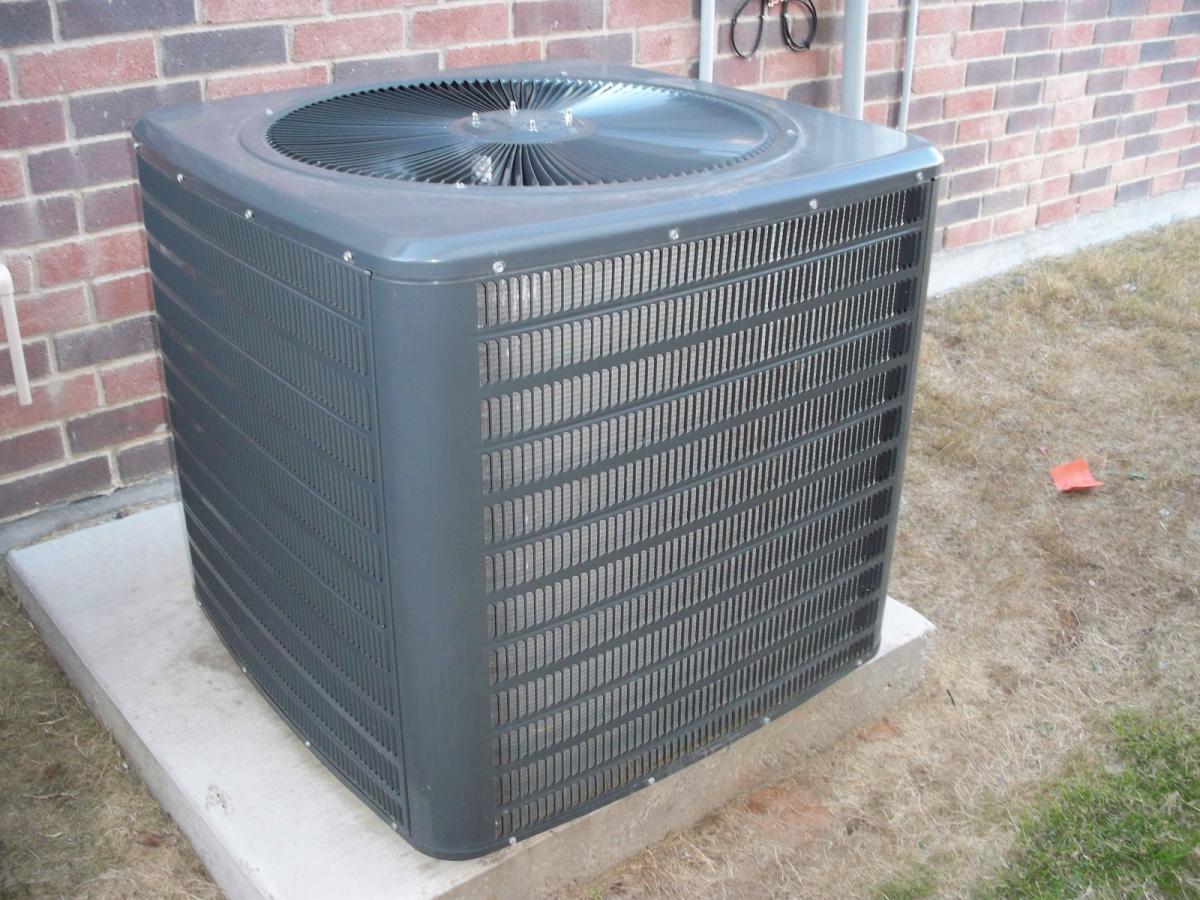
 Cool air holds less moisture than warm air. Properly installed air-conditioning systems remove moisture from the air by taking up warm air, cooling it and circulating the cool, dry air back into the room. A humidistat can be attached to the unit to control the humidity. When using air-conditioners or dehumidifiers, keep windows and doors closed.

 Air movement and good ventilation are excellent at removing moisture. When the air outside is drier than that inside, ventilation allows the dry air to enter, take up excess moisture and then be carried outside. When natural breezes are not sufficient, you can use electric fans placed in a window, set in a wall or vented to the attic to move air from the house.

 Never let clothing or other fabric articles lie around damp or wet. Dry soiled clothes before putting them into the hamper. Stretch out wet shower curtains. Dry washed garments and fabrics thoroughly and quickly. Fabrics dried slowly may get sour and musty smelling-a sign of mold growth.

Odor

Tip: Musty odors, which indicate mold growth, are sometimes noticeable in basements and shower stalls. Take special precautions to get rid of musty odors as soon as possible to prevent further objectionable and damaging mold growth. Usually musty odors disappear if the area is well heated and dried. If the odors remain a service professional is your best bet.

There was a problem returning the RSS feed.


Buyer's Choice Home Inspection 1735 Audubon Trail Lutz, FL 33549
Phone: Fax:

Radon-Information | Staff-Profiles | Contact-Us | Mold | Mfg Homes | Repair Cost Guide | Resources | Lead | Pressure Treated Wood | Plumbing Fundamentals | Lightning Protection | Service Wires | Roof-Siding-Deck-Window | Custom Home Builder News | Home Construction News | Home Building News | Residential Architect News | FVIR Water Heaters | Prepare for Thunderstorms | Perils in Florida | Seller's Checklist | Safety Checklist | Wild Life Control | After the Inspection | Home Maintenance | Senior Safety Tips | Biological Pollutants | Inspection-Guide | Home Safety Tips | Drowning Prevention | Fences FAQ | Resources Links | Tips Inspecting Roof | Styles of Roofs | Roof Slope | Inside Roof Inspection | Outside Roof Inspection | Cool Metal Roof | Site-Directory | Coastal Construction | This Old House | Construction.com | Ask The Builder | Build Your Own Home | Building News | Design & Construction | Housing Zone | Builder - Constructor | Homeowner Resource Site | Do It Yourself Project Videos | Home Improvement Tips | Occupational Safety News | Household & Consumer News | Tampa Bay News | JLC Online | Mr. Fix-It Tips | Spas, Hot-Tubs | Florida Wind Map - New | Wind Map - Hillsborough | Wind Map - Pinellas | Avoiding Wind Damage | FL Bldg Code Changes | Home Interiors | Lightning | Pre-purchase Checklist | Plumbing & HVAC News | Defects Defined | Dryer Vent Safety | Well & Septic Systems | Electric Terminology | Moving Tips | Septic Maintenance | Septic Problems | Roofing Terms | Attic Ventilation | Roof Concerns by Type | Hiring Contractors | Polybutylene | Environment | Roof Ventilation | Other States | Florida | Garage Door Safety | Tap Water Scalds | Building Topics | Thermal Windows | Thermostats | Garage Fire Safety | History of Building Codes | Home Emergencies | Home Lighting | Preventive Maintenance | Home Security | Child Proof Home | Chimney Maintenance | Clean Water Supply | Concrete Slab Maintenance | Deck Maintenance | Health & Safety | HVAC | Homeowner Resources | Technical Resources | New Construction Inspections | 1yr Warranty Inspection | 4-Point Insurance Inspection | Other Types Services | 7-Keys to Find Inspector | Ungrounded Outlets | Simpson Strong-Ties | Construction-Terms | Home Journal | Home Improvement Watch | Discovery Technology | Real Estate News | Electrical News | Construction News | We Are Independent | Roofing Basics | Hurricane | Flood | Thunderstorm | Water Heater Ages | Indoor Air Quality | Masonry Fireplaces | Mold FAQ | Inspector Resources | Home Clinic | How Your House Works | Home Improvement | Plumbing FAQ | FPE Panels | GFCI Outlets | Rewire Old Homes | Surge Protection | Pool Sanitizers | Home Construction | Trusted Broker's Blog | Door Locks Basics | Dryrot Issues | Finding Contractors | Prevent Mildew | Radon Testing & Removal | Rain Gutters | Reading Blue Prints | Remodeling Process | Efficency Ratings | Construction & Building News | Safety Barriers | Landscape and Gardening | Appliance Tips | Carbon Monoxide FAQ | HUD News | CPSC News | Old House WEB | Money Pit | Do It Yourself | Hurricane Information | Storm Prediction Center | Tampa Bay Weather | Link to Us | Entrapment Hazards | Wiring Sizes | Child Safety Tips | For Agents & Brokers | Plumbing Materials | Hurricane Shields | Environmental-Issues | Compare Estimates | On Demand Water Heaters | Overloading Electrical Circuits | Plumbing Systems | Pool Heaters | House to Code? | Automatic Fire Sprinklers | Electricity Basics | Energy Star Ratings | Roof Installation | During Roof Install | Tile Maintenance | Upgrading Electrical System | Water Heater Problems | Weatherstripping | Whole House Fans | Wood Rot | Home - Maintenance | Inspection Process | Roofs | Plumbing | Electrical | Fireplace Maintenance | Fireplaces | Dishwasher Problems | Kitchen and Baths | How Electricity Works | Power Outage | Florida Wind Map - Old | Inspection-Tour | Question | Other Inspectors | ASHI Home Inspections - FAQ | Small Home Repairs | Solar Heating | 13 SEER Systems | Other Inspectors 2 | AC Maintenance Tips | Air Filters | Pool Safety | Energy Conservation | Child Safety | Client-Login | Home-Buyer-Checklist | Download Adobe Acrobat | Tell-a-Friend | Real-Estate-News | FAQ | Real-Estate-Terms | Home | Site Map | Mortgage Calculators | Our-Service-Area | Common Defects | Inspector-Services | Inspection-vs-Appraisal | Inspector-vs-Engineer | New-Home-Inspection | Purchase-Inspection | Septic-Inspection | The Home Inspection | Listing-Inspection | Request Info | Truss-uplift | Maintaining Wells | Mold-in-the-Home | Types-of-wells | Well Inspections | Our-Technology | How-to-prepare | Investment Homes | ASHI-Membership | ASHI-Code-of-Ethics | Choosing an Inspector | HVAC-Issues | Geo-Soils Report | Roofing-Issues | Hidden-Water-Damage | Plumbing-Issues | Termites and Other Pests | Asbestos-Information | Mfg-vs-ModularHomes

Copyright © 2010 Buyer's Choice Home Inspection
Portions Copyright © 2010 a la mode, inc.
Another XSite by a la mode, inc. | Terms of UseSite Map