Home Safety Tips for your Florida Home

Most accidents occur at home and many of them are preventable, so it is important that your home is as safe as possible. Here are some helpful tips from the U.S. Consumer Product Safety Commission on making your home a safer place for everyone. Home safety tips for your Florida home:

Basement

When using power tools, good lighting can reduce the chance that you will accidentally cut your finger. Either install additional light, or avoid working with power tools in the area.

Basement, garages, and storage areas can contain many tripping hazards and sharp or pointed tools that can make a fall even more hazardous. Keep an operating flashlight handy. Have an electrician install switches at each entrance to a dark area.

Replacing a correct size fuse with a larger size fuse can present a serious fire hazard. If the fuse in the box is rated higher than that intended for the circuit, excessive current will be allowed to flow and possibly overload the outlet and house wiring to the point that a fire can begin. Be certain that correct-size fuses are used. (If you do not know the correct sizes, consider having an electrician identify and label the sizes to be used.)

Use a properly connected 3-prong adapter for connecting a 3-prong plug to a 2-hole receptacle. Consider replacing old tools that have neither a 3-prong plug nor are double insulated.

Power tools used with guards removed pose a serious risk of injury from sharp edges or moving parts. Replace guards that have been removed from power tools.

Improperly grounded appliances can lead to electric shock. Check with your service person or an electrician if you are in doubt.

If containers of flammable and volatile liquids are not tightly closed, vapors may escape that may be toxic when inhaled. Check containers periodically to make sure they are tightly closed. Gasoline, kerosene, and other flammable liquids should be stored out of living areas in properly labeled, non-glass safety containers. Remove these products from the areas near heat or flame such as heaters, furnaces, water heaters, ranges, and other gas appliances.

Death may occur when people swallow such everyday substances as charcoal lighter, paint thinner and remover, antifreeze and turpentine. These poisons should have child-resistant caps, be stored in the original containers with the original labels, and be kept locked up out of sight and reach of children.

Bathroom

A light switch near the bathroom door will prevent you from walking through a dark area. Install a night light. Inexpensive lights that plug into outlets are available. Consider replacing the existing switch with a "glow switch" that can be seen in the dark.

Electrical appliances and power cords can cause shock or electrocution if they come in contact with water. Consider adding new outlets for convenience and safety; ask your electrician to install outlets equipped with ground fault circuit interrupters (GFCIs) to protect against electric shock. A GFCI is a shock-protection device that will detect electrical fault and shut off electricity before serious injury or death occurs.

Wet soapy tile or porcelain surfaces are especially slippery and may contribute to falls. Apply textured strips or appliqués on the floors of tubs and showers. Use non-skid mats in the tub and shower, and on the bathroom floor.

Grab bars can help you get into and out of your tub or shower, and can help prevent falls. Check existing bars for strength and stability, and repair if necessary. Attach grab bars through the tile to structural supports in the wall, or install bars specifically designed to attach to the sides of the bathtub.

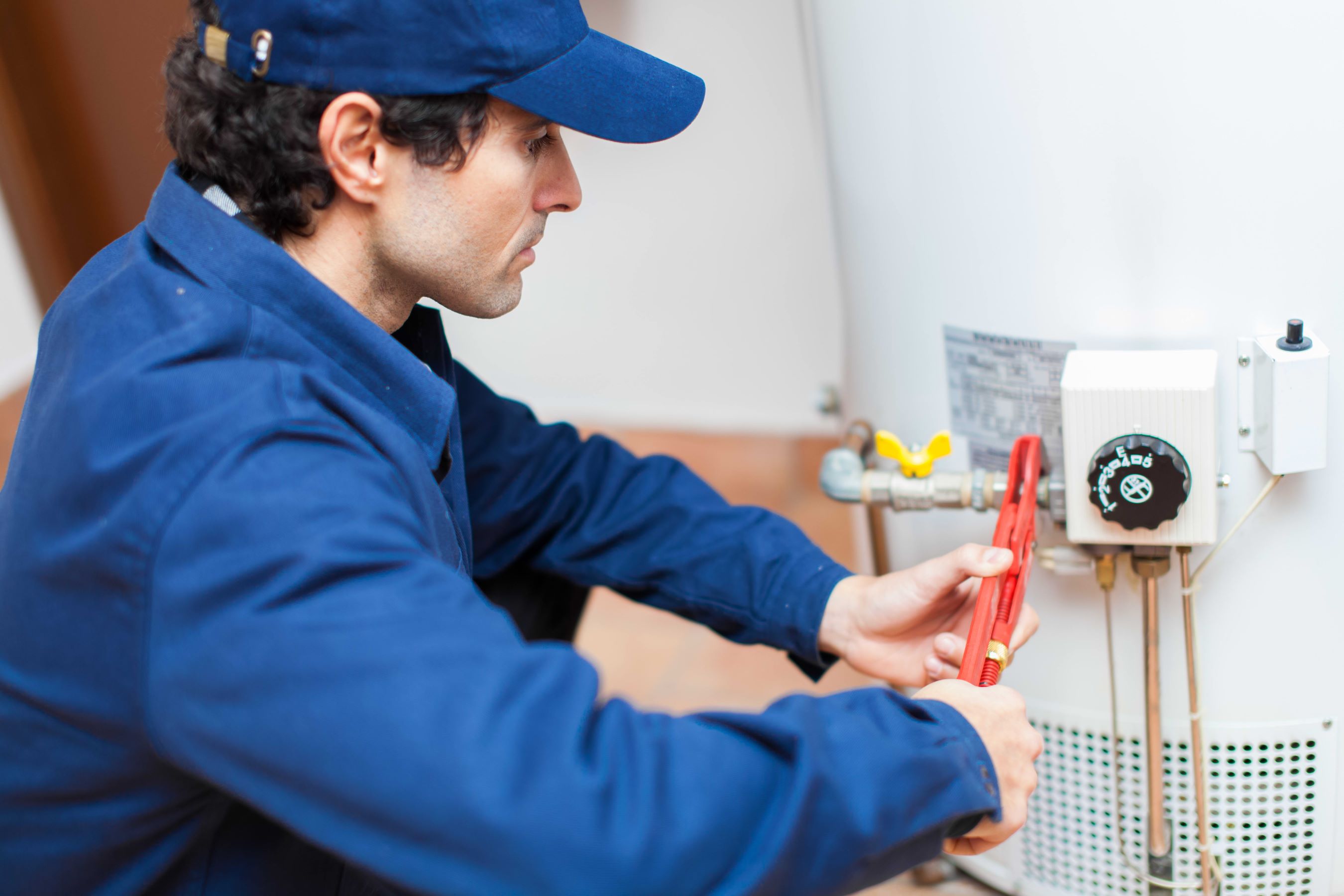
Water temperature above 120 degrees can cause tap water scalds. Lower the setting on your hot water heater to "Low" or 120 degrees. If you are unfamiliar with the controls of your water heater, ask a qualified person to adjust it for you. If your hot water system is controlled by the landlord, ask the landlord to consider lowering the setting. If the water heater does not have a temperature setting, you can use a thermometer to check the

temperature of the water at the tap. Always check water temperature by hand before entering bath or shower. Taking baths, rather than showers, reduces the risk of a scald from suddenly changing water temperatures.

Grandparents should use child-resistant vials if they are able to. Although grandparents may get traditional easy-to-open closures by asking their pharmacist for them, the child-resistant vials should be used whenever children are around.

Store all medicines separately from household products, and store all household chemical products away from food. Keep items in their original containers. Leave the original labels on all products, and read the label before using. Always leave the light on when giving or taking medicines. Clean out the medicine cabinet periodically, and safely dispose of unneeded medicines when the illness for which they were prescribed is over. Pour contents down drain or toilet, and rinse container before discarding. Turn on a light at night and put on your glasses to read the label when you need to take a medicine. If any questions arise, consult your physician. Never mix medicines and alcohol, and never take more than the prescribed amount of medicine. Never "borrow" a friend's medicine or take old medicines. Tell your doctor what other medicines you are taking so you can avoid adverse drug interactions.

Bedroom

Lamps or switches located close to each bed will enable people getting up at night to see where they are going. Rearrange furniture closer to switches or move lamps closer to beds. Install night lights.

Use electric blankets according to the manufacturer's instructions. Don't allow anything on top of the blanket while it is in use. (This includes other blankets or comforters, even pets sleeping on top of the blanket.) Don't set electric blankets so high that they could burn someone who falls asleep while they are on. Never go to sleep with a heating pad if it is turned on because it can cause serious burns even at relatively low settings.

In case of an emergency, it is important to be able to reach the telephone without getting out of bed. Do not smoke in bed. Smoking in bed is a major cause of accidental fire deaths in homes.

Locate heaters or other fire sources three feet from the bed to prevent the bed from catching on fire.

Garage

Take extra precautions in storing and using flammable liquids, such as gasoline, paint thinners, etc. They produce invisible explosive vapors that can ignite by a small spark at considerable distances from the flammable substance. Store outside the house.

Basement, garages, and storage areas can contain many tripping hazards and sharp or pointed tools that can make a fall even more hazardous. Keep an operating flashlight handy. Have an electrician install switches at each entrance to a dark area. 

Death may occur when people swallow such everyday substances as charcoal lighter, paint thinner and remover, antifreeze and turpentine. These poisons should have child-resistant caps, be stored in the original containers with the original labels, and be kept locked up out of sight and reach of children.

General

Purchase a smoke detector if you do not have one. Smoke detectors are inexpensive and are required by law in many localities. Check local codes and regulations before you buy your smoke detector because some codes require specific types of detectors. They provide an early warning which is critical because the longer the delay, the deadlier the consequences. Read the instructions that come with the detector for advice on the best place to install it. At a minimum, detectors should be located near bedrooms and one on every floor. Follow the manufacturer's instructions for proper maintenance. Never disconnect a detector. Consider relocating the detector rather than disconnecting it if it is subject to nuisance alarms, e.g. from cooking. Replace the battery annually, or when a "chirping" sound is heard.

Be sure that the chimney and stovepipe were installed correctly in accordance with the manufacturer's recommendations and local codes. If there is any doubt, a building inspector or fire official can determine whether the system is properly installed. Minimize creosote formation by using proper stove size and avoiding use of low damper settings for extended periods of time. Have the chimney checked and cleaned routinely by a chimney "sweep" at least once a year. Inspect it frequently, as often as twice a month if necessary, and clean when a creosote buildup is noted.

Never use charcoal to cook or provide heat inside enclosed areas such as tents, campers, vans, cars, trucks, homes, garages, or mobile homes because the carbon monoxide can kill you.

Establish advanced family planning for escape. It is an important partner with smoke detectors and it will prepare you for a fire emergency.

Arrange furniture so that outlets are available for lamps and appliances without the use of extension cords. If you must use an extension cord, place it on the floor against a wall where people cannot trip over it. Remove cords from under furniture or carpeting. Replace damaged or frayed cords. If the rating on the cord is exceeded because of the power requirements of one or more appliances being used on the cord, change the cord to a higher rated one or unplug some appliances.

Remove rugs and runners that tend to slide. Apply double-faced adhesive carpet tape or rubber matting to the backs of rugs and runners. Purchase rugs with slip-resistant backing. Over time, adhesive on tape can wear away. Rugs with slip-resistant backing also become less effective as they are washed.

Telephone numbers for the Police, Fire Department, and local Poison Control Center, along with a neighbor's number, should be readily available. Write the numbers in large print and tape them to the phone, or place them near the phone where they can be seen easily.

Have at least one telephone located where it would be accessible in the event of an accident which leaves you unable to stand.

Unusually warm or hot outlets or switches may indicate that an unsafe wiring condition exists. Unplug cords from outlets and do not use the switches. Have an electrician check the wiring as soon as possible.

Un-vented heaters should be used with room doors open or window slightly open to provide ventilation. The correct fuel, as recommended by the manufacturer, should always be used. Vented heaters should have proper venting, and the venting system should be checked frequently. Improper venting is the most frequent cause of carbon monoxide poisoning, and older consumers are at special risk.

If you don't have a step stool, consider buying one. Choose one with a handrail that you can hold onto while standing on the top step. Before climbing on any step stool, make sure it is fully opened and stable. Tighten screws and braces on the step stool. Discard step stools with broken parts.

For all stairways, check lighting, handrails, and the condition of the steps and coverings. Stairs should be lighted so that each step, particularly the step edges, can be clearly seen while going up and down stairs. Consider refinishing or replacing worn treads, or replacing worn carpeting. Worn or torn coverings or nails sticking out from coverings could snag your foot or cause you to trip. The lighting should not produce glare or shadows along the stairway. You should be able to turn on the lights before you use the stairway from either end. If no other light is available, keep an operating flashlight in a convenient location at the top and bottom of the stairs. People can trip over objects left on stairs, particularly in the event of an emergency or fire. Remove all objects from the stairway.

Lead-based paint is a major source of lead poisoning for children and can also affect adults. In children, lead poisoning can cause irreversible brain damage and can impair mental functioning. In adults, it can cause irritability, poor muscle coordination, and nerve damage to the sense organs and nerves controlling the body. If you have lead-based paint, you should take steps to reduce your exposure to lead. Avoid activities that will disturb or damage lead-based paint and create dust. Contact your state and local health departments' lead poisoning prevention programs and housing authorities for information about testing labs and contractors who can safely remove lead-based paint.

Your home might have plumbing with lead or lead solder. Call your local health department or water supplier to find out about testing your water. You cannot see, smell, or taste lead, and boiling your water will not get rid of lead. If you think your plumbing might have lead in it, use only cold water for drinking and cooking. Run water for 15 to 30 seconds before drinking it, especially if you have not used your water for a few hours.

Regularly have a professional check your spa or hot tub and make sure it is in good, safe working condition, and that drain covers are in place and not cracked or missing. Check the drain covers yourself throughout the year. Know where the cut-off switch for your pump is so you can turn it off in an emergency. Be aware that consuming alcohol while using a spa could lead to drowning. Keep the temperature of the water in the spa at 104 degrees Fahrenheit or below.

If possible, change the water in your room humidifier daily. Empty the tank before you fill it. Clean your room humidifier well and often during the heating season. Be sure to unplug the humidifier before cleaning. Follow the manufacturer's suggested cleaning methods. If chlorine bleach or other cleaning product or disinfectant is used, make sure to rinse the tank well to avoid breathing harmful chemicals.

Operate portable electric heaters away from combustible materials. Do not place heaters where towels or the like could fall on the appliance and trigger a fire. Avoid using extension cords unless absolutely necessary. If you must use an extension cord with your electric heater, make sure it is marked with a power rating at least as high as that of the heater itself. Keep the cord stretched out. Do not permit the cord to become buried under carpeting or rugs. Do not place anything on top of the cord. Never place heaters on cabinets, tables, furniture or the like. Never use heaters to dry wearing apparel or shoes.

Always check to see that cigarettes are extinguished before emptying ashtrays. Stubs that are still burning can ignite trash.

Look for furniture designed to reduce the likelihood of furniture fire from cigarettes. Much of the furniture manufactured today has significantly greater resistance to ignition by cigarettes than upholstered furniture manufactured 10 to 15 years ago. This is particularly true of furniture manufactured to comply with the requirements of the Upholstered Furniture Action Council's (UFAC) Voluntary Action Program. Such upholstered furniture may be identified by the gold colored tag on the furniture item.

The legend on the front of the tag in red letters states -- "Important Consumer Safety Information from UFAC."

Always check the furniture where smokers have been sitting for improperly discarded smoking materials. Ashes and lighted cigarettes can fall unnoticed behind or between cushions or under furniture. Do not place or leave ashtrays on the arms of chairs where they can be knocked off.

Consider fabrics such as 100 percent polyester, nylon, wool and silk that are difficult to ignite and tend to self extinguish. Consider purchasing garments that can be removed without having to pull them over the head. Clothes that are easily removed can help prevent serious burns. If a garment can be quickly stripped off when it catches fire, injury will be far less severe or avoided altogether.

Kitchen

Never place or store pot holders, plastic utensils, towels and other non-cooking equipment on or near the range because these items can be ignited.

Roll up or fasten long loose sleeves with pins or elastic bands while cooking. Do not reach across a range while cooking. Long loose sleeves are more likely to catch on fire than are short sleeves. Long loose sleeves are also more apt to catch on pot handles, overturning pots and pans and cause scalds.

Keep constant vigilance on any cooking that is required above the "keep warm" setting.

Know where the "danger" items are -- medicines, toxic bleaches, oven and drain cleaners, paint solvents, polishes, and waxes. Look for items packaged in child-resistant containers. Don't leave them under a sink or in plain view in a garage -- lock them away in a secure place, out of a child's sight and reach.

Yard

A swimming pool should have a fence or barrier surrounding all four sides with self-closing and self-latching gates. If the house is part of the barrier, all doors leading from the house to the pool should be protected with an alarm. Position latches out of reach of young children. Keep all doors and windows leading to the pool area secure to prevent small children from getting to the pool.

Never leave a child unsupervised near a pool. During social gatherings at or near a pool, appoint a "designated watcher" to protect young children from pool accidents. Adults may take turns being the "watcher." When adults become preoccupied, children are at risk. If a child is missing, check the pool first. Seconds count in preventing death or disability. Go to the edge of the pool and scan the entire pool, bottom and surface, as well as the pool area.

Place tables and chairs well away from the pool fence to prevent children from climbing into the pool area.

Have a telephone at poolside to avoid having to leave children unattended in or near the pool to answer a telephone elsewhere. Keep emergency numbers at the poolside telephone.

Learn CPR (cardiopulmonary resuscitation). Keep rescue equipment by the pool.

Divers should observe the following precautions. Never dive into above-ground pools. They are too shallow. Don't dive from the side of an in-ground pool. Enter the water feet first. Dive only from the end of the diving board and not from the sides. Dive with your hands in front of you and always steer up immediately upon entering the water to avoid hitting the bottom or sides of the pool. Don't dive if you have been using alcohol or drugs because your reaction time may be too slow. Improper use of pool slides presents the same danger as improper diving techniques. Never slide down head first; slide down feet first only.

Always store pesticides away from children's reach, in a locked cabinet or garden shed. Read the label first and follow the directions to the letter, including all precautions and restrictions. Before applying pesticides (indoors and outdoors), remove children and their toys from the area and keep them away until it is dry or as recommended by the label. Never leave pesticides unattended when you are using them -- not even for a few minutes. Never transfer pesticides to other containers -- children may associate certain containers with food or drink. Use child-resistant packaging properly by closing the container tightly after use. Alert others to the potential hazard, especially grandparents and caregivers.

Use paint strippers outdoors if possible. If you must use them indoors, cross-ventilate by opening all doors and windows. Make sure there is fresh air movement throughout the room. Ventilate the area before, during, and after applying and stripping. Never use any paint stripper in a poorly ventilated area. If work must be done indoors under low ventilation conditions, consider having the work done professionally instead of attempting it yourself. Do not use flammable paint strippers near any source of sparks, flame, or high heat. Do not work near gas stoves, kerosene heaters, gas or electric water heaters, gas or electric clothes dryers, gas or electric furnaces, gas or electric space heaters, sanders, buffers, or other electric hand tools. Open flames, cigarettes, matches, lighters, pilot light, or electric sparks can cause the chemicals in the paint strippers to suddenly catch fire.

Google
 
Web www.BuyersChoiceInspections.com
Home Safety and Security
 
Home Safety for Your Children
1/1/0001 12:00 AM
Providing a safe environment for your child is one of the most important factors in how they will grow up. Ensuring your children are safe at all times can be a very difficult task but it is important to do your best to ensure they live in an... ......
 
Visions of Sugar Plums and Holiday Safety
1/1/0001 12:00 AM
Ho, Ho, Ho, Holiday greetings to you! Every year at this time I can't help but notice the beautiful holiday lighting and adornment. It's great to see that even homes with a For Sale sign on the front lawn have been bedazzled with lights! But this... ......
 
Home Fire Safety
1/1/0001 12:00 AM
Home Fire Safety By Erby Crofutt, B4U Close Home Inspections www.b4uclose.com Is your home as Fire Safe as you can make it? The answers to these questions will help determine if your home is as safe as you can make it. * Do you... ......
 
Got Attic Mold? Lets Talk Energy Conservation!
1/1/0001 12:00 AM
It happens to countless homeowners around the end of the year - you make the annual visit to your attic to collect the holiday decorations and what do you find? Spots and blotches covering the bottom of the roof sheathing. Worse yet - it turns... ......
 
Checking for Asbestos in Your Home
1/1/0001 12:00 AM
If you are concerned about asbestos exposure you are not alone. Many individuals wonder if they have been exposed, and if so, what they can do to help protect their health. If you think that you have been exposed to asbestos or are looking for... ......
 
Radon Gas in Homes and Lung Cancer
1/1/0001 12:00 AM
Unsuspecting homeowners may not realize the full risks associated with Radon gas in their homes. Increasing evidence suggests that Radon gas is the most underestimated cause of Lung Cancer. Radon gas can occur anywhere, however some areas of the... ......
 
Allow Me to Introduce You to the Fungus Family
1/1/0001 12:00 AM
What exactly is mold? There are over 100,000 different kinds of mold in the world so it is literally everywhere. Molds are organisms and are members of the fungus family. Mushrooms, mildew and yeast are also part of this lucky family. They have... ......
 
Dryer Fires - Is Yours Ready To Ignite
1/1/0001 12:00 AM
In recent years there has been many rumours about dryers catching on fire. Should we be concerned? Yes of course. We should take seriously anything that may put our family at risk. Was the problem the dryer? Rarely. After investigating it is... ......
 
Electrical Safety in the home
1/1/0001 12:00 AM
Electricity is a wonderful part of our lives, clearly enabling us to do so many of the things we take for granted. Food preparation, entertainment, communication, and so much more are all dependent upon the delivery of electricity. And yet,... ......
 
Common Sense Fire Safety
1/1/0001 12:00 AM
This will come as no great surprise, but did you know that the majority of house fires are the result of cooking? In fact, studies show that cooking results in approximately 400,000 fires every year in single family homes and multiple... ......


Home Safety and Security
 
How to Prevent Identity Theft in 8 Ways Posted By : Annette D. Wilson
2/14/2008 12:00 AM
Have you been pursued by your lenders to pay for past-due bills that you never made? Or have you been denied credit because of unpaid bills on your credit report even if you know you have been paying your debts religiously? Then you might have been a victim identity theft......
 
Hooking Up With Wireless Posted By : Jake Phillips
1/11/2008 12:00 AM
With crime on the rise, home security systems are a must have. With burglars becoming more and more savvy, you simply must protect your loved ones as well as your possessions......
 
Have No Fear! Security Is Here! Posted By : Jake Phillips
1/11/2008 12:00 AM
Home Security Cameras Systems allow homeowners the luxury of knowing what's going on at home while they're away from the room or from the house. Systems can be set up to monitor everything from appliances and temperature to the conduct of people inside the home. Total customization is available and doesn't have to be costly......
 
Effective Security Systems and Identifying Breeches Posted By : Jake Phillips
1/11/2008 12:00 AM
The practice of good security procedures is vital to the protection of our homes and businesses in todays society. Not only do we seek to protect our families but also if you are an employer you must keep employees from unnecessary exposure to risk......
 
Dont Be Caught Without Security! Posted By : Jake Phillips
1/11/2008 12:00 AM
Home security camera systems are becoming increasingly popular as price and ease of use continue to improve. Homeowners and Business owners can benefit from using the systems......
 
Doggone Good Advice for Home Security Posted By : Jake Phillips
1/11/2008 12:00 AM
When the topic of home security springs to mind, most people seem to think of burglar alarms and little to nothing else. Alarms can be a great way to protect your home, although they are only a small part of what makes up an effective home security system......
 
Buying A New Home With Security Posted By : Jake Phillips
1/11/2008 12:00 AM
When looking to buy a house, the location of the house is very important. Most people want to buy a home in a decent neighborhood, and often remain in their home for many years to come......
 
How an Easy Background Check for Criminal Records Can Save Your Life. Posted By : Sherry Han
1/4/2008 12:00 AM
In this day and age, how do you know that someone is always telling you the truth? Even if he or she is very close to you, you can never be sure. Many criminals live pretty normal lives in the eyes of others. They have jobs, shop, and participate in community events just like you. Who knows what they are doing behind closed doors......
 
Home Security System Posted By : bartjan123
12/18/2007 12:00 AM
Information about Home Security System......
 
Wireless Home Security- To Protect and Serve! Posted By : Jake Phillips
12/17/2007 12:00 AM
Home security has evolved into more than deadbolts and peepholes in doors......


Buyer's Choice Home Inspection 1735 Audubon Trail Lutz, FL 33549
Phone: Fax:

Radon-Information | Staff-Profiles | Contact-Us | Roof Installation | During Roof Install | Tile Maintenance | Upgrading Electrical System | Water Heater Problems | Weatherstripping | Whole House Fans | Wood Rot | Home - Maintenance | Inspection Process | Roofs | Plumbing | Electrical | Fireplace Maintenance | Fireplaces | Dishwasher Problems | Kitchen and Baths | How Electricity Works | Inspection-Tour | Question | Power Outage | Florida Wind Map - Old | Appliance Tips | Carbon Monoxide FAQ | HUD News | CPSC News | Old House WEB | Money Pit | Do It Yourself | Hurricane Information | Storm Prediction Center | Tampa Bay Weather | Link to Us | Entrapment Hazards | Wiring Sizes | Child Safety Tips | For Agents & Brokers | Plumbing Materials | Hurricane Shields | Environmental-Issues | Compare Estimates | Mold | Mfg Homes | Repair Cost Guide | Resources | Lead | Pressure Treated Wood | Plumbing Fundamentals | Lightning Protection | Service Wires | Roof-Siding-Deck-Window | Custom Home Builder News | Home Construction News | Home Building News | Residential Architect News | FVIR Water Heaters | Prepare for Thunderstorms | Perils in Florida | Seller's Checklist | Safety Checklist | Wild Life Control | After the Inspection | Home Maintenance | Senior Safety Tips | Biological Pollutants | Inspection-Guide | Home Safety Tips | Drowning Prevention | Fences FAQ | Resources Links | Tips Inspecting Roof | Styles of Roofs | Roof Slope | Inside Roof Inspection | Outside Roof Inspection | Cool Metal Roof | Site-Directory | Occupational Safety News | Household & Consumer News | Tampa Bay News | JLC Online | Mr. Fix-It Tips | Spas, Hot-Tubs | Florida Wind Map - New | Wind Map - Hillsborough | Wind Map - Pinellas | Avoiding Wind Damage | FL Bldg Code Changes | Home Interiors | Lightning | Pre-purchase Checklist | Plumbing & HVAC News | Defects Defined | Dryer Vent Safety | Well & Septic Systems | Electric Terminology | Inspector Resources | Home Clinic | How Your House Works | Home Improvement | Finding Contractors | FPE Panels | GFCI Outlets | Rewire Old Homes | Surge Protection | Pool Sanitizers | Home Construction | Trusted Broker's Blog | Door Locks Basics | Dryrot Issues | Plumbing FAQ | Moving Tips | Septic Maintenance | Septic Problems | Roofing Terms | Attic Ventilation | Roof Concerns by Type | Hiring Contractors | Polybutylene | Environment | Roof Ventilation | Other States | Florida | Garage Door Safety | Tap Water Scalds | Building Topics | Thermal Windows | Thermostats | Garage Fire Safety | History of Building Codes | Home Emergencies | Home Lighting | Preventive Maintenance | Home Security | Child Proof Home | Chimney Maintenance | Clean Water Supply | Concrete Slab Maintenance | Deck Maintenance | Health & Safety | HVAC | Homeowner Resources | Technical Resources | New Construction Inspections | 1yr Warranty Inspection | 4-Point Insurance Inspection | Other Types Services | 7-Keys to Find Inspector | Ungrounded Outlets | Simpson Strong-Ties | Construction-Terms | Home Journal | Home Improvement Watch | Discovery Technology | Real Estate News | Electrical News | Construction News | We Are Independent | Roofing Basics | Hurricane | Flood | Thunderstorm | Water Heater Ages | Indoor Air Quality | Masonry Fireplaces | Mold FAQ | On Demand Water Heaters | Overloading Electrical Circuits | Plumbing Systems | Pool Heaters | House to Code? | Automatic Fire Sprinklers | Other Inspectors | ASHI Home Inspections - FAQ | Small Home Repairs | Solar Heating | 13 SEER Systems | Other Inspectors 2 | AC Maintenance Tips | Air Filters | Pool Safety | Energy Conservation | Child Safety | Electricity Basics | Energy Star Ratings | Prevent Mildew | Radon Testing & Removal | Rain Gutters | Reading Blue Prints | Remodeling Process | Efficency Ratings | Construction & Building News | Safety Barriers | Landscape and Gardening | Coastal Construction | This Old House | Construction.com | Ask The Builder | Build Your Own Home | Building News | Design & Construction | Housing Zone | Builder - Constructor | Homeowner Resource Site | Do It Yourself Project Videos | Home Improvement Tips | Client-Login | Home-Buyer-Checklist | Download Adobe Acrobat | Tell-a-Friend | Real-Estate-News | FAQ | Real-Estate-Terms | Home | Site Map | Mortgage Calculators | Our-Service-Area | Common Defects | Inspector-Services | Inspection-vs-Appraisal | Inspector-vs-Engineer | New-Home-Inspection | Purchase-Inspection | Septic-Inspection | The Home Inspection | Listing-Inspection | Request Info | Truss-uplift | Maintaining Wells | Mold-in-the-Home | Types-of-wells | Well Inspections | Our-Technology | How-to-prepare | Investment Homes | ASHI-Membership | ASHI-Code-of-Ethics | Choosing an Inspector | HVAC-Issues | Geo-Soils Report | Roofing-Issues | Hidden-Water-Damage | Plumbing-Issues | Termites and Other Pests | Asbestos-Information | Mfg-vs-ModularHomes

Copyright © 2008 Buyer's Choice Home Inspection
Portions Copyright © 2008 a la mode, inc.
Another XSite by a la mode, inc. | Terms of UseSite Map