

Articles
How Many Lamps Should Be In A Living Room
Modified: February 24, 2024
Get ideas for articles on how many lamps to use in a living room. Discover the perfect lighting setup for your space and create a cozy ambiance.
(Many of the links in this article redirect to a specific reviewed product. Your purchase of these products through affiliate links helps to generate commission for Storables.com, at no extra cost. Learn more)
Introduction
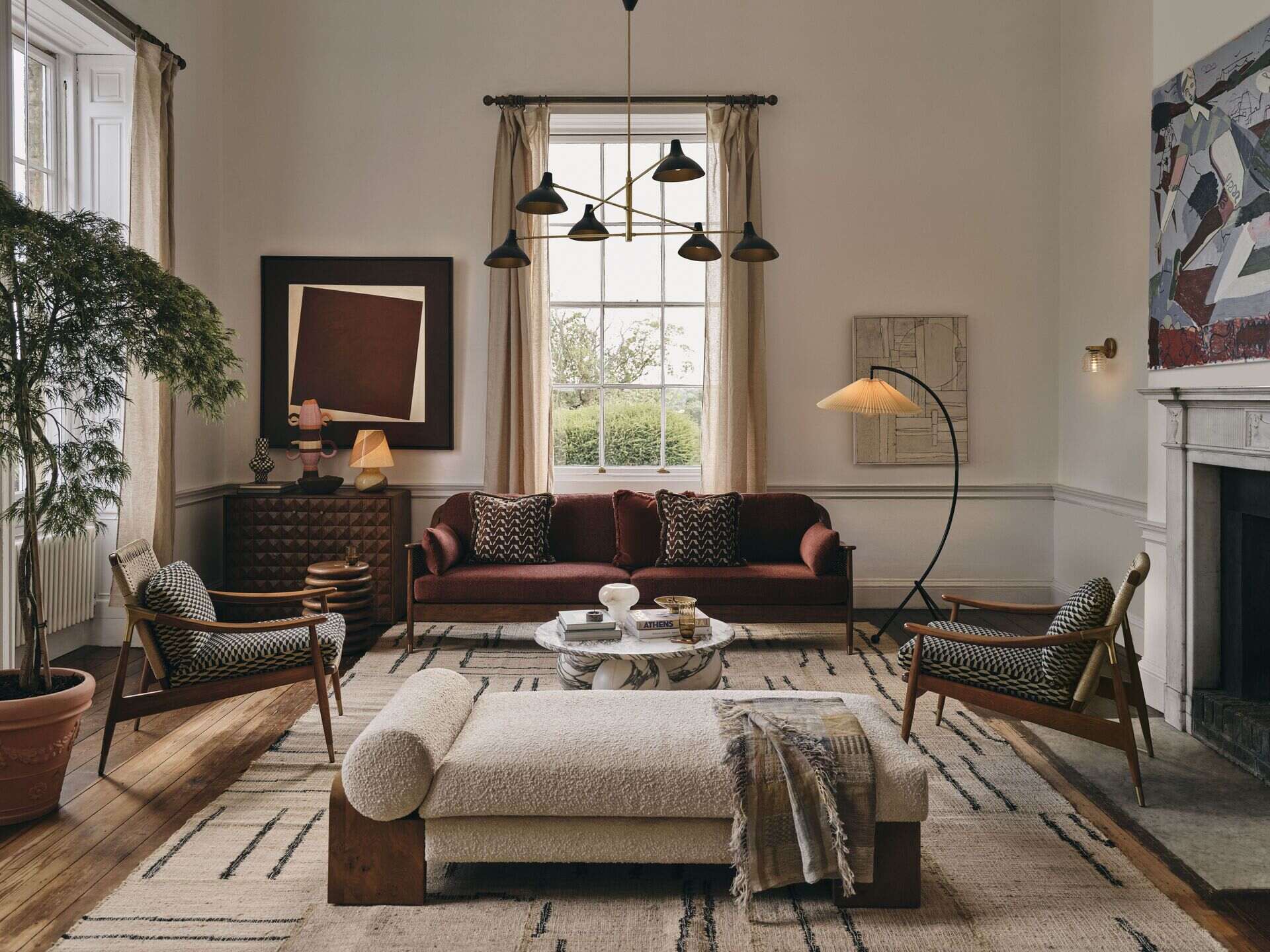
In a living room, lamps play a crucial role in creating a warm and inviting atmosphere. They not only provide functional lighting but also contribute to the overall aesthetic and ambiance of the space. Choosing the right number of lamps for a living room can greatly impact its functionality and visual appeal.
So, how many lamps should you have in a living room? The answer to this question depends on various factors, including the size of the room, its purpose and functionality, the style and decor, the amount of natural lighting, and the furniture arrangement. By considering these factors and making informed decisions, you can create a well-lit and visually pleasing living room.
In this article, we will delve deeper into the importance of lamps in a living room and explore the factors to consider when determining the number of lamps. We will also discuss different types of lamps suitable for a living room and provide tips on choosing the right ones. Additionally, we will discuss the proper placement of lamps to create an optimal lighting arrangement in your living room.
So, whether you’re setting up a new living room or looking to revamp the existing space, read on to discover how to make the most of lamps to enhance the functionality and style of your living room.
Key Takeaways:
- Proper placement of lamps is crucial for balanced lighting, avoiding dark corners, and creating a visually appealing living room. Consider task, accent, and ambient lighting to enhance the overall ambiance.
- When choosing lamps, balance functionality and style to complement your living room’s decor. Experiment with different placements and types of lamps to achieve a well-lit and inviting space that suits your lifestyle.
Read more: How Tall Should A Living Room Lamp Be
Importance of Lamps in a Living Room
Lamps serve a multifaceted purpose in a living room, making them an essential component of the overall design and functionality of the space. Here are a few reasons why lamps are important:
- Lighting: One of the primary functions of lamps is to provide additional lighting in a living room. They help create a well-lit environment, especially during the evening or in rooms with limited natural light. Lamps can illuminate specific areas such as reading nooks, seating areas, or accent pieces, enhancing the overall visibility and functionality of the space.
- Ambiance: Lamps play a significant role in establishing the desired ambiance in a living room. By choosing the right type of lamp and adjusting the brightness level, you can create a cozy, relaxing atmosphere or a vibrant, energetic one. The soft, warm glow of a lamp can instantly make a living room feel more inviting and comfortable.
- Decorative Element: Lamps come in various designs, sizes, and styles, making them versatile decor pieces. They can act as statement pieces or blend seamlessly with the existing interior design. Lamps with unique bases, shades, or sculptural elements can add a touch of personality and visual interest to a living room, making it more aesthetically pleasing.
- Task Lighting: In addition to serving as general lighting, lamps can also provide focused task lighting. By placing a lamp on a side table or desk, you can create a dedicated space for activities such as reading, working, or hobbies. Task lighting from a lamp can reduce eye strain and increase productivity in specific areas of the living room.
- Flexibility: Unlike ceiling lights or overhead fixtures, lamps offer flexibility in lighting options. You can easily adjust the placement of lamps to accommodate different seating arrangements, rearrange furniture, or create temporary zones within the living room. This adaptability makes lamps a practical choice for accommodating changing needs and preferences.
By understanding the importance of lamps in a living room, you can appreciate their impact on both the practicality and aesthetics of the space. Investing time and thought into selecting the right lamps for your living room can transform it into a well-lit, inviting, and visually appealing environment.
Factors to Consider When Determining the Number of Lamps
When deciding how many lamps to include in your living room, there are several factors to take into consideration. Each of these factors can influence the overall lighting scheme and the functionality of the space. Let’s explore these factors:
- Size of the Living Room: The size of the living room is a crucial factor in determining the number of lamps needed. Larger living rooms may require more lamps to adequately illuminate the space and avoid any dark corners. Smaller living rooms, on the other hand, may be well-lit with just a few strategically placed lamps.
- Purpose and Functionality: Consider the intended use and functionality of the living room. Do you plan to use it mainly for relaxation and entertaining guests, or will it also serve as a workspace or reading area? Different activities may require different lighting arrangements. For instance, a cozy seating area may benefit from a floor lamp or a table lamp, whereas a desk area may require a task-oriented table lamp.
- Decor and Style: The overall decor and style of the living room should guide your decision when it comes to selecting lamps. Consider the existing color scheme, furniture, and decorative elements. Choose lamps that complement the overall aesthetic and add to the visual appeal of the room.
- Natural Lighting: Take into account the amount of natural light that enters the living room throughout the day. If your living room receives ample natural light, you may require fewer lamps during daylight hours. Conversely, if the room lacks natural light, you might need more lamps to compensate for the darkness.
- Furniture Arrangement: Evaluate how the furniture is arranged in the living room. Lamps should be strategically placed near seating areas or tables where they will serve a practical purpose. Consider the height and position of the lamps to ensure they provide adequate illumination without causing glare or obstructing views.
By considering these factors, you can determine the appropriate number of lamps required to create a well-lit and harmonious living room. Keep in mind that it’s important to strike a balance between functionality and aesthetics, ensuring that the lamps not only provide sufficient light but also enhance the overall style and atmosphere of the space.
Size of the Living Room
The size of your living room is a significant factor to consider when determining the number of lamps needed. The size of the room will dictate the amount of lighting required to properly illuminate the space. Here are some considerations based on the size of the living room:
- Small Living Room: In smaller living rooms, it is essential to maximize the available space while ensuring sufficient lighting. While one or two lamps may be sufficient for ambient lighting, consider incorporating multi-functional lamps that can serve multiple purposes. For example, a floor lamp with an adjustable arm can provide both general lighting and task lighting for specific areas.
- Medium-Sized Living Room: A medium-sized living room may require a slightly higher number of lamps to evenly distribute light throughout the space. Consider using a combination of floor lamps and table lamps strategically placed around the room. This will help eliminate any dark corners and provide balanced lighting for various activities or seating areas.
- Large Living Room: In larger living rooms, you will likely need a greater number of lamps to achieve sufficient illumination. Multiple light sources can help create a well-lit, inviting atmosphere. Consider using a mix of floor lamps, table lamps, and even wall sconces or pendant lights to effectively light up different zones within the room. Aim for a balanced distribution of light to prevent any areas from appearing overly bright or dim.
Keep in mind that the size of your living room is not the only factor to consider. Take into account the other factors we discussed earlier, such as the room’s purpose, decor style, natural lighting, and furniture arrangement. These factors work together to guide your decision on the number and placement of lamps in your living room. By carefully considering all these elements, you can create a well-lit and visually pleasing living room that meets your needs and enhances the overall ambiance of the space.
Purpose and Functionality
Understanding the purpose and functionality of your living room is crucial when determining the number of lamps needed. Consider how the space will be used and what activities will take place, as different tasks require different levels and types of lighting. Here are some considerations based on the purpose and functionality of the living room:
- Relaxation and Entertainment: If your living room is primarily used for relaxation and entertaining guests, creating a cozy and inviting atmosphere is key. Incorporate lamps that emit warm, soft light to set a relaxing mood. Floor lamps or table lamps placed near seating areas can provide localized lighting for reading, conversation, or enjoying drinks with friends.
- Workspace: If your living room doubles as a workspace or study area, it’s important to have adequate task lighting to support productivity. Consider adding a desk lamp or a table lamp near your workspace to provide focused light for reading, writing, or working on a computer. Adjustable task lamps with flexible necks can be angled to direct light precisely where needed.
- Kids’ Play Area: If you have a designated area in your living room for children to play, consider adding lamps that provide bright and even lighting. This will ensure a safe environment for playing while minimizing eye strain. Floor lamps or overhead pendant lights can be effective choices for this purpose.
- Art Display: If you have a collection of artwork to showcase in your living room, incorporating accent lighting is essential. Consider using wall sconces or adjustable spotlights to highlight specific pieces and create a gallery-like effect. LED track lighting can also be a versatile option for illuminating multiple artworks at different angles.
By considering the purpose and functionality of your living room, you can determine the number and type of lamps that will best meet your needs. This will ensure that you have the appropriate lighting for each activity or area within the space. Remember to strike a balance between ambient lighting, task lighting, and accent lighting to create a versatile and functional environment that suits your lifestyle.
Read more: How Many Seats Should A Living Room Have
Decor and Style
The decor and style of your living room are important factors to consider when determining the number of lamps needed. Lamps not only provide functional lighting but also serve as decorative elements that contribute to the overall aesthetic of the space. Here are some considerations based on the decor and style of your living room:
- Matching the Aesthetic: When choosing lamps, aim to select ones that blend seamlessly with the existing decor and style of your living room. Consider the overall color palette, furniture materials, and design elements. For a cohesive look, opt for lamps that complement or match the existing style. This could mean choosing lamps with similar finishes, shapes, or materials.
- Contrasting and Statement Pieces: Alternatively, you may choose to use lamps as statement pieces. Lamps with unique designs, bold colors, or interesting textures can serve as focal points and add visual interest to your living room. These lamps can act as decorative accents that enhance the overall style and create a dynamic, eye-catching look.
- Scale and Proportion: Consider the scale and proportion of the lamps in relation to the surrounding furniture and the size of the living room. Oversized lamps may overpower the space, while small lamps may get lost in larger rooms. Choose lamps that are in proportion to the furniture and the overall dimensions of the room to ensure a harmonious visual balance.
- Functional and Decorative Shades: The lamp shades also play a role in the decor and style of your living room. Consider the shape, color, and material of the lamp shades. Lighter-colored shades tend to provide softer, diffused light, while darker shades create a more focused, intimate ambiance. Experiment with different shades to find the right balance between functionality and aesthetics.
By carefully considering the decor and style of your living room, you can select lamps that enhance the overall ambiance and visual appeal. Whether you choose lamps that seamlessly blend with the existing decor or ones that make a bold statement, they should contribute to the overall style and create a cohesive and aesthetically pleasing living room.
Natural Lighting
When determining the number of lamps for your living room, it’s important to consider the amount of natural lighting the space receives. Natural light not only provides illumination but also has a significant impact on the overall atmosphere and mood of the room. Here are some considerations related to natural lighting:
- Daylight Availability: Take note of the amount of natural light that enters your living room throughout the day. If your living room receives ample natural light, you may require fewer lamps during daylight hours. Natural light can create a bright and airy ambiance, reducing the need for artificial lighting.
- Lighting Balance: Assess how the natural light fills the space and identify any areas that may need additional lighting. Pay attention to corners or areas far from windows that may appear shadowy or dim. Placing lamps strategically in these areas can help balance the overall lighting and create a more uniform distribution of light throughout the room.
- Window Treatments: Consider the window treatments in your living room, as they can affect the amount of natural light that enters the space. Heavy curtains or blinds that block out direct sunlight may require the use of more lamps to compensate for the lack of natural light. Conversely, lighter or sheer window coverings allow more natural light to filter in and may require fewer lamps for illumination.
- Adjusting for Different Times of Day: Natural lighting can vary throughout the day, with different intensities and directions of light. Consider how the placement and positioning of lamps can be adjusted to complement or supplement natural light during different times of the day. This can help create a harmonious blend of natural and artificial lighting for optimal comfort and functionality.
By taking into account the natural lighting in your living room, you can optimize the placement and number of lamps needed. Strive for a balance between natural and artificial lighting to create a well-lit and inviting atmosphere throughout the day. Keeping the natural light in mind will not only help conserve energy but also enhance the overall aesthetics and functionality of your living room.
Furniture Arrangement
The arrangement of furniture in your living room plays a crucial role in determining the number and placement of lamps. Properly positioned lamps can enhance the functionality of the space and create a well-lit and visually appealing environment. Here are some considerations related to furniture arrangement:
- Focal Points: Identify the focal points in your living room, such as a fireplace, a TV, or a piece of artwork. Place lamps strategically to draw attention to these focal points and create a balanced lighting scheme. Lamps placed near focal points can also provide task lighting for activities such as reading or working in those areas.
- Seating Areas: Arrange your furniture to create specific seating areas or zones within the living room. Position lamps near seating areas to provide focused lighting for reading, conversation, or other activities. Floor lamps placed behind or beside sofas or armchairs can provide ample light without taking up much space.
- Tabletop Surfaces: If you have coffee tables, side tables, or console tables in your living room, they offer ideal surfaces for placing table lamps. Consider the size and scale of the tables when selecting lamps to ensure a proportionate and balanced look. Lamps on tabletop surfaces can provide ambient lighting and serve as decorative accents.
- Avoiding Glare: Take care to position lamps in a way that avoids direct glare. Avoid placing lamps in a way that the light shines directly into someone’s eyes or reflects off shiny surfaces. Adjust the lamp position or use shades and light diffusers to control the direction and intensity of the light to prevent discomfort or visual disturbances.
- Accessibility: Ensure that lamps are easily accessible and within reach for turning them on and off. Placing lamps near power outlets or using extension cords can help create convenient access to electricity. This will make it easier to adjust the lighting to suit different activities or times of the day.
By considering the furniture arrangement in your living room, you can strategically place lamps to create an optimal lighting arrangement. The lamps should complement the furniture layout, provide functional lighting, and add to the overall aesthetic appeal of the space. Properly placed lamps can transform your living room into a well-lit and inviting environment that is both practical and visually pleasing.
Consider the size and layout of the living room when determining the number of lamps needed. A general rule is to have at least one overhead light, a floor lamp, and a table lamp for every seating area. This ensures adequate lighting for different activities and creates a balanced, inviting atmosphere.
Types of Lamps Suitable for a Living Room
When it comes to selecting lamps for your living room, there are various types to choose from, each offering unique characteristics and benefits. Here are some of the most popular types of lamps that are suitable for a living room:
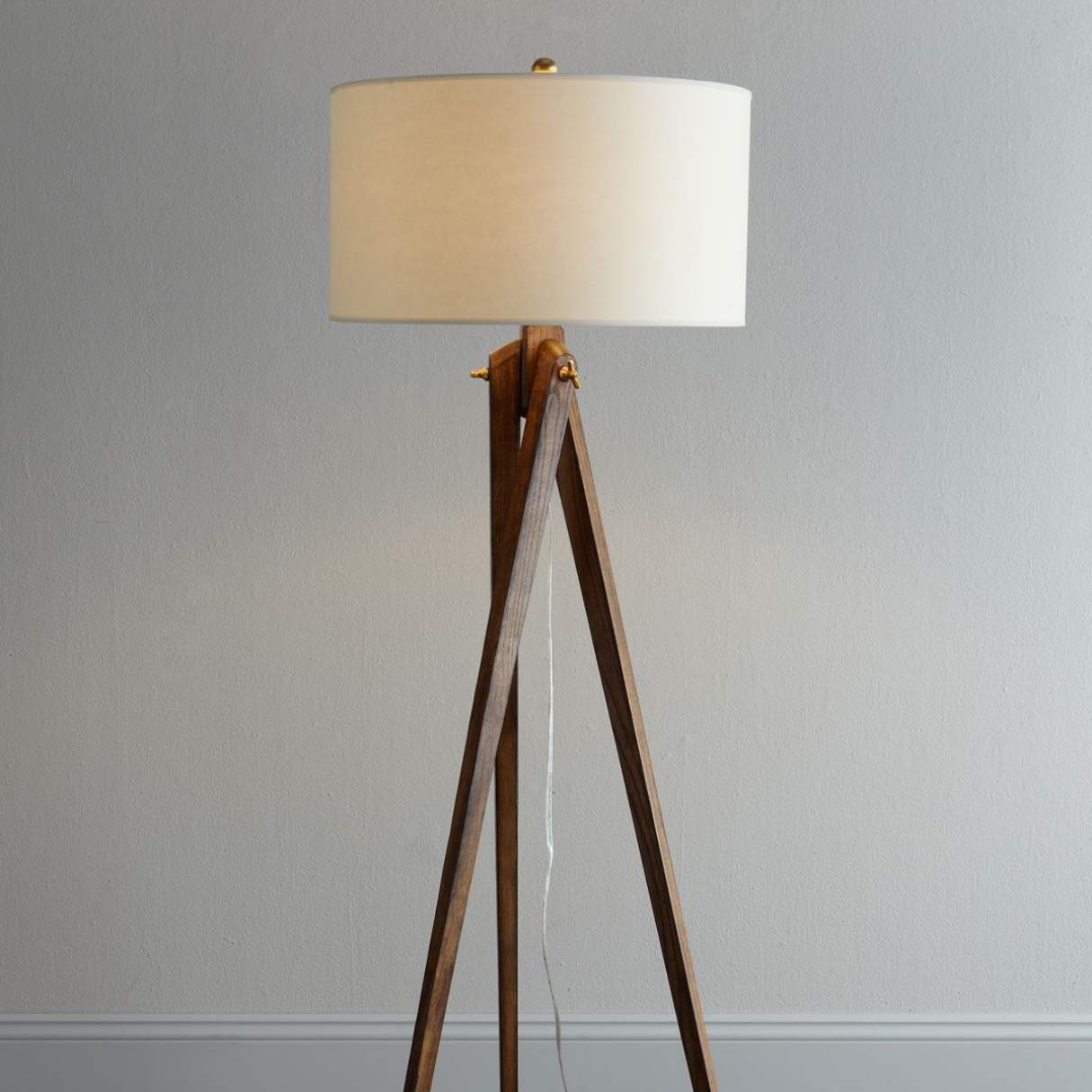
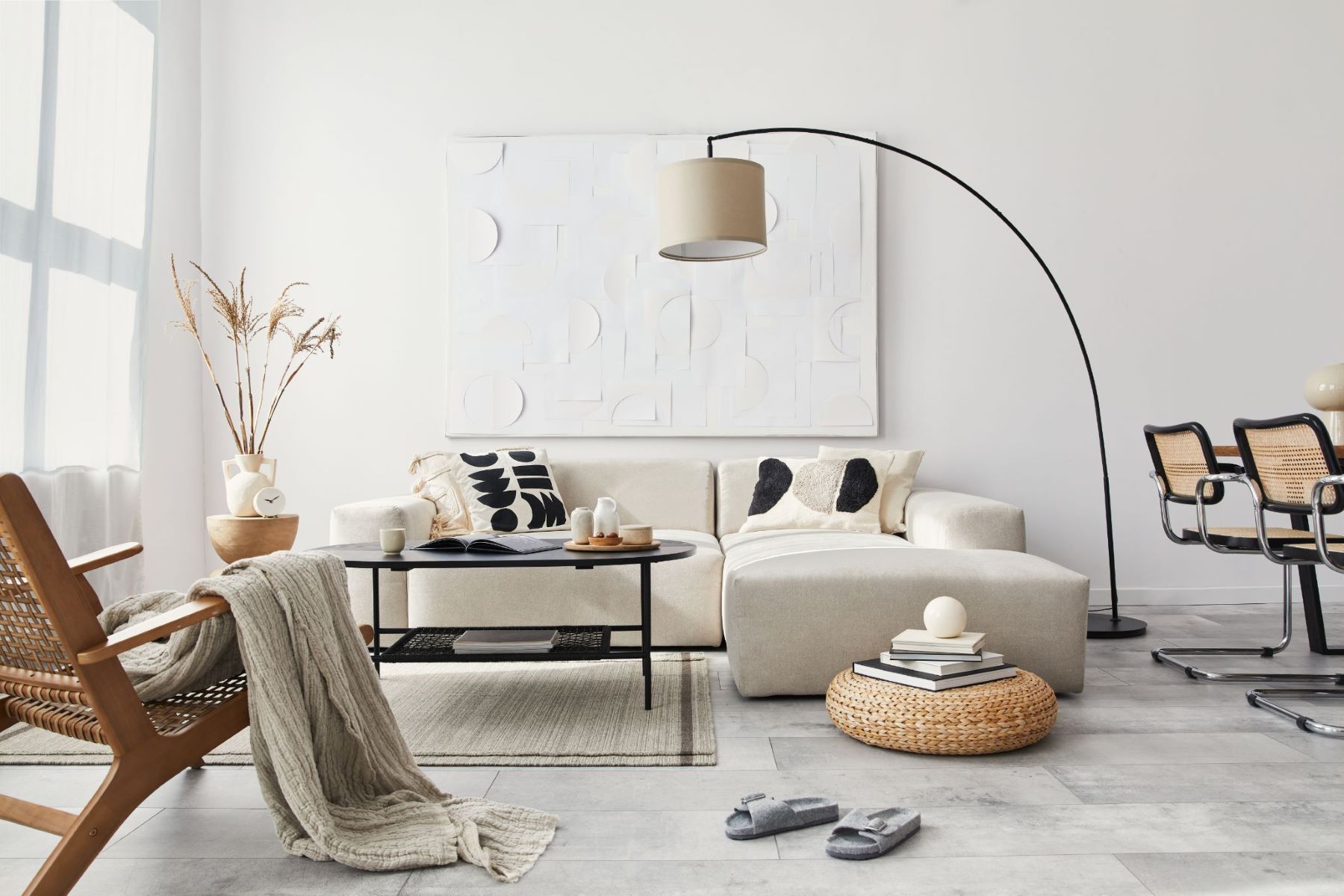
- Floor Lamps: Floor lamps are versatile and can provide both task and ambient lighting. They come in a range of styles and sizes, including tripod lamps, arc lamps, and torchiere lamps. Floor lamps are ideal for illuminating larger areas of the living room or serving as a statement piece. They can be placed behind sofas, in corners, or beside seating areas for targeted lighting.
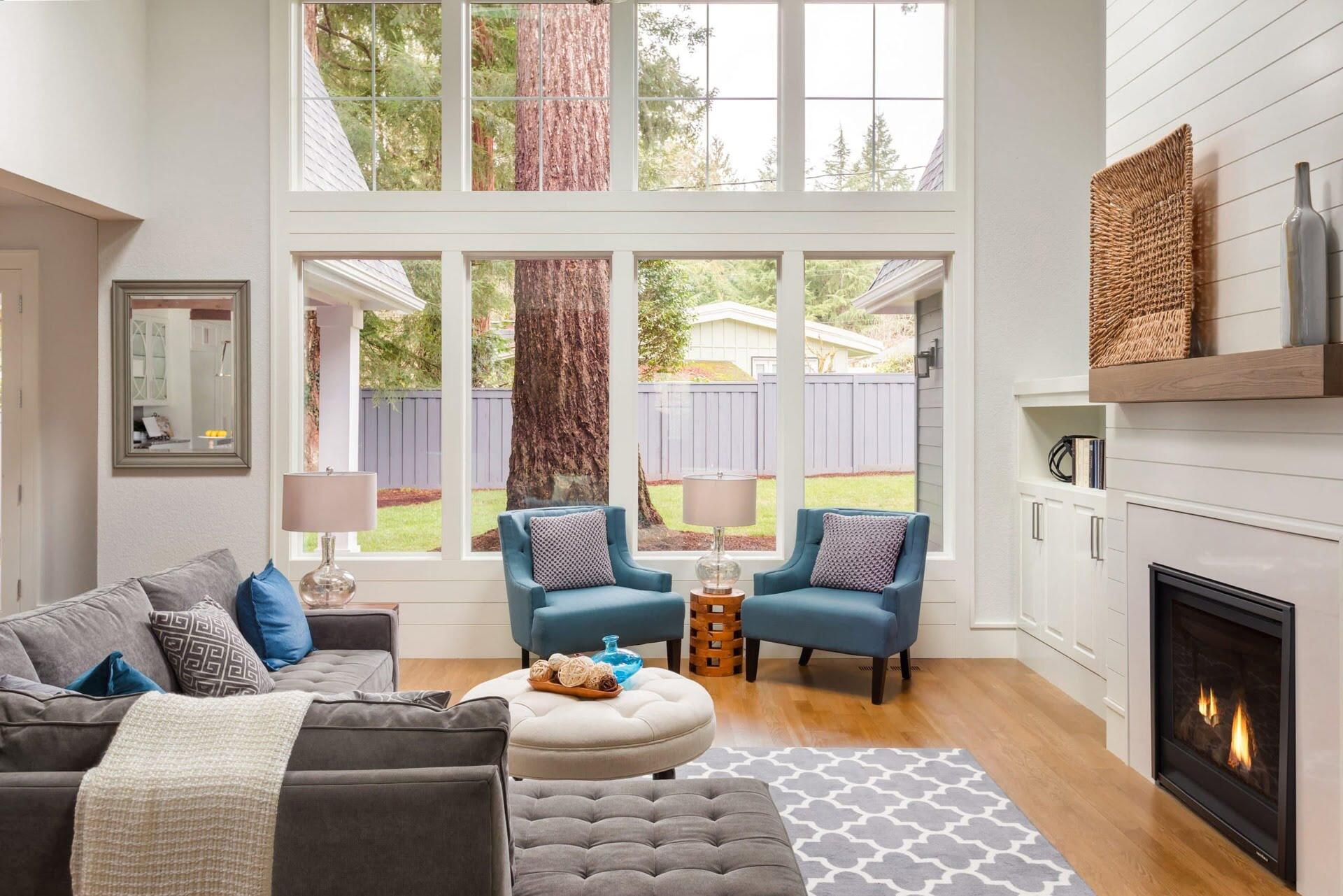
- Table Lamps: Table lamps are classic choices for living rooms and come in a multitude of styles and sizes. They can be placed on side tables, console tables, or coffee tables to provide localized lighting for tasks or to create ambient illumination. Table lamps are available with a variety of shade materials and designs, allowing them to easily blend with any decor style.
- Wall Sconces: Wall sconces are mounted on the wall and can provide both functional and decorative lighting. They are perfect for adding accent lighting or creating a layered lighting scheme in your living room. Wall sconces come in various styles, including uplights and downlights, and can be installed above eye level to create a visually appealing effect on the walls.
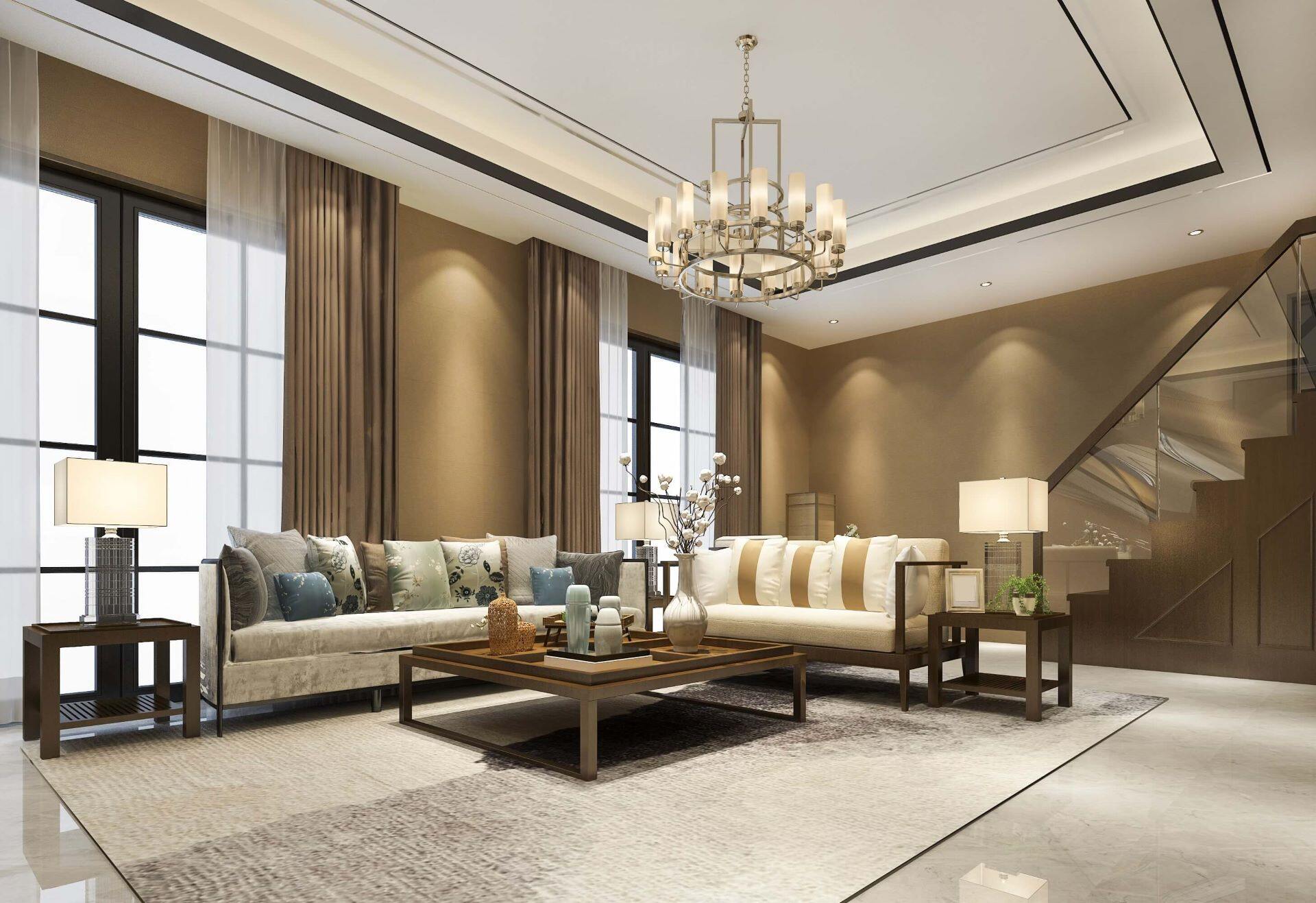
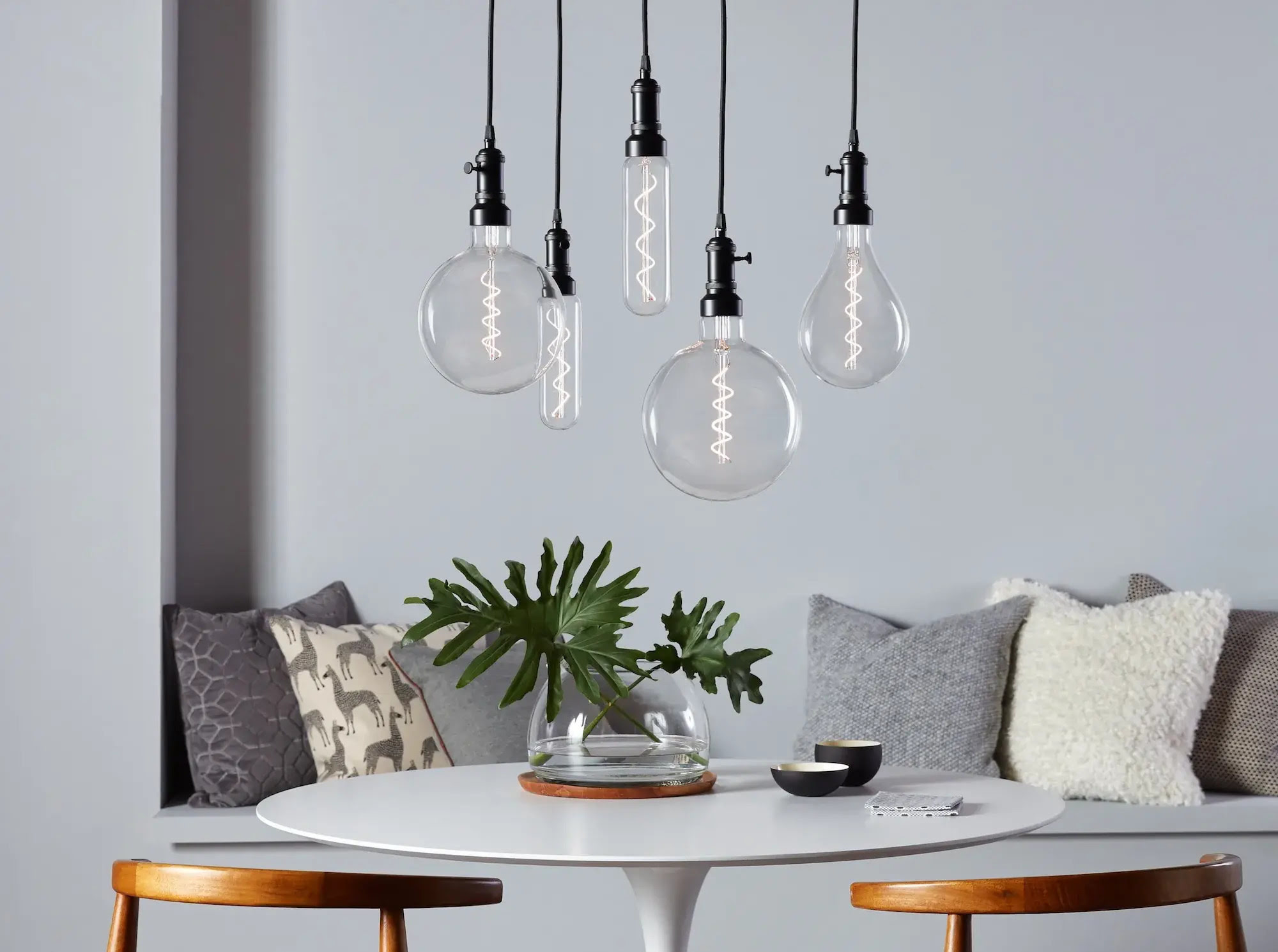
- Chandeliers or Pendant Lights: Chandeliers or pendant lights can make a stunning focal point in a living room. They are typically suspended from the ceiling and come in a range of sizes and styles. Chandeliers and pendant lights are perfect for illuminating larger living rooms or high-ceiling spaces. They add elegance and a touch of glamour to the room and can be dimmed for a cozy ambiance.
- Task Lamps: Task lamps are designed to provide focused lighting for specific activities such as reading, working, or crafting. They typically feature an adjustable arm or shade that can be directed to the desired area. Task lamps can be placed on desks, side tables, or end tables to provide targeted lighting while adding functionality to your living room.
When selecting lamps for your living room, consider a combination of these types to create a layered and well-balanced lighting design. Mix and match different lamp styles to add visual interest and cater to different lighting needs within the space. By selecting lamps that align with your decor style and functional requirements, you can enhance the overall ambiance and functionality of your living room.
Read more: How To Choose A Lamp For Living Room
Floor Lamps
Floor lamps are versatile lighting fixtures that are well-suited for living rooms. They offer both functionality and style, serving as a practical lighting solution and a decorative element. Here are some key features and benefits of floor lamps:
- Flexible Placement: One of the advantages of floor lamps is their ability to be placed in various locations throughout the living room. They can be positioned behind sofas or next to armchairs to provide task lighting or used in corners to fill an area with ambient light. The flexibility in placement allows you to customize the lighting arrangement to suit your specific needs.
- Illuminating Larger Spaces: Floor lamps are particularly useful in illuminating larger living rooms. With their increased height and light output, they can effectively fill up space and provide adequate lighting for the entire area. Floor lamps with adjustable heads or multiple bulbs offer the added benefit of directing light to specific spots or creating a more diffuse glow.
- Creating Visual Interest: Floor lamps come in a variety of styles, finishes, and designs, making them an excellent way to add visual interest to your living room. They can act as statement pieces or complement the existing decor. Whether you prefer a sleek modern floor lamp, an industrial-inspired design, or a classic Tiffany-style lamp, there are options available to match any style or theme.
- Task and Ambient Lighting: Another advantage of floor lamps is their ability to provide both task and ambient lighting. By choosing a floor lamp with an adjustable arm or multiple brightness settings, you can customize the amount of light based on specific activities or moods. Floor lamps with fabric or frosted glass shades can help diffuse the light, creating a soft and inviting ambiance in the room.
- Efficient Use of Space: Floor lamps are a great lighting option if you have limited space or prefer to keep your surfaces free from clutter. Unlike table lamps, which require tabletop space, floor lamps can stand on their own, saving valuable surface area. This makes them ideal for small or minimalist living rooms where every inch counts.
When selecting a floor lamp, consider the height and weight of the lamp to ensure it is proportionate to the room and furniture. Choose a lamp that complements the overall decor style and color scheme of the living room. Additionally, consider the bulb wattage and the type of lighting it provides – warm white for a cozy ambiance or daylight for more functional tasks.
By incorporating floor lamps into your living room, you can achieve an optimal lighting scheme that combines functionality and aesthetics. Whether you need focused task lighting for reading or a gentle glow to create a warm ambiance, floor lamps offer versatility and style to enhance your living room experience.
Table Lamps
Table lamps are a popular choice for living rooms, offering both practical lighting and decorative accents. They provide versatile and localized illumination, making them ideal for various activities and settings. Here are some key features and benefits of table lamps:
- Localized Lighting: One of the primary advantages of table lamps is their ability to provide focused, localized lighting. Placed on side tables, console tables, or coffee tables, they offer targeted illumination for activities such as reading, working, or providing a soft glow during conversation. They create a warm and intimate atmosphere in your living room.
- Decorative Elements: Table lamps are not just functional lighting fixtures; they also serve as decorative elements in your living room. With a wide range of styles, shapes, and designs, you can find table lamps that complement your decor and add visual interest. Choose from sleek and modern designs, vintage-inspired lamps, or sculptural pieces that become an eye-catching feature in the room.
- Customizable Lighting: Table lamps offer flexibility in terms of lighting options. You can choose from various shade materials, including fabric, glass, or metal, to diffuse or direct the light. Additionally, you can select lamps with adjustable arms or dimmable features, allowing you to tailor the lighting to desired brightness levels and create different moods in your living room.
- Space-Saving Solutions: Table lamps are ideal for living rooms where space is limited. They utilize vertical space rather than occupying tabletop surface area, allowing you to keep your coffee tables clutter-free. This makes them especially suitable for smaller living rooms or rooms with minimalist design aesthetics.
- Balancing Design: By selecting table lamps that match the style and scale of your furniture, you can create a harmonious balance in your living room. Consider the height of the lamp in relation to the surrounding furniture to ensure it is proportionate. Additionally, the lampshade color and material should complement the overall color palette and theme of the room.
When choosing table lamps, consider the purpose of the lamp and its intended location. For reading or task lighting, opt for lamps with adjustable arms or directional heads. If you’re looking for ambient or decorative lighting, choose lamps with diffused shades or interesting designs. Experiment with lamp placement to achieve the desired lighting effect and consider using multiple table lamps throughout the room for a cohesive lighting design.
Table lamps not only provide functional lighting but also enhance the overall aesthetic appeal of your living room. They offer design versatility, allowing you to personalize your space while providing the right amount of light where it’s needed most. With their combination of functionality and style, table lamps are a perfect lighting choice for any living room.
Wall Sconces
Wall sconces are stylish and functional lighting fixtures that can elevate the design of your living room. Mounted on the walls, they provide both task lighting and ambient illumination, making them a versatile choice for various living room setups. Here are some key features and benefits of wall sconces:
- Space-Saving Solution: Wall sconces are excellent space-saving lighting options as they don’t take up any floor or surface space. They are a perfect choice for small living rooms or rooms with limited space, where every square foot is valuable. Wall sconces help keep the floor area free while adding vertical visual interest and illumination.
- Layered Lighting: Wall sconces contribute to a layered lighting design, adding depth and dimension to your living room. They can be used in combination with other light sources such as overhead fixtures or table lamps to create different lighting levels. By strategically placing wall sconces, you can achieve a well-balanced illumination that complements the overall ambiance of the room.
- Focused Lighting: Wall sconces provide localized lighting, making them ideal for accentuating specific areas or objects in your living room. They can highlight artwork, bookshelves, or architectural features, adding a touch of drama and visual interest. Adjustable wall sconces allow you to direct the light exactly where you want it, creating a customized lighting effect.
- Ambient Glow: In addition to their task lighting capabilities, wall sconces can also create a soft ambient glow in your living room. They can be fitted with diffusing shades or frosted glass covers, casting a gentle, indirect light that complements the overall mood of the room. Enjoy a cozy and inviting atmosphere with strategically placed wall sconces.
- Style and Versatility: Wall sconces come in a wide range of styles, finishes, and designs, allowing you to find the perfect match for your living room decor. Whether your style is modern, rustic, industrial, or traditional, there are wall sconces available to suit your preferences. They can act as decorative accents that enhance the visual appeal of your walls even when the lights are turned off.
When installing wall sconces, consider their placement and the height at which they should be mounted. Generally, wall sconces are positioned at eye level or slightly higher for optimal illumination and visual impact. Additionally, ensure they are wired properly by a professional electrician to ensure safety and functionality.
Wall sconces not only provide practical lighting, but they also serve as decorative elements that enhance the overall aesthetics of your living room. They offer design versatility, space-saving benefits, and the opportunity to create a customized lighting scheme that enhances the ambiance and functionality of your space.
Chandeliers or Pendant Lights
Chandeliers and pendant lights are elegant and eye-catching lighting fixtures that can enhance the beauty and grandeur of your living room. Suspended from the ceiling, these lighting options create a statement piece that becomes a captivating focal point. Here are some key features and benefits of chandeliers and pendant lights:
- Dramatic Visual Impact: Chandeliers and pendant lights make a bold statement in your living room, instantly adding a touch of elegance and sophistication. They create a striking visual impact and become a centerpiece that draws attention and admiration. Whether you choose a sparkling crystal chandelier or a modern, minimalist pendant light, these lighting fixtures leave a lasting impression.
- Illuminating Larger Spaces: Chandeliers and pendant lights are ideal for larger living rooms or rooms with high ceilings. With their impressive size and multiple bulbs or light sources, they provide ample illumination to fill the space effectively. Pendant lights with adjustable height options allow you to adjust the lighting focus according to your needs.
- Ambient and Focused Lighting: Chandeliers and pendant lights offer both ambient and focused lighting. The overall design of the fixture contributes to the ambient lighting, casting a warm and inviting glow throughout the room. Additionally, pendant lights with adjustable arms or multiple light sources can offer focused lighting for specific areas within your living room.
- Style and Versatility: Chandeliers and pendant lights come in a wide array of styles, designs, and materials, making them versatile options that suit various decor themes. You can choose from contemporary, traditional, or vintage styles, or even explore unique and artistic designs to match your personal taste. Select a chandelier or pendant light that complements the overall decor style and color palette of your living room.
- Dimmable Option: Many chandeliers and pendant lights offer dimmable capabilities, allowing you to adjust the brightness according to different moods or occasions. This flexibility enables you to create the desired ambiance in your living room, whether you prefer a soft, romantic glow or a brighter, well-lit setting for entertaining guests.
When installing chandeliers or pendant lights, consider the height at which they should be hung to ensure they don’t obstruct views or hang too low. Proper wiring and installation by a professional electrician are essential for safety and functionality.
Chandeliers and pendant lights are not only functional lighting fixtures but also stunning works of art that elevate the overall aesthetic of your living room. They provide a captivating visual element that enhances the ambiance and creates a luxurious and inviting space for you and your guests to enjoy.
Read more: Where To Put A Lamp In Living Room
Tips for Choosing the Right Lamps for a Living Room
When it comes to selecting lamps for your living room, there are several factors to consider to ensure you choose the right ones that meet both your practical and aesthetic needs. Here are some tips to help you make the right choice:
- Consider the Room Size: Determine the size of your living room to gauge the number and size of lamps needed. Smaller rooms may require fewer lamps, while larger rooms may benefit from multiple lamps to provide adequate light coverage.
- Define the Purpose: Identify the main activities that will take place in your living room. Will it be primarily used for relaxation, entertaining, or work? This will help determine the type and placement of lamps needed to support those activities.
- Match the Decor: Consider your living room’s decor style and choose lamps that complement the existing aesthetic. From modern to traditional, there are lamps available in various styles, finishes, and colors to blend seamlessly with your decor scheme.
- Layer the Lighting: Create a well-balanced lighting design by incorporating a mix of ambient, task, and accent lighting. Use a combination of overhead fixtures, floor lamps, table lamps, and wall sconces to achieve optimal lighting levels throughout the room.
- Balance Style and Function: Look for lamps that strike a balance between style and functionality. While the aesthetics are important, ensure the lamps provide adequate lighting for your needs. Consider adjustable lamp heads, dimmable features, or different lighting modes to customize the light output.
- Consider Scale and Proportion: Pay attention to the scale and proportion of the lamps in relation to your furniture and living room layout. A too-small lamp may get lost, while an oversized lamp can overpower the space. Choose lamps that are proportionate to your furniture and create visual harmony.
- Think About Bulb Type and Wattage: Consider the type of bulbs your lamps will use, such as LED, incandescent, or CFL, and the wattage required for the desired lighting output. Opt for energy-efficient bulbs to reduce energy consumption and ensure proper lighting for your living room.
- Test Lighting Effects: Before purchasing lamps, experiment with different lighting effects in your living room. Use temporary lighting sources like portable lamps or even smartphone flashlights to see how varying light levels and directions can transform the space.
- Seek Inspiration: Look for inspiration in magazines, online platforms, or interior design websites to get ideas for lamp styles, placements, and lighting arrangements. Take note of designs you resonate with and consider how they can be applied to your living room.
- Budget Considerations: Set a budget for your lamp purchases to guide your decision-making process. There are lamps available in a wide range of price points, so it’s essential to find a balance between quality and affordability that aligns with your budget.
By considering these tips, you can choose the right lamps that fulfill your lighting needs while enhancing the overall aesthetic of your living room. Remember to create a well-lit and inviting space that suits your lifestyle and personal taste, creating an ambiance where you and your guests feel comfortable and inspired.
Proper Placement of Lamps in a Living Room
The proper placement of lamps in your living room is crucial to create an optimal lighting scheme that is functional and visually appealing. By strategically positioning your lamps, you can ensure adequate illumination for different activities and enhance the overall ambiance of the space. Here are some guidelines for the proper placement of lamps:
- Avoid Dark Corners: Identify areas in your living room that tend to be darker or lack natural light. Place floor lamps or table lamps in these spots to fill the space with light and eliminate any shadows or dark corners.
- Balance Lighting: Aim for a balanced distribution of lighting throughout the room. Avoid having all the lamps concentrated in one area while leaving other areas poorly lit. Distribute the lamps evenly to provide uniform illumination and create a visually pleasing environment.
- Task Lighting: Position lamps near areas where specific tasks or activities take place. For example, place a table lamp with an adjustable arm on a side table next to the sofa for reading, or position a desk lamp near a workspace for focused lighting during work or study sessions.
- Accent Lighting: Use lamps to highlight specific elements in your living room, such as artwork, decorative pieces, or architectural details. Wall sconces or picture lights can be mounted to draw attention to a particular wall or artwork, adding visual interest and depth to the room.
- Avoid Glare: Take care when positioning lamps to avoid direct glare. Ensure that the light is not shining directly into people’s eyes or reflecting off reflective surfaces. Adjust the lamp position or use shades and diffusers to control the direction and intensity of the light for a comfortable viewing experience.
- Layered Lighting: Create a layered lighting effect by combining different types of lamps. Use a combination of floor lamps, table lamps, and wall sconces to provide different levels of lighting. This will add depth and dimension to your living room, allowing you to adjust the lighting scheme to suit different occasions and moods.
- Consider Proportions: Consider the proportions of your lamps in relation to the surrounding furniture and the scale of the living room. Avoid using lamps that are too large or too small for the space, as they can disrupt the visual harmony. Choose lamps that are proportionate to the furniture and the size of the room for a balanced and cohesive look.
- Experiment and Adjust: Don’t be afraid to experiment with different lamp placements to find the optimal arrangement. Assess the lighting effects and make adjustments as needed. Move lamps around to different areas of the room to determine the most effective and visually pleasing positions.
Remember, the placement of lamps in your living room should be based on both functionality and aesthetic considerations. By following these guidelines and adjusting the lamp placement as necessary, you can create a well-lit and inviting living room that suits your needs and enhances the overall ambiance of the space.
Conclusion
Choosing the right lamps for your living room is essential for creating a well-lit and visually appealing space. By considering factors such as the size of the room, its purpose and functionality, the decor and style, natural lighting, furniture arrangement, and the different types of lamps available, you can make informed decisions that enhance the overall ambiance and functionality of your living room.
Lamps play a crucial role in providing both functional and decorative lighting. They contribute to the overall aesthetic of the room, create focal points, and offer versatility in terms of lighting options. Whether you opt for floor lamps, table lamps, wall sconces, or chandeliers/pendant lights, each type brings its unique characteristics and benefits to the living room.
When choosing lamps, it’s important to strike a balance between style and functionality. Consider the decor style of your living room and select lamps that complement or enhance it. Additionally, keep in mind the size of the room, the purpose of the space, and the desired lighting effects. By layering different types of lighting and placing lamps strategically, you can achieve a well-balanced and visually pleasing lighting design.
Remember to consider the proportions and scale of the lamps in relation to your furniture and living room layout. Proper placement of lamps plays a significant role in ensuring adequate illumination, avoiding glare, and creating a harmonious visual balance in the space. Experiment with different lamp positions and adjust as necessary to achieve the desired lighting effects.
Ultimately, the right lamps will transform your living room into a cozy and inviting haven. They will provide the necessary illumination for various activities, enhance the visual appeal of the space, and create a comfortable and pleasant atmosphere. By carefully considering all the factors and following the tips outlined in this article, you can select and place the perfect lamps that will elevate your living room to new heights.
Frequently Asked Questions about How Many Lamps Should Be In A Living Room
Was this page helpful?
At Storables.com, we guarantee accurate and reliable information. Our content, validated by Expert Board Contributors, is crafted following stringent Editorial Policies. We're committed to providing you with well-researched, expert-backed insights for all your informational needs.

0 thoughts on “How Many Lamps Should Be In A Living Room”