Flammable Vapor Ignition Resistant (FVIR) Water Heaters

The next gas hot water heater you buy will be a bit different than the one you have now, both in safety and, as with all "improvements", cost. That's because all tank-type gas water heaters with inputs of 75,000 BTU or less, manufactured after July 1st 2005 are being equipped with a safety device designed to prevent flashback fires. Models incorporating the new design feature are commonly referred to as Flammable Vapor Ignition Resistant (FVIR) water heaters.

According to the Consumer Product Safety Commission, a flashback fire occurs when vapors from a flammable liquid such as gasoline come in contact with an appliance's burner or pilot light and the vapors ignite. The commission estimates that there are 800 residential flashback fires a year in the United States, resulting in five deaths and 130 injuries.

How does an FVIR water heater work?

The technology prevents such fires by trapping and burning dangerous gas vapors inside the heater while preventing ignition of the vapors in the room.  The new water heaters incorporate new technology that helps accomplish the requirements of the new ANSI Standard. This technology consists of:

  • A device to prevent ignited vapors from passing out of the combustion chamber
  • A one way intake system to control the movement of makeup air into the combustion chamber
  • An inner door and burner assembly to create a sealed junction with the combustion chamber, preventing combustion air and flammable vapors from entering the chamber through the front of the water heater

While all manufacturers differ slightly in design and how to accomplish the desired outcome, they all have the same basic FVIR features in common. The Gas Appliance Manufacturers Association says the heaters are designed to keep burning vapors inside the combustion chamber until they burn out. The heaters also are designed to shut down automatically if they become clogged with dust and lint.

A flame arrestor, typically made of stainless steel, at the base of the heater prevents flammable vapors from igniting outside the heater's internal combustion chamber. The chamber is sealed so that the arrestor is the only way for combustive air to enter the unit. Should flammable vapors get through, they burn off harmlessly on the arrestor's surface.

If the heater becomes clogged with lint, dust or oil, a combustion temperature sensor will shut down the unit.

The new voluntary heater-technology standard was approved in two parts, the safety commission said. The first requirement, for flammable vapors ignition resistance, was approved in February 2000. The second requirement, for the heater to resist lint, dust and oil accumulation, was approved in November. The final standard, incorporating both parts, became effective July 1st. An industry research and development group came up with the technology to meet the requirements. Power-vented 30-, 40- and 50-gallon models will follow suit by July 1, 2004, the manufacturers' association said, and remaining models -- those with larger volumes and water heaters for manufactured homes -- will do so by July 1, 2005.

Depending on the model, the new technology will increase the price of gas-fired water heaters by up to 50 to 60%. For example, A.O. Smith, a major manufacturer of tank hot water heaters, has already introduced the technology, and it will raise the price of its basic 40-gallon model from about $410 to $485. Prices may differ among manufacturers and in different areas of the country, according to plumbers interviewed.

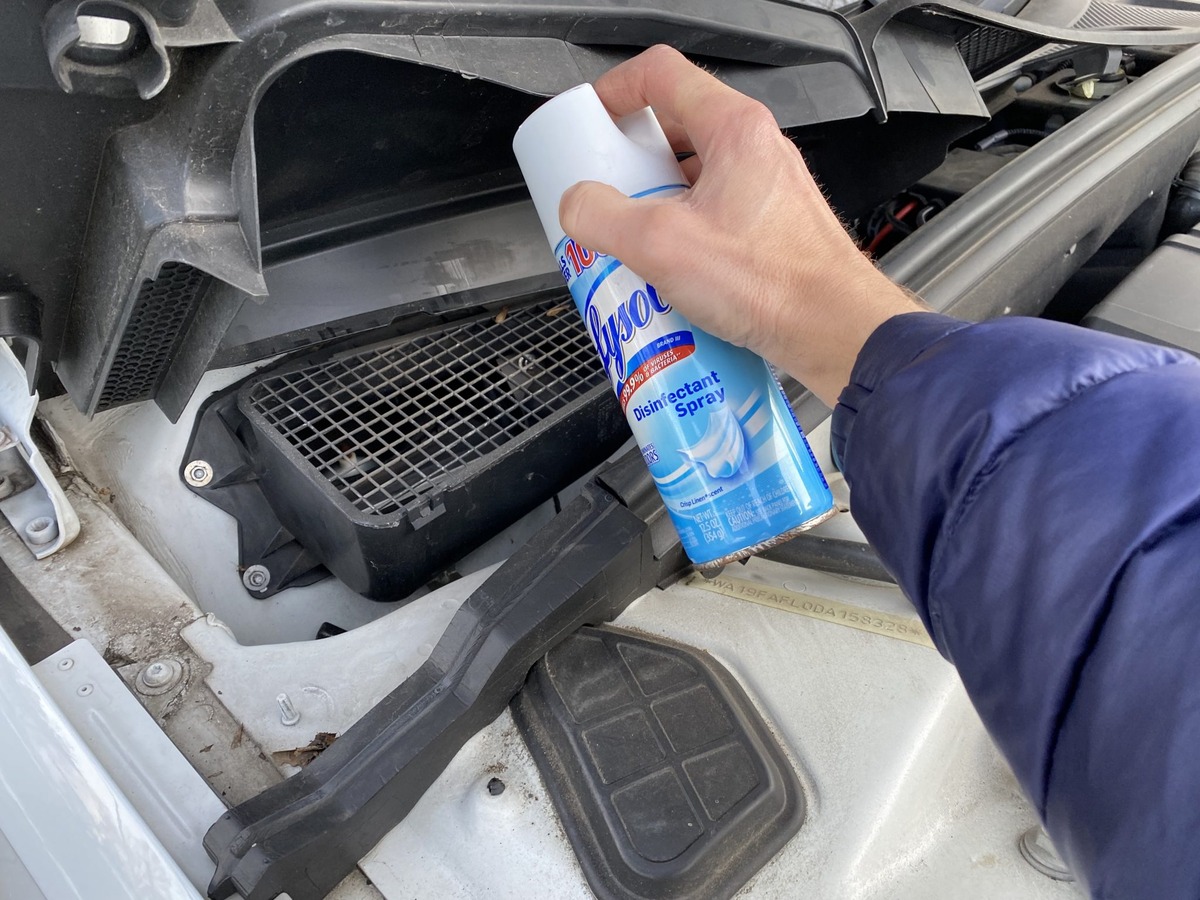
The water-heater standard follows another voluntary industry standard that calls for child-resistant packaging for gasoline cans, according to the safety commission. FVIR water heaters are no substitute for common sense. Never store flammable liquids or other combustible materials near any gas-fired appliance. Cleaning solvents, aerosols, paint thinner and vapor from gasoline can ignite if they come in contact with an open flame from a candle, match or pilot light.

You are not required to replace your existing gas-fired water heater with an FVIR model. But when you do need to replace it, only FVIR models will be available. Unlike with low-flow toilets, you will not be able to go to Canada to get a non-FVIR water heater. Implementation of the FVIR heaters in Canada will lag only six months behind ours. Existing models cannot be converted to FVIR.

More information is available from the appliance manufacturer, and from the Consumer Product Safety Commission at 1-800-638-2772.


Buyer's Choice Home Inspection 1735 Audubon Trail Lutz, FL 33549
Phone: Fax:

Radon-Information | Staff-Profiles | Contact-Us | Roof Installation | During Roof Install | Tile Maintenance | Upgrading Electrical System | Water Heater Problems | Weatherstripping | Whole House Fans | Wood Rot | Home - Maintenance | Inspection Process | Roofs | Plumbing | Electrical | Fireplace Maintenance | Fireplaces | Dishwasher Problems | Kitchen and Baths | How Electricity Works | Inspection-Tour | Question | Power Outage | Florida Wind Map - Old | Appliance Tips | Carbon Monoxide FAQ | HUD News | CPSC News | Old House WEB | Money Pit | Do It Yourself | Hurricane Information | Storm Prediction Center | Tampa Bay Weather | Link to Us | Entrapment Hazards | Wiring Sizes | Child Safety Tips | For Agents & Brokers | Plumbing Materials | Hurricane Shields | Environmental-Issues | Compare Estimates | Mold | Mfg Homes | Repair Cost Guide | Resources | Lead | Pressure Treated Wood | Plumbing Fundamentals | Lightning Protection | Service Wires | Roof-Siding-Deck-Window | Custom Home Builder News | Home Construction News | Home Building News | Residential Architect News | FVIR Water Heaters | Prepare for Thunderstorms | Perils in Florida | Seller's Checklist | Safety Checklist | Wild Life Control | After the Inspection | Home Maintenance | Senior Safety Tips | Biological Pollutants | Inspection-Guide | Home Safety Tips | Drowning Prevention | Fences FAQ | Resources Links | Tips Inspecting Roof | Styles of Roofs | Roof Slope | Inside Roof Inspection | Outside Roof Inspection | Cool Metal Roof | Site-Directory | Occupational Safety News | Household & Consumer News | Tampa Bay News | JLC Online | Mr. Fix-It Tips | Spas, Hot-Tubs | Florida Wind Map - New | Wind Map - Hillsborough | Wind Map - Pinellas | Avoiding Wind Damage | FL Bldg Code Changes | Home Interiors | Lightning | Pre-purchase Checklist | Plumbing & HVAC News | Defects Defined | Dryer Vent Safety | Well & Septic Systems | Electric Terminology | Inspector Resources | Home Clinic | How Your House Works | Home Improvement | Finding Contractors | FPE Panels | GFCI Outlets | Rewire Old Homes | Surge Protection | Pool Sanitizers | Home Construction | Trusted Broker's Blog | Door Locks Basics | Dryrot Issues | Plumbing FAQ | Moving Tips | Septic Maintenance | Septic Problems | Roofing Terms | Attic Ventilation | Roof Concerns by Type | Hiring Contractors | Polybutylene | Environment | Roof Ventilation | Other States | Florida | Garage Door Safety | Tap Water Scalds | Building Topics | Thermal Windows | Thermostats | Garage Fire Safety | History of Building Codes | Home Emergencies | Home Lighting | Preventive Maintenance | Home Security | Child Proof Home | Chimney Maintenance | Clean Water Supply | Concrete Slab Maintenance | Deck Maintenance | Health & Safety | HVAC | Homeowner Resources | Technical Resources | New Construction Inspections | 1yr Warranty Inspection | 4-Point Insurance Inspection | Other Types Services | 7-Keys to Find Inspector | Ungrounded Outlets | Simpson Strong-Ties | Construction-Terms | Home Journal | Home Improvement Watch | Discovery Technology | Real Estate News | Electrical News | Construction News | We Are Independent | Roofing Basics | Hurricane | Flood | Thunderstorm | Water Heater Ages | Indoor Air Quality | Masonry Fireplaces | Mold FAQ | On Demand Water Heaters | Overloading Electrical Circuits | Plumbing Systems | Pool Heaters | House to Code? | Automatic Fire Sprinklers | Other Inspectors | ASHI Home Inspections - FAQ | Small Home Repairs | Solar Heating | 13 SEER Systems | Other Inspectors 2 | AC Maintenance Tips | Air Filters | Pool Safety | Energy Conservation | Child Safety | Electricity Basics | Energy Star Ratings | Prevent Mildew | Radon Testing & Removal | Rain Gutters | Reading Blue Prints | Remodeling Process | Efficency Ratings | Construction & Building News | Safety Barriers | Landscape and Gardening | Coastal Construction | This Old House | Construction.com | Ask The Builder | Build Your Own Home | Building News | Design & Construction | Housing Zone | Builder - Constructor | Homeowner Resource Site | Do It Yourself Project Videos | Home Improvement Tips | Client-Login | Home-Buyer-Checklist | Download Adobe Acrobat | Tell-a-Friend | Real-Estate-News | FAQ | Real-Estate-Terms | Home | Site Map | Mortgage Calculators | Our-Service-Area | Common Defects | Inspector-Services | Inspection-vs-Appraisal | Inspector-vs-Engineer | New-Home-Inspection | Purchase-Inspection | Septic-Inspection | The Home Inspection | Listing-Inspection | Request Info | Truss-uplift | Maintaining Wells | Mold-in-the-Home | Types-of-wells | Well Inspections | Our-Technology | How-to-prepare | Investment Homes | ASHI-Membership | ASHI-Code-of-Ethics | Choosing an Inspector | HVAC-Issues | Geo-Soils Report | Roofing-Issues | Hidden-Water-Damage | Plumbing-Issues | Termites and Other Pests | Asbestos-Information | Mfg-vs-ModularHomes

Copyright © 2008 Buyer's Choice Home Inspection
Portions Copyright © 2008 a la mode, inc.
Another XSite by a la mode, inc. | Terms of UseSite Map