Appliance Installation and Safety Tips


When installing electrical appliances, keep in mind that most standard home electrical circuits are on a 120-volt line. Conventional outlets have two places to plug in devices and are called duplex outlets.

It's also important to note the quality level of your appliance's) because the labor cost for installing more expensive equipment will be higher than for less expensive appliance's). Appliance installation and safety tips:

Appliance Power Requirements

Check the power requirements of each appliance. To run major appliances and heavy electrical equipment, you need 220-volt current in the house. And unless your clothes dryer runs on gas, it will require a 220-volt outlet to operate, so it's necessary to upgrade to 220 to handle these and other heavy equipment.

Appliance Installation

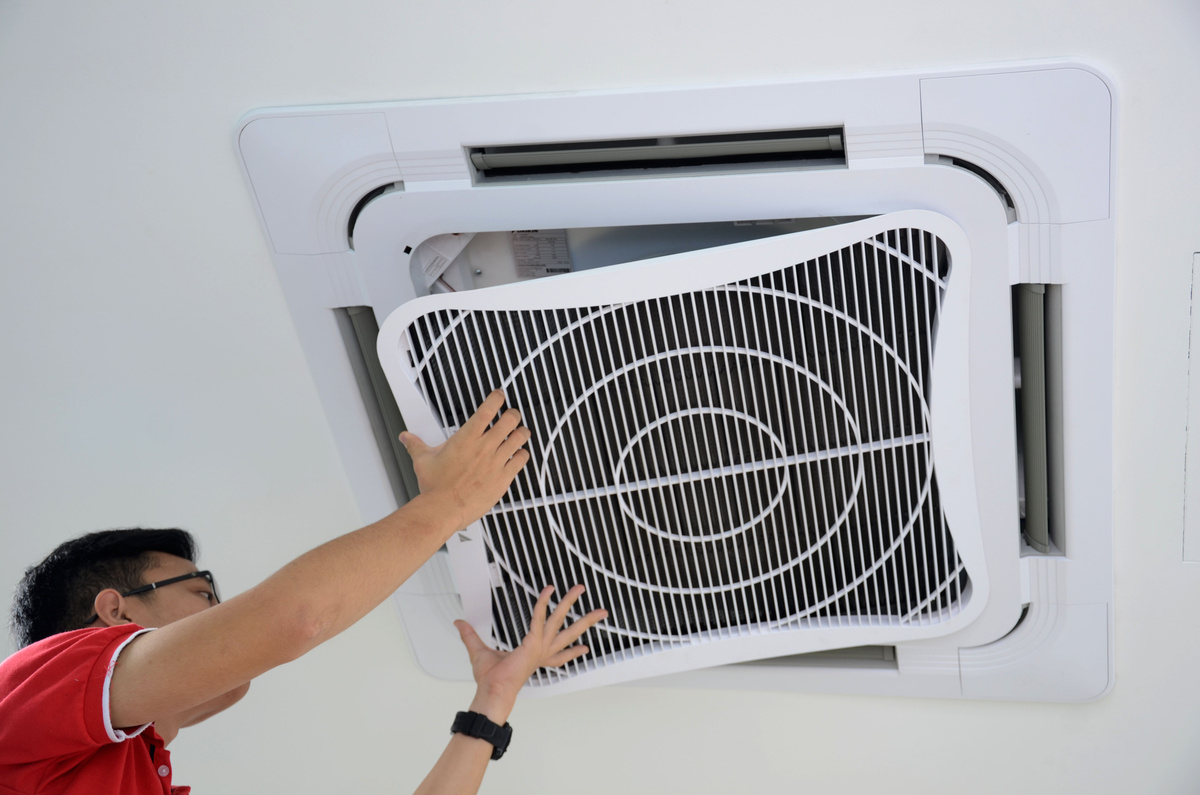
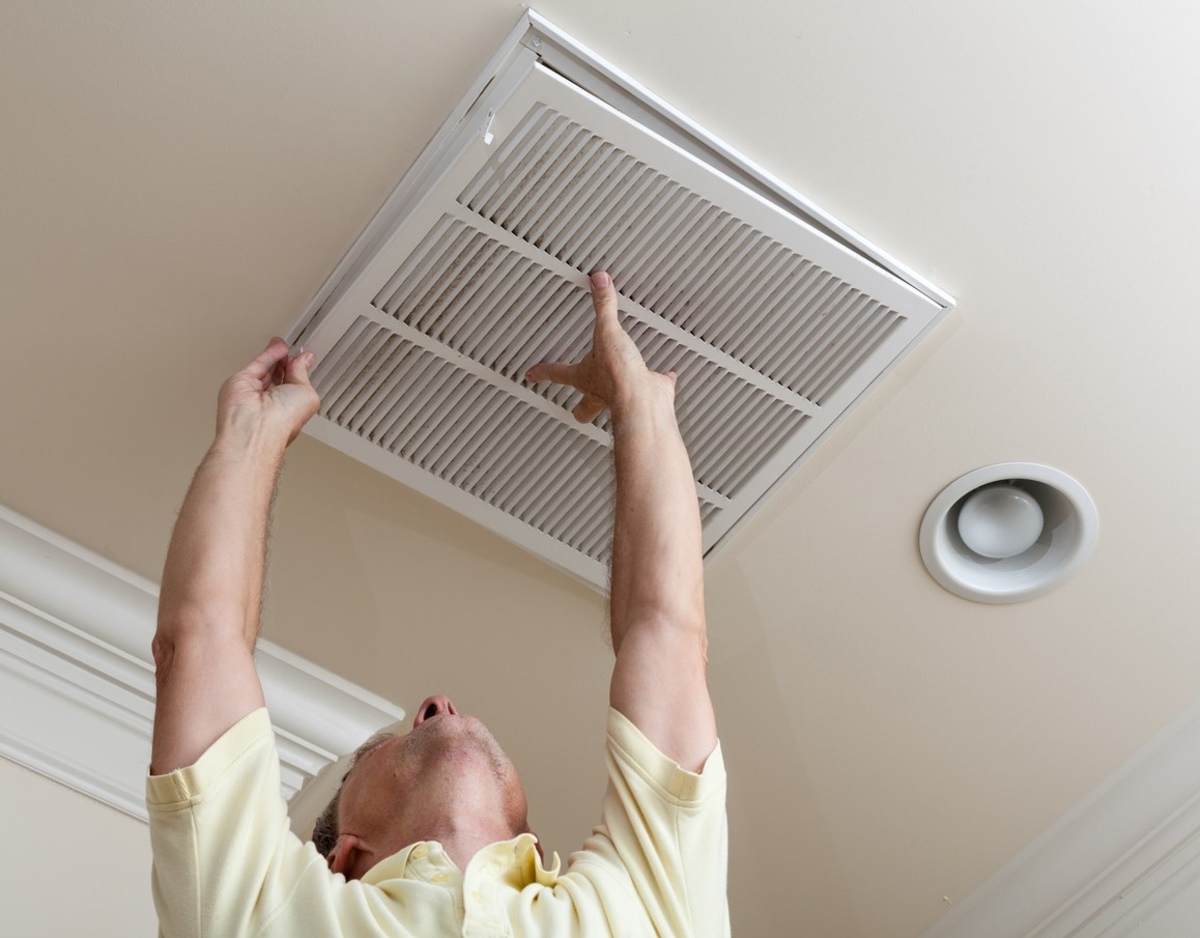
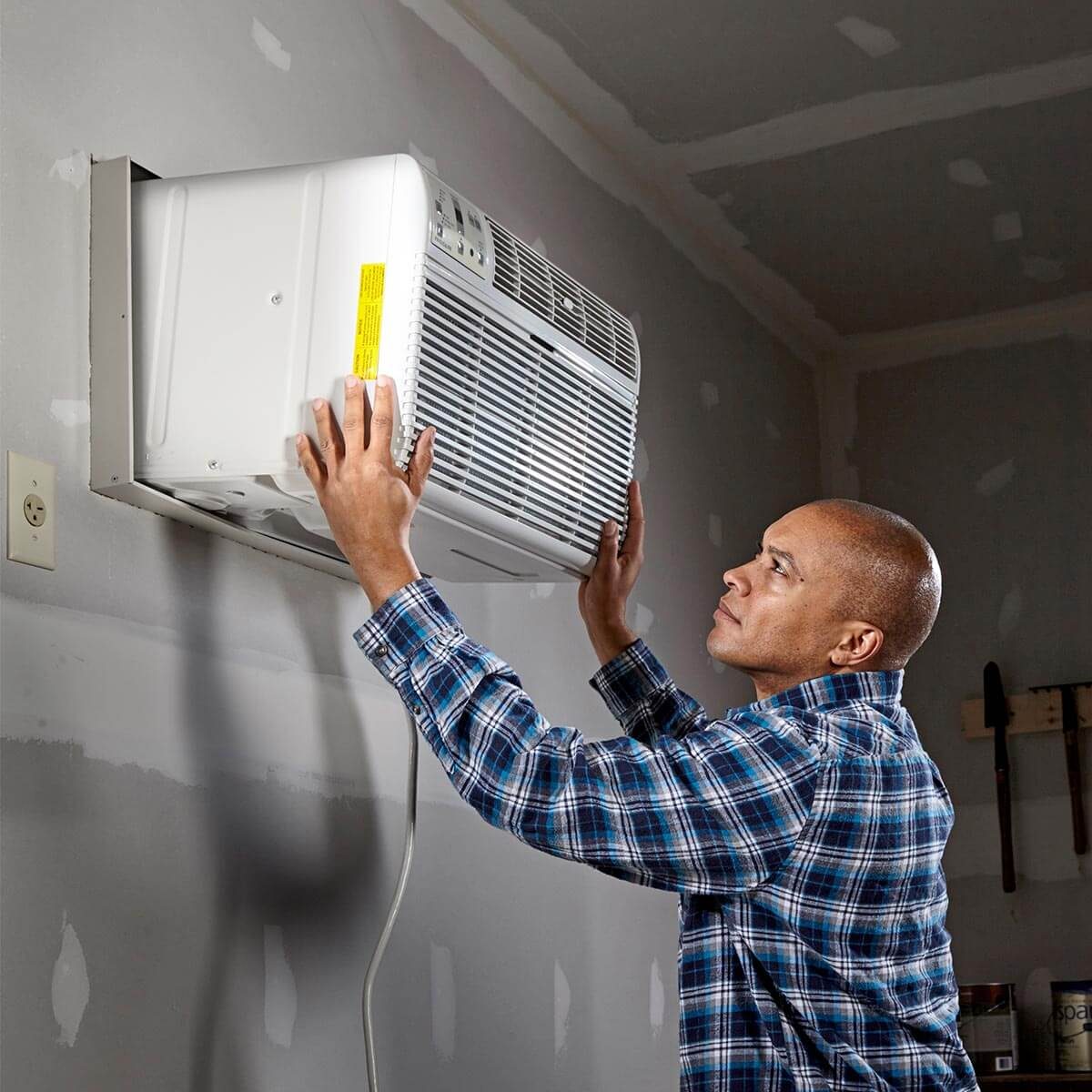
When having an appliance installed be sure it can be removed easily for service. Flexible hook-ups for dishwashers and gas ranges can make repair jobs less labor intensive. Also, leave extra electric cable when installing electric wall ovens and cooktops. This will minimize the time the technician spends on the job and reduce the cost to you.

Some other appliance installation tips to keep in mind:

Dishwashers
If your kitchen floor is being tiled, make sure that it is tiled beneath the dishwasher or at least raise its flooring to the same height as the tiles. Once down, there may not be enough clearance to remove the dishwasher for servicing. The only alternative will be to lift the whole countertop off of the cupboards, a needless expense.

Wall Ovens
If you are installing a wall oven below countertop level, be aware that small children could be exposed to a burn hazard. Wall ovens do not have to conform to the same temperature standards that regular ranges do. This is because they are designed to be installed above counter height.

Washing Machines
When installing a washing machine, be sure water shut-offs can be reached easily. Also ensure the water hoses are long enough to remove the appliance when necessary. A floor drain may also be necessary should the water pump or motor fail.

Washing machines are designed to be used on solid flooring, like concrete. If it is being installed on a wooden floor, extra joist bracing may be needed. The mounting of an additional plywood section can also strengthen an existing wooden floor. Severe internal suspension damage can occur if used on unstable flooring.

Refrigerators
Refrigerators with forced air condensers are the only kind that can be built in. Models with regular static condensers will not be able to dissipate the heat if used in this application. This will result in poor cooling efficiency and damage to the compressor. You can tell forced air models by the fan, located in the compressor compartment, used to circulate air through the condense.

While major appliances make our lives much easier, they also pose significant risks if not maintained properly.

The average homeowner has several thousand dollars invested in major appliances. To protect your investment and ensure many years of reliable service out of each it's important to properly maintain your appliances.

Appliance Safety Tips

Extension Cords
Extension cords pose several risks. First, the extension cord connections may not be secure. Besides causing power fluctuations that may damage the equipment, poor connections can also result in sparks that could start a fire.

Another problem with the appliance connections is that they are vulnerable to water penetration. This is especially true in damp areas such as laundry rooms, bathrooms, kitchens, garages and outdoors. Water and electricity are a dangerous combination responsible for many avoidable deaths each year.

People often make the mistake of using extension cords that are too small. The wires on extension cords are rated according to size, with lower ratings corresponding to larger sizes. A simple household extension cord for a lamp might have 16-gauge wire. An outdoor cord may have 14-gauge wire. Heavy-duty cords are usually 12-gauge.

In general, in those circumstances where use of an extension cord is unavoidable, employ one that is heavier than the wires already attached to the appliance.

Also, whenever using power tools or similar equipment on long extension cords, be aware that the longer the cord the more power that is lost en route. This phenomenon, called voltage drop, is much less pronounced in heavier wires. Whenever you use an inadequate cord, you run the risk of damaging the appliance or causing the wires to overheat and become a fire hazard.

When extension cords, appliance wires and outlets are incompatible, people often use adapters to make things fit. Most commonly, people have a three-prong plug and a two-prong outlet. The third prong is the ground, and it offers important safety advantages. A much better long-run solution is to have an electrician replace your 2-prong outlets with properly grounded three-prong outlets.

Heavy-duty appliances have plug configurations that are unique. Never use an adapter to fit these into more standard outlets.

Circuit Breakers and Fuses

Older homes have fuse boxes while most new ones have circuit breakers. Both perform the same function. Whenever a short circuit or overload situation occurs, the device shuts off electricity to that circuit, preventing both shocks and fire hazards.

Whenever an appliance stops working, first test the outlet with a lamp or radio. If the circuit is dead, turn off anything you know to be on the same circuit and go to your electrical box, usually located in the basement. If you have a circuit breaker, look for the one switch that is slightly out of alignment. Turn it off and turn it back on again. If you have a fuse box, replace the burnt-out fuse.

If you try the appliance again and the circuit cuts off a second time, you may be overloading that circuit. Try the appliance in another part of the house. If it keeps causing circuits to cut off, something is wrong with the appliance. It may, for instance, have a short.

Pilot Lights

Many older gas appliances (ranges, dryers, water heaters, furnaces, etc.) have pilot lights that run continuously. Newer models have electronic ignition instead.

When an older appliance stops working, check to see if the pilot light has gone out. If it has, re-light it according to the instructions in the manual, which came with the unit or are printed on the appliance itself. In many cases, this will save you the cost of a repair call.

Because pilot lights maintain a flame at all times, they are always ready to ignite any flammable gases that might be present. This is why you should never store paints, solvents and other chemicals anywhere near an appliance with a pilot light.

There was a problem returning the RSS feed.
Appliances:
 
Central heating problems
10/12/2006 11:00 PM
Central heating problems Cold top section of radiator This is usually an indication that air has got into the system somewhere and has become trapped. Air in a radiator will rise to the top forming a pocket stopping the hot water from getting to that part. This can be released, but remember to turn the heating off first. Now, armed with a rag ...Read More
 
Sizing a Gas Furnace and Central Air Conditioner for Your Home
3/6/2008 11:00 PM
We want to be clear on sizing " we don’t care what size furnace you currently have because almost all gas furnaces are considerably oversized. Oversized furnaces use more fuel, reduce home comfort and wear out faster than properly sized furnaces. Why, because they cycle too often - they’re constantly going on and off. This cycling increases stress ...Read More
 
A Look At The Different Types Of Heat Exchangers
6/1/2006 11:00 PM
The Heat Exchanger is a device built for efficient transferring of heat energy from one fluid to another across a solid surface. In a heat exchanger design both the convection and conduction principle of heat transfer is used. There is no radiative transfer of heat energy between the exchanger and the environment unless the exchanger is uninsulated...Read More
 
Convection vs. Conventional Ovens... What's The Difference?
5/7/2006 11:00 PM
If you are in the market for a new oven and you?ve already begun shopping for one, you?ve probably noticed that there are a few different types. Two of the most popular oven types are conventional and convection, and many newer ovens have the option of cooking food in either fashion depending on the set mode. The difference in these two types of ov...Read More
 
Window Air Conditioners - How To Reduce The Noise Level
6/3/2006 11:00 PM
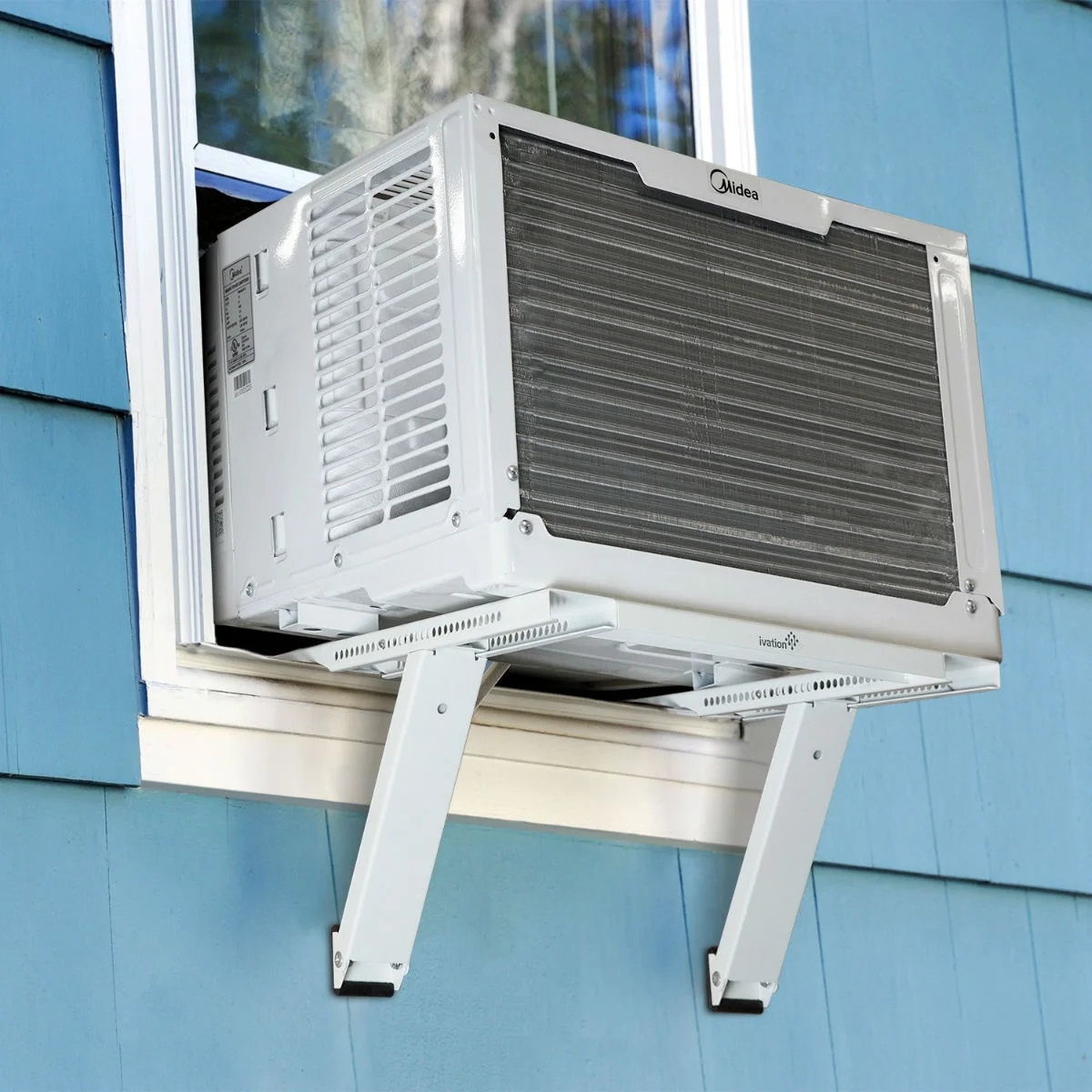
Perhaps the most widely used air conditioners are the window air conditioners. They are quite popular for heating and cooling in both domestic and commercial premises. The basic advantage of a window air conditioner is that unlike the central air conditioners and the split air conditioners, it fits well in the window giving a good look and it does ...Read More
 
Goodman Heat Pump
4/11/2008 11:00 PM
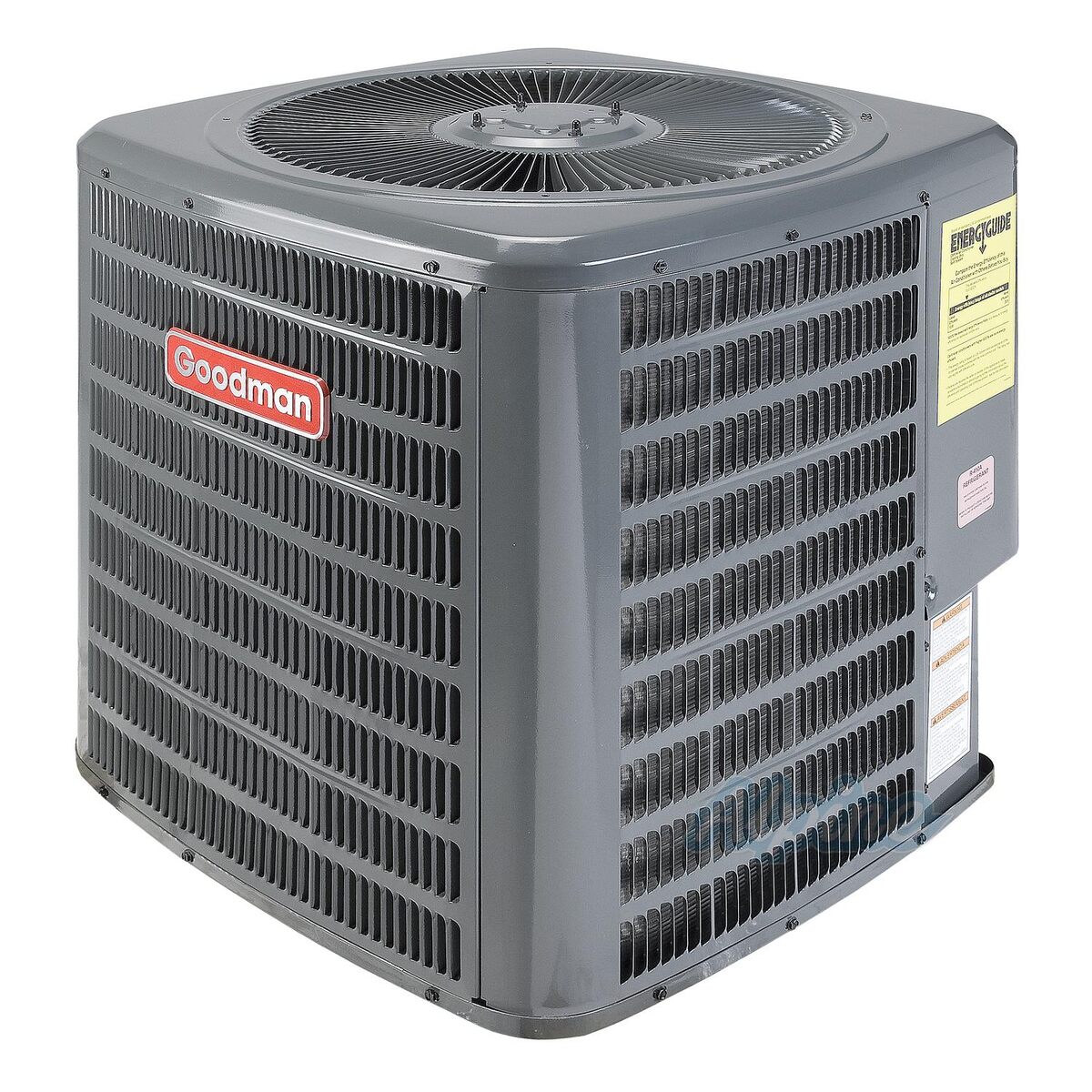
With Goodman’s heat furnace, one can expect year round heating comfort. Goodman brings to you a prime leader in the world of appliances redefining the world of goodman heat pump and even consumer appliances for that matter. Not only do they provide heating facilities, certain models designed specifically; accommodate cooling facilities as well and ...Read More
 
Eliminate Mildew Buildup in your Coffee Maker
5/1/2007 11:00 PM
Your coffee maker should be made part of your regular kitchen cleaning routine. Dried coffee oils, hard water buildup, and mildew will ruin the taste of even the best blend. Not to mention that mildew buildup inside the maker is hazardous to your health. The good news is that cleaning your coffee maker is a simple, painless task, that takes no...Read More
 
Discount Toasters
4/1/2007 11:00 PM
Have you ever imagined over the morning breakfast that the toast you really enjoy comes from a toaster which seems a lesser complex device but indeed a small box of wonders. An electric toaster is not very much a complex machine, but there's more going on in that little slotted box then you probably think of. The basic principle of bread getting in...Read More
 
The benefits of using a Hoover carpet cleaning machine
10/23/2006 11:00 PM
There are many different machines on the market to keep your rugs clean and looking new, and a Hoover carpet cleaning machine can be useful in maintaining older carpets and keeping them looking like they were just installed. Most carpet cleaners offer a single inverted “V” extractor to remove water from carpets. This configuration focuses the po...Read More
 
Portable carpet cleaning equipment benefits
10/23/2006 11:00 PM
Whether a small area of carpet or a huge commercial rug, portable carpet cleaning equipment comes in a variety of sizes and uses to fit your needs. Whether it is a spotter machine for small areas or one with a capacity of several gallons of cleaners, there’s one to tackle the job. The keyword in portable carpet cleaning equipment is portable. Th...Read More


Buyer's Choice Home Inspection 1735 Audubon Trail Lutz, FL 33549
Phone: Fax:

Radon-Information | Staff-Profiles | Contact-Us | Mold | Mfg Homes | Repair Cost Guide | Resources | Lead | Pressure Treated Wood | Plumbing Fundamentals | Lightning Protection | Service Wires | Roof-Siding-Deck-Window | Custom Home Builder News | Home Construction News | Home Building News | Residential Architect News | FVIR Water Heaters | Prepare for Thunderstorms | Perils in Florida | Seller's Checklist | Safety Checklist | Wild Life Control | After the Inspection | Home Maintenance | Senior Safety Tips | Biological Pollutants | Inspection-Guide | Home Safety Tips | Drowning Prevention | Fences FAQ | Resources Links | Tips Inspecting Roof | Styles of Roofs | Roof Slope | Inside Roof Inspection | Outside Roof Inspection | Cool Metal Roof | Site-Directory | Coastal Construction | This Old House | Construction.com | Ask The Builder | Build Your Own Home | Building News | Design & Construction | Housing Zone | Builder - Constructor | Homeowner Resource Site | Do It Yourself Project Videos | Home Improvement Tips | Occupational Safety News | Household & Consumer News | Tampa Bay News | JLC Online | Mr. Fix-It Tips | Spas, Hot-Tubs | Florida Wind Map - New | Wind Map - Hillsborough | Wind Map - Pinellas | Avoiding Wind Damage | FL Bldg Code Changes | Home Interiors | Lightning | Pre-purchase Checklist | Plumbing & HVAC News | Defects Defined | Dryer Vent Safety | Well & Septic Systems | Electric Terminology | Moving Tips | Septic Maintenance | Septic Problems | Roofing Terms | Attic Ventilation | Roof Concerns by Type | Hiring Contractors | Polybutylene | Environment | Roof Ventilation | Other States | Florida | Garage Door Safety | Tap Water Scalds | Building Topics | Thermal Windows | Thermostats | Garage Fire Safety | History of Building Codes | Home Emergencies | Home Lighting | Preventive Maintenance | Home Security | Child Proof Home | Chimney Maintenance | Clean Water Supply | Concrete Slab Maintenance | Deck Maintenance | Health & Safety | HVAC | Homeowner Resources | Technical Resources | New Construction Inspections | 1yr Warranty Inspection | 4-Point Insurance Inspection | Other Types Services | 7-Keys to Find Inspector | Ungrounded Outlets | Simpson Strong-Ties | Construction-Terms | Home Journal | Home Improvement Watch | Discovery Technology | Real Estate News | Electrical News | Construction News | We Are Independent | Roofing Basics | Hurricane | Flood | Thunderstorm | Water Heater Ages | Indoor Air Quality | Masonry Fireplaces | Mold FAQ | Inspector Resources | Home Clinic | How Your House Works | Home Improvement | Plumbing FAQ | FPE Panels | GFCI Outlets | Rewire Old Homes | Surge Protection | Pool Sanitizers | Home Construction | Trusted Broker's Blog | Door Locks Basics | Dryrot Issues | Finding Contractors | Prevent Mildew | Radon Testing & Removal | Rain Gutters | Reading Blue Prints | Remodeling Process | Efficency Ratings | Construction & Building News | Safety Barriers | Landscape and Gardening | Appliance Tips | Carbon Monoxide FAQ | HUD News | CPSC News | Old House WEB | Money Pit | Do It Yourself | Hurricane Information | Storm Prediction Center | Tampa Bay Weather | Link to Us | Entrapment Hazards | Wiring Sizes | Child Safety Tips | For Agents & Brokers | Plumbing Materials | Hurricane Shields | Environmental-Issues | Compare Estimates | On Demand Water Heaters | Overloading Electrical Circuits | Plumbing Systems | Pool Heaters | House to Code? | Automatic Fire Sprinklers | Electricity Basics | Energy Star Ratings | Roof Installation | During Roof Install | Tile Maintenance | Upgrading Electrical System | Water Heater Problems | Weatherstripping | Whole House Fans | Wood Rot | Home - Maintenance | Inspection Process | Roofs | Plumbing | Electrical | Fireplace Maintenance | Fireplaces | Dishwasher Problems | Kitchen and Baths | How Electricity Works | Power Outage | Florida Wind Map - Old | Inspection-Tour | Question | Other Inspectors | ASHI Home Inspections - FAQ | Small Home Repairs | Solar Heating | 13 SEER Systems | Other Inspectors 2 | AC Maintenance Tips | Air Filters | Pool Safety | Energy Conservation | Child Safety | Client-Login | Home-Buyer-Checklist | Download Adobe Acrobat | Tell-a-Friend | Real-Estate-News | FAQ | Real-Estate-Terms | Home | Site Map | Mortgage Calculators | Our-Service-Area | Common Defects | Inspector-Services | Inspection-vs-Appraisal | Inspector-vs-Engineer | New-Home-Inspection | Purchase-Inspection | Septic-Inspection | The Home Inspection | Listing-Inspection | Request Info | Truss-uplift | Maintaining Wells | Mold-in-the-Home | Types-of-wells | Well Inspections | Our-Technology | How-to-prepare | Investment Homes | ASHI-Membership | ASHI-Code-of-Ethics | Choosing an Inspector | HVAC-Issues | Geo-Soils Report | Roofing-Issues | Hidden-Water-Damage | Plumbing-Issues | Termites and Other Pests | Asbestos-Information | Mfg-vs-ModularHomes

Copyright © 2010 Buyer's Choice Home Inspection
Portions Copyright © 2010 a la mode, inc.
Another XSite by a la mode, inc. | Terms of UseSite Map